

Heating Repair in Baldwin Park, CA

Plum HVAC provides expert heating repair in Baldwin Park, CA, offering safe and lasting fixes for gas furnaces, electric furnaces, and heat pumps. We tackle common failure modes with a clear diagnostic approach, explaining expected parts and labor, and typical repair timelines, including emergency options. You'll always get upfront pricing, transparent warranties, and easy scheduling with Plum HVAC, along with preventive tips tailored to Baldwin Park’s climate. Homeowners learn exactly how our professionals isolate problems, communicate findings, and complete repairs promptly to restore comfort, safety, and energy efficiency to their homes.
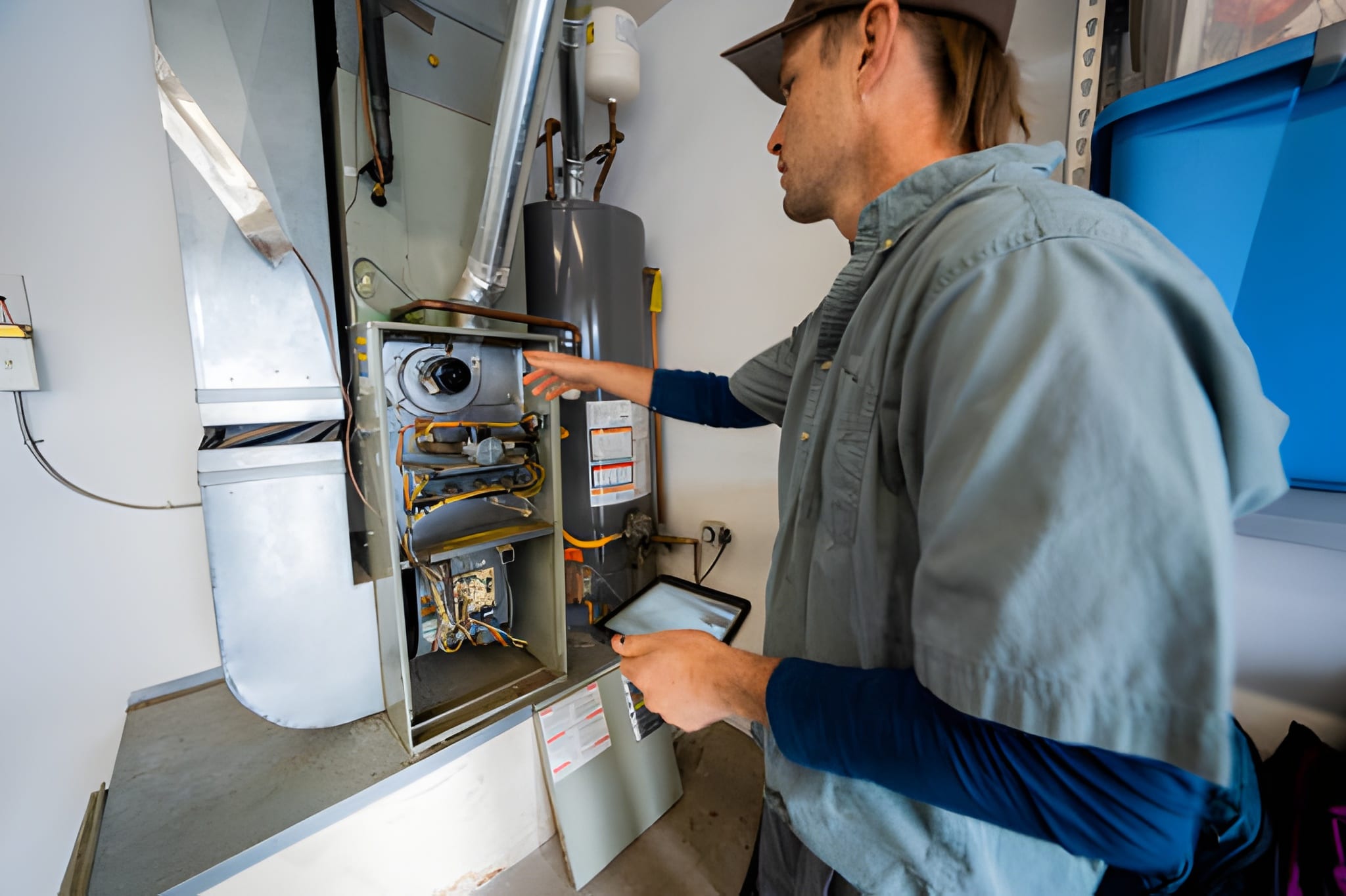
Heating Repair in Baldwin Park, CA
Heating repair in Baldwin Park, CA keeps homes comfortable and safe during the cooler months and chilly mornings common in the San Gabriel Valley. Whether your home uses a gas furnace, electric furnace, or heat pump, timely diagnosis and professional repair prevent system failure when you need heat most. This page explains common failure modes in Baldwin Park homes, the diagnostic approach a qualified technician uses, what to expect for parts and labor, typical repair timelines, emergency repair availability, transparent pricing practices, warranty details, and the ways scheduling is handled.
Why heating repair matters in Baldwin Park homes
Baldwin Park’s Mediterranean-influenced climate includes cool, damp mornings and colder evenings from late fall through early spring. Many homes here also experience seasonal dust and occasional smoke from regional wildfires, which increases strain on filters and blower systems. Older installations, gas furnaces, and increasingly common heat pumps each have their own failure patterns. Prompt heating repair reduces energy waste, lowers the risk of carbon monoxide exposure, restores comfort quickly, and extends equipment life.
Common heating failure modes
Most service calls in Baldwin Park involve one or more of these issues:
- Ignition and pilot problems: Intermittent or complete failure to ignite on gas furnaces, worn pilot assemblies, or faulty electronic igniters.
- Thermostat issues: Incorrect temperature readings, poor wiring, or incompatible thermostats that fail to call for heat.
- Blower and motor failures: Squealing, humming, no airflow, or intermittent blower operation caused by worn belts, failed bearings, bad capacitors, or motor failure.
- Airflow and duct issues: Clogged filters, blocked return vents, or leaks reducing heat distribution and causing short cycling.
- Heat exchanger and safety faults: Cracks or rust in the heat exchanger causing safety lockouts; any sign triggers an immediate safety response.
- Heat pump specific faults: Low refrigerant, compressor or reversing valve issues, or outdoor unit icing impacting heating performance.
- Control board and electrical problems: Faulty relays, burned connectors, tripped breakers, or wiring faults preventing operation.
Diagnostic process: how a technician isolates the problem
A careful diagnostic process ensures accurate repairs and prevents unnecessary parts replacement. Typical steps include:
- Safety checks: Verify carbon monoxide levels, inspect for gas leaks, confirm proper venting, and ensure power is isolated when required.
- System interview and history: Review recent symptoms, thermostat settings, past repairs, and any recent power or gas interruptions.
- Visual and hands-on inspection: Examine burners, igniters/pilot assembly, wiring, control board, blower assembly, filter condition, and duct connections.
- Operational testing: Run controlled cycles to observe ignition sequence, blower start-up, airflow, and temperature rise across the heat exchanger or heat pump pressures.
- Component testing: Use meters to check voltages, continuity, capacitor health, and refrigerant pressures for heat pumps.
- Safety component verification: Check limit switches, pressure switches, and flue integrity; if a heat exchanger concern exists, follow protocol for additional testing.
After diagnostics, a written, itemized estimate describes recommended repairs, replacement parts, labor steps, and any safety concerns that require immediate attention.
Parts and labor: what the repair process looks like
Repairs are handled methodically to restore safe, efficient operation:
- Parts selection: Repairs use OEM or equivalent parts appropriate for the unit and local code. Replacement options are discussed in the estimate so homeowners understand part origin and expected durability.
- Labor procedures: Labor includes removal of faulty components, installation of replacements, electrical reconnections, system calibration, safety testing, and cleanup. For gas work and major replacements, licensed technicians follow local building and gas code requirements.
- Documentation: Technicians provide a detailed job summary describing parts replaced, tests performed, and any recommendations for future maintenance.
Typical repair timelines
Repair duration depends on the fault and part availability:
- Minor repairs and adjustments (thermostat recalibration, filter replacement, capacitor change, blower motor brush replacement): often completed within 1 to 3 hours.
- Typical component replacements (igniter, pilot assembly, control board, fan motor): commonly resolved in a single visit when parts are in stock, 2 to 6 hours.
- Heat pump refrigerant work or compressor replacements: may require same-day or next-day service depending on refrigerant handling and parts sourcing.
- Major repairs or full system replacement: usually scheduled over 1 to 3 business days and may involve permit approvals for extensive gas or ductwork.
These timelines reflect common field experience in Baldwin Park where part availability and seasonal demand can affect scheduling.
Emergency repair availability and safety response
Emergency repair services are available for urgent situations that affect safety or basic livability, such as loss of heat during cold snaps, suspected gas leaks, or confirmed carbon monoxide alarms. Emergency response protocols prioritize safety diagnostics, temporary measures to secure the property, and expedited scheduling of needed repairs. For heat pumps, freezing outdoor conditions or electrical hazards also trigger prioritized service.
Upfront pricing practices
Transparent pricing is a key part of professional heating repair. Best practices include:
- Written, itemized estimates before work begins listing parts, labor, diagnostic fees, and any necessary safety repairs.
- Clear explanation of options when multiple repair paths exist, including trade-offs between repair and replacement.
- No hidden fees and documentation of any changes in scope after work begins, with approval required for additional charges.
This approach provides homeowners in Baldwin Park with clear expectations before any work is performed.
Warranty on repairs
Repairs are typically backed by a written warranty that covers both parts and labor. Parts warranties are governed by manufacturer terms; labor warranties are provided by the service provider and may vary by repair type. For safety-critical components like heat exchangers, testing and documentation accompany any work to ensure compliance with safety standards. Homeowners receive warranty details in writing as part of the job paperwork.
Scheduling service in Baldwin Park
Scheduling is offered through standard appointment channels with flexible time windows to fit homeowner availability. Options commonly include online appointment requests, email inquiries, and phone-based scheduling. Appointments include an expected arrival window, technician identification and certification details, and a clear outline of inspection procedures to help homeowners prepare.
Preventive tips for Baldwin Park homeowners
- Replace air filters regularly, especially during high-dust and wildfire smoke seasons.
- Schedule annual heating tune-ups before the cool season to catch wear before failures occur.
- Install carbon monoxide detectors near sleeping areas and test them monthly.
- Keep outdoor heat pump units free from debris and vegetation to ensure proper airflow.
Heating repair in Baldwin Park, CA focuses on safety, clear diagnostics, and lasting repairs tailored to local conditions. Understanding common failure modes, the diagnostic process, and what to expect for parts, labor, timing, pricing transparency, and warranty coverage helps homeowners make informed decisions when choosing repair solutions.
Customer
Testimonials
Our customers consistently praise the exceptional service and professionalism of our team. They appreciate the honest advice, meticulous work, and the care taken to ensure their satisfaction.

.webp)
Service Areas
