

Heating Repair in Anaheim, CA

For heating repair in Anaheim, CA, Plum HVAC offers a comprehensive, safety-driven approach to diagnosing and resolving common residential heating issues. We address typical problems like no heat, uneven heating, unusual noises, and ignition faults, walking you through our step-by-step diagnostics, expected timelines, and parts commonly replaced. We pride ourselves on having qualified, licensed technicians, strict safety practices, and clear warranties. Plum HVAC also provides practical maintenance tips to reduce future breakdowns, ultimately leading to extended system life, improved comfort, and fewer emergency repairs for Anaheim homes.
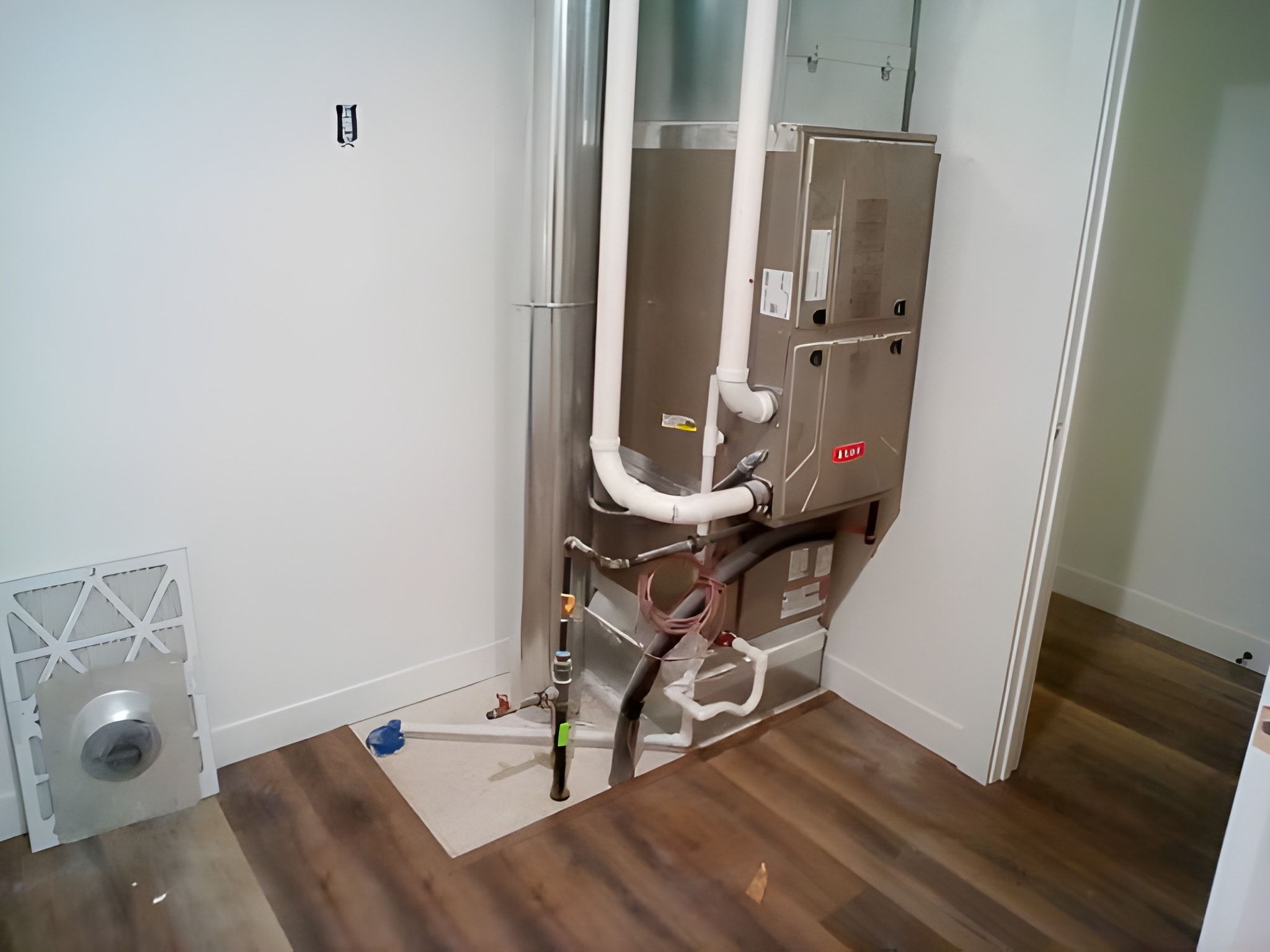
Heating Repair in Anaheim, CA
Reliable heating repair in Anaheim, CA keeps your home comfortable through chilly mornings and occasional cold snaps. Even though Southern California winters are mild, residential heating systems still fail from age, lack of maintenance, or mechanical faults. This page explains common heating problems in Anaheim homes, diagnostic steps, typical repairs and parts replacement, technician qualifications, expected timelines and warranties, and practical troubleshooting tips to reduce future breakdowns.
Why timely heating repair matters in Anaheim, CA
Anaheim’s coastal-influenced climate often means cool mornings and evenings rather than prolonged freezing conditions. That pattern can let small problems go unnoticed until you need heat. Systems that sit unused for months are prone to ignition, fuel and control issues when turned on for the first cold day. Prompt repair prevents minor faults from becoming safety risks, reduces energy waste, and restores reliable operation when you need it.
Common heating problems in Anaheim homes (symptoms and likely causes)
- No heat
- Possible causes: thermostat failure or misprogramming, gas supply interruption, failed ignition or pilot assembly, faulty control board, clogged air filter restricting airflow.
- Uneven heating or hot/cold rooms
- Possible causes: duct leaks or blockage, closed or malfunctioning zone dampers, underperforming blower motor, uneven insulation in walls or attics.
- Unusual noises (clanking, squealing, banging)
- Possible causes: loose or failing blower motor bearings, worn belts, expanding metal in ductwork, delayed ignition or combustion issues.
- Frequent cycling or short-cycling
- Possible causes: oversized equipment, clogged filters, improper thermostat placement, control board or limit switch faults.
- Ignition issues or repeated pilot outages
- Possible causes: dirty pilot assembly or burner, failing igniter, gas valve malfunction, blocked venting or combustion air restrictions.
- Odors or visible soot
- Possible causes: incomplete combustion from burner problems, cracked heat exchanger (safety concern), restricted venting.
How heating diagnostics are performed
Professional diagnostics follow a safety-first process and focus on pinpointing root causes quickly:
- Safety checks: verify carbon monoxide monitors, gas line integrity, and shutoff procedures before working.
- Visual inspection: examine burners, heat exchanger, pilot/igniter, wiring, thermostats and vents for obvious signs of damage.
- Electrical tests: check voltage, capacitors, motors and control board function.
- Combustion and venting analysis: inspect flue venting, exhaust paths, and burner combustion where applicable.
- Airflow and distribution checks: measure blower performance, filter condition, and inspect ducts for leaks or obstructions.
- System performance metrics: evaluate heat rise, cycling behavior, and thermostat calibration to compare against manufacturer specifications.
Diagnostics typically isolate failures so repairs address the underlying cause rather than just symptoms.
Typical repairs and parts replacement
Common repairs performed during heating service in Anaheim include:
- Thermostat repair or replacement and reprogramming for proper setpoints and schedules
- Igniter or pilot assembly replacement for reliable ignition
- Burner cleaning and adjustment to restore efficient combustion
- Blower motor repair or replacement, including bearings, belts and capacitors
- Control board replacement for electrical or timing faults
- Gas valve replacement and testing when fuel delivery is compromised
- Heat exchanger inspection and replacement when cracks or deterioration are found (critical safety repair)
- Duct sealing and repair to resolve uneven heating
- Condensate drain cleaning on high-efficiency systems to prevent shutdowns
Technicians will explain which parts are necessary based on diagnostics and prioritize safety-related repairs first.
Technician qualifications and safety standards
Quality heating repair in Anaheim should be performed by technicians who meet recognized industry standards:
- Licensed HVAC technicians and contractors (California C-20 or locally required licensing where applicable) for major repairs and installations
- Certification such as NATE or equivalent demonstrating technical competency
- EPA Section 608 certification for any refrigerant handling (if the work touches AC components)
- Training in gas appliance service and combustion safety, plus experience with common furnace brands
- Use of industry-standard safety procedures for gas leaks, carbon monoxide risk, and electrical hazards
Licensed, certified technicians document findings and follow local code requirements for safe, compliant repairs.
Typical repair timelines and factors that affect duration
Repair time depends on the issue and parts availability:
- Simple fixes (thermostat, filters, minor adjustments): 30 minutes to 2 hours
- Component replacements (igniter, blower motor, control board): half day to full day depending on access and part fitment
- Major repairs (heat exchanger replacement, extensive ductwork): 1 to 2 days or more, sometimes requiring permits and inspections
Factors that influence timelines: age and accessibility of equipment, the need to order specific parts, whether duct or venting work is required, and scheduling for permit inspections if applicable.
Warranty and reliability expectations
Industry-standard protections vary by part and service type:
- Manufacturer warranties typically cover specific components for set durations; these remain in effect when parts are replaced with OEM components.
- Service or labor warranties commonly cover repairs for a limited period after work is completed; typical terms vary by provider.
- Safety-critical repairs (for example heat exchanger or gas valve replacements) should include documented testing and a clear warranty on workmanship.
Always request documentation of warranty terms and verify that replacement parts are compatible with your system model.
Troubleshooting tips to prevent future breakdowns
- Schedule a preventive maintenance inspection each fall to catch issues before the heating season. Even in Anaheim, seasonal checks reduce the risk of first-use failures.
- Change air filters regularly; a clogged filter increases wear and can cause short-cycling.
- Keep vents and returns unobstructed and check for visible duct leaks or disconnected runs.
- Use a programmable thermostat sensibly to avoid unnecessary cycling while maintaining home comfort.
- Listen for new noises and note changes in performance; early detection keeps repairs smaller and less costly.
- Ensure carbon monoxide detectors are installed and tested regularly if you have gas-fired equipment.
- Maintain attic and wall insulation where practical to reduce load on the heating system.
Final notes on heating repair in Anaheim, CA
Heating repair in Anaheim focuses on restoring safe, efficient operation tailored to local climate patterns and housing stock. Whether the issue is no heat, uneven rooms, strange noises, or ignition failures, a structured diagnostic approach identifies root causes and guides durable repairs. Properly qualified technicians, routine maintenance, and attention to early warning signs will extend system life, improve comfort, and reduce expensive emergency repairs.
Customer
Testimonials
Our customers consistently praise the exceptional service and professionalism of our team. They appreciate the honest advice, meticulous work, and the care taken to ensure their satisfaction.

.webp)
Service Areas
