

Heating Maintenance in Anaheim, CA

Heating maintenance for Anaheim, CA homes provides proactive care to keep systems safe, efficient, and reliable during cooler nights. The program includes multi-point inspections, routine component servicing, filter management, and transparent reporting, with priority service for enrolled customers. It covers typical issues such as clogged filters, uneven heating, and noisy operation, and outlines detailed inspection steps, recommended repairs, and preventive measures. Enrollment offers tiered plans, scheduled visits, and ongoing support to reduce downtime, extend equipment life, and lower energy costs.
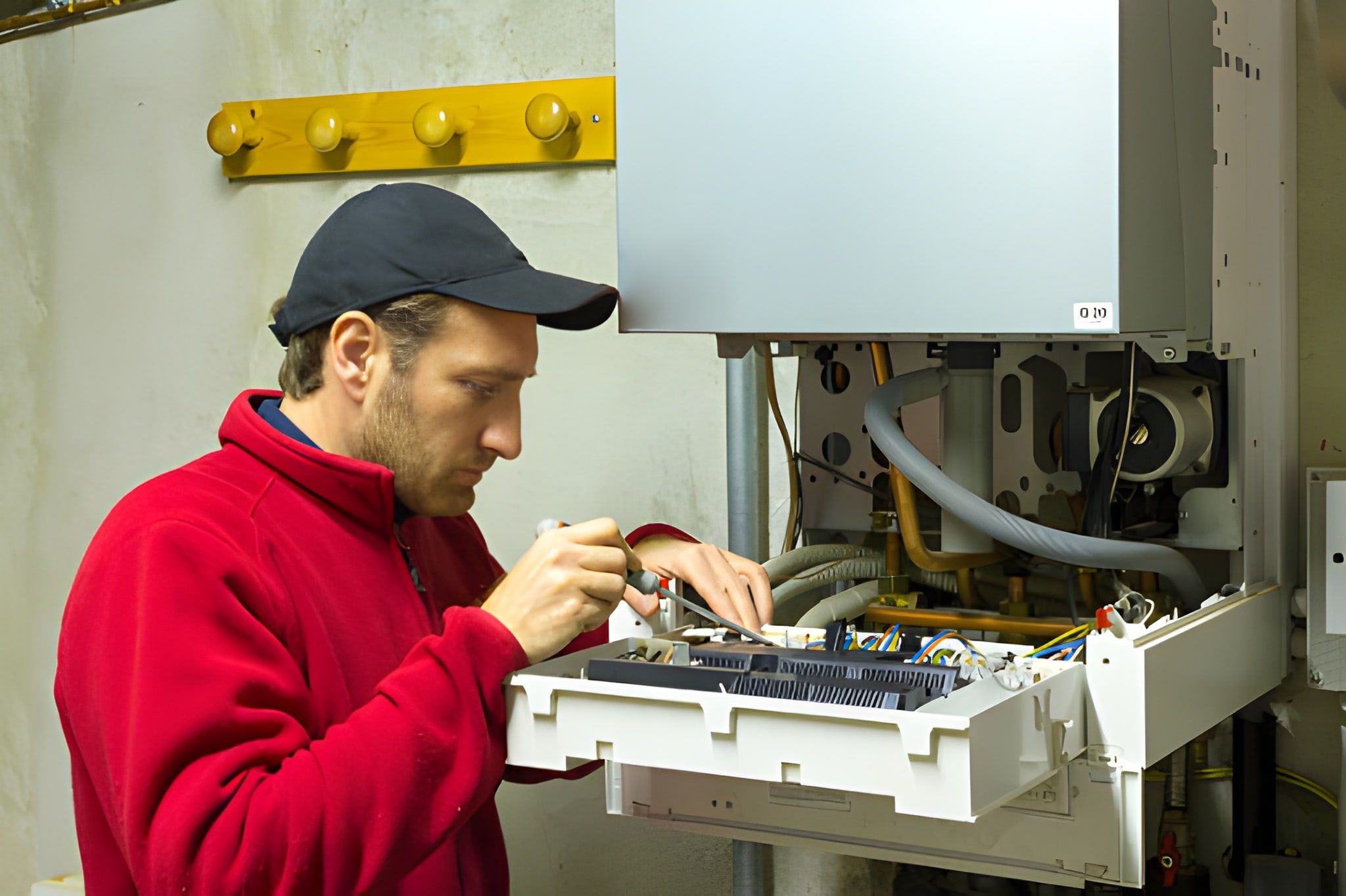
Heating Maintenance in Anaheim, CA
Regular heating maintenance in Anaheim, CA keeps your system safe, efficient, and ready when Southern California nights cool down. Even though Anaheim has milder winters than inland areas, neglected heaters still develop wear, lose efficiency, and can fail when you need them. A structured maintenance program with scheduled multi-point inspections, routine component servicing, filter management, and clear record-keeping protects your investment, reduces energy use, and extends equipment life.
Why heating maintenance matters in Anaheim homes
- California electricity and gas costs are higher than the national average, so small efficiency losses translate to noticeable bills.
- Southern California air quality events and seasonal dust or wildfire smoke increase strain on filters and blowers, creating a greater need for proactive service.
- Many Anaheim homes use combined HVAC systems for cooling and heating; seasonal inspections catch issues before they affect both systems.
A reliable maintenance program addresses these local pressures while keeping your system performing at peak levels.
Common heating issues in Anaheim and what maintenance fixes
- Clogged filters and reduced airflow: Poor indoor air quality and smoke events accelerate filter clogging, causing the system to work harder and cycle more frequently. Regular filter schedules restore airflow and reduce wear.
- Uneven heating and short cycling: Dirty burners, failing thermostats, or faulty control boards cause inconsistent operation. Multi-point inspections identify root causes and correct them before parts fail.
- Reduced efficiency and higher bills: Lack of lubrication, dirty heat exchangers, and inefficient burners lower efficiency. Routine servicing restores designed performance and lowers operating costs.
- Noisy operation or vibration: Loose components, worn bearings, or blocked vents create noise and indicate deeper mechanical wear. Tightening, balancing, and component servicing resolve noise and extend life.
- Safety risks: Cracked heat exchangers, gas leaks, or improper venting present safety hazards. Comprehensive inspections include safety checks to catch and document issues promptly.
What a heating maintenance program includes
A professional maintenance program is a package of preventive measures, documentation, and service privileges designed to proactively protect your system. Core elements include:
- Scheduled multi-point inspections: Seasonal checkups that examine burners, ignition systems, heat exchangers, controls, safety devices, electrical connections, and airflow.
- Routine component servicing: Cleaning burners and flame sensors, lubricating motors and bearings, tightening electrical connections, and calibrating thermostats.
- Filter schedules and guidance: Personalized filter change or replacement intervals based on filter type (disposable, pleated, high-efficiency) and local factors like air quality and occupancy.
- Priority service: Faster response windows for enrolled customers during high-demand periods so downtime is minimized.
- Record-keeping and performance reporting: Clear service histories and performance summaries that track efficiency, noted issues, and recommended next steps.
- Parts inspection and wear forecasting: Early identification of components near end-of-life to allow planned replacement rather than emergency failure.
The multi-point inspection and diagnostic process
A typical seasonal inspection follows a clear, methodical path to diagnose current condition and predict future needs:
- Visual and operational assessment: System startup, thermostat response, and operating sounds are evaluated.
- Safety checks: Combustion, venting, and safety limits are inspected and tested for proper operation.
- Combustion and efficiency checks: Burner condition, flame quality, and basic efficiency indicators are evaluated.
- Electrical and control inspection: Connections, capacitors, relays, and control board functions are examined and tightened as needed.
- Airflow and distribution review: Filter condition, blower performance, duct connections, and registers are checked to ensure even comfort.
- Documentation: Findings are recorded, priority items are flagged, and a performance summary is provided for your records.
Reports are written in plain language, highlighting immediate repairs, recommended upgrades, and energy-saving adjustments.
Typical repairs and solutions performed during maintenance
Maintenance visits commonly include these practical services aimed at preventing failures and improving efficiency:
- Filter replacement and verification of airflow
- Burner and pilot cleaning, ignition system checks
- Lubrication of motors and bearings
- Tightening and testing of electrical connections
- Calibration of thermostats and control settings
- Inspection and minor repair of ductwork connections and seals
- Replacement of worn belts, filters, or small components as needed
Technicians explain each performed task and leave a clear record so you can track trends season to season.
Plan tiers (what to expect) — no pricing included
Maintenance plans are typically tiered so you can choose coverage that matches your needs and budgets. Examples of common tiers:
- Basic Plan: Annual multi-point inspection, filter guidance, written service report, and preferred scheduling for routine visits.
- Preferred Plan: Two seasonal inspections (fall and spring), standard filter replacements per schedule, minor component adjustments, and priority service during peak seasons.
- Elite Plan: Bi-annual inspections, priority emergency scheduling, routine filter replacements, discounted parts for covered repairs, performance reporting, and predictive wear assessments.
Each plan emphasizes clear record-keeping, with more frequent inspections and additional perks at higher tiers to reduce the chance of unexpected failures and to maximize efficiency.
Enrollment process and customer support
Enrollment is straightforward and designed for clarity and convenience:
- Choose the plan tier that matches your needs and system complexity.
- Schedule your initial inspection for a convenient time; technicians will perform the multi-point inspection and establish a baseline.
- Receive a written service report and recommended filter schedule tailored to your home and local conditions.
- Ongoing support includes prioritized scheduling, documented maintenance history, and performance summaries at each visit.
Customer support includes clear explanations in non-technical language, transparency in findings, and documented records so you always know what was done and why.
Benefits of proactive heating maintenance for Anaheim homeowners
- Improved energy efficiency and potentially lower monthly utility costs
- Extended equipment life and delayed need for premature replacement
- Fewer emergency repairs and reduced downtime during cooler nights
- Safer operation through routine safety checks and documentation
- Better indoor air quality through disciplined filter management, especially during wildfire season
- Replace or check filters every 1 to 3 months; increase frequency during dust events or wildfire smoke.
- Keep vents and returns unobstructed to maintain balanced airflow.
- Program thermostats for steady, moderate settings to reduce stress on the system.
- Note unusual noises, odors, or cycling patterns and record the date; these details help technicians diagnose issues faster.
Regular maintenance tailored to Anaheim conditions keeps your heating system reliable, efficient, and safe. Consistent inspections, filter discipline, and documented performance reporting give you confidence in system performance and help protect your home investment over the long term.
Customer
Testimonials
Our customers consistently praise the exceptional service and professionalism of our team. They appreciate the honest advice, meticulous work, and the care taken to ensure their satisfaction.

.webp)
Service Areas
