

Heating Maintenance in El Segundo, CA

This page outlines comprehensive heating maintenance for homes in El Segundo, CA, detailing preventative schedules, diagnostic inspections, and service tasks designed to keep coastal systems reliable and efficient. It covers regular tune-ups, filter and component replacements, corrosion prevention near the ocean, and the benefits of priority service through maintenance agreements. Readers will understand how planned visits, documentation, and annual reviews reduce breakdowns, extend equipment life, and lower long-term energy costs while preserving indoor comfort year-round.
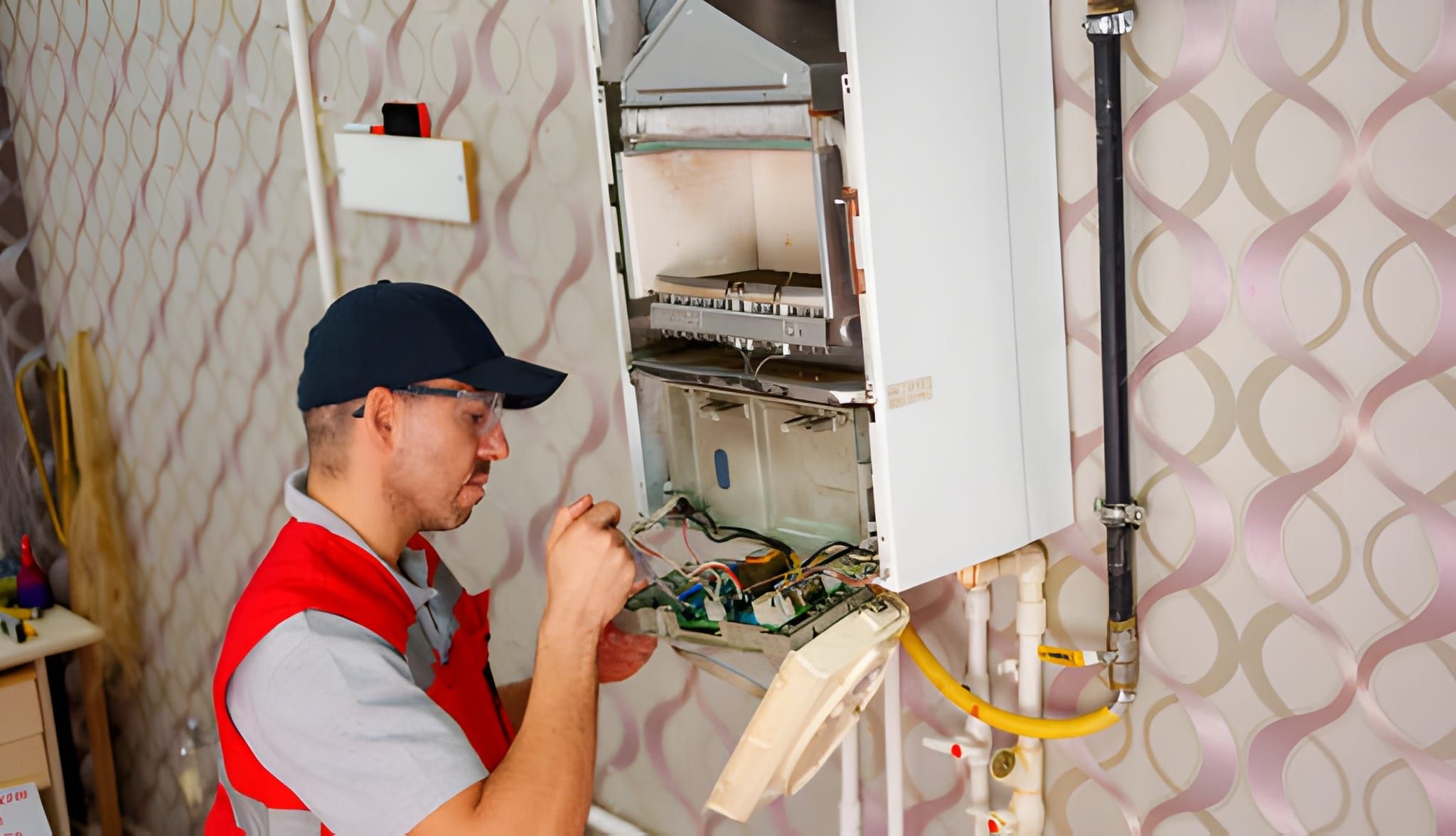
Why heating maintenance matters in El Segundo, CA
El Segundo’s mild coastal climate still sees cooler evenings, marine layer humidity, and occasional cold snaps. Homes near the coast face salt-laden air that accelerates corrosion on outdoor components and heat-exchange surfaces. Many local homes also have older ductwork or mixed HVAC systems where neglected maintenance leads to reduced efficiency, uneven heating, and higher utility use. Regular maintenance addresses these local stresses and keeps systems running safely and efficiently when you need them.
Typical preventative maintenance schedule
A clear schedule makes preventative care predictable and effective. Common schedules used for heating maintenance in El Segundo, CA:
- Annual heating tune-up: Comprehensive inspection and servicing before the cooler season.
- Biannual checks for combined heat pump systems: Spring and fall inspections to cover both cooling and heating seasons.
- Filter checks every 1–3 months depending on filter type and household conditions (pets, occupants, indoor air quality needs).
- Corrosion and exterior component inspections every 6–12 months for homes close to the ocean.
These intervals are adjusted based on system type (furnace, boiler, heat pump), age, usage patterns, and indoor air quality needs.
Detailed inspection and service tasks
A professional heating maintenance visit typically includes the following diagnostic checks and service tasks:
- Visual system assessment: Check for rust, corrosion, loose panels, and obvious damage to outdoor units or flues.
- Safety checks: Verify proper venting, combustion safety, and test for carbon monoxide risk on gas systems.
- Thermostat calibration: Ensure accurate temperature control and proper cycling to prevent short-cycling.
- Electrical inspection: Tighten and test all electrical connections, relays, and safety switches.
- Burner and ignition service (for gas furnaces): Clean burners, inspect the ignition system, and verify combustion efficiency.
- Heat exchanger inspection: Look for cracks or corrosion that can lead to leaks or reduced safety.
- Blower motor and fan maintenance: Clean and lubricate bearings, inspect belts, and measure amperage draw.
- Refrigerant and coils (for heat pumps): Check refrigerant charge, clean coils, and confirm the reversing/defrost cycle operates correctly.
- Ductwork and air distribution: Inspect accessible ducts for leaks, blockages, or disconnected sections that reduce efficiency.
- Condensate and drain lines: Clear and treat drains to prevent clogs or overflow.
- Indoor air quality checks: Assess filtration needs and look for signs of mold in drip pans or ductwork.
Documenting these tasks on every visit creates a maintenance history that helps predict future repairs and informs replacement decisions.
Filter and component replacement recommendations
Proper filtration and timely component replacement are essential for longevity and air quality:
- Filters: Replace or clean filters every 1–3 months. Use a higher-performance filter (MERV 8–11) if you need improved air quality; consult a technician to verify compatibility with airflow requirements.
- Belts and bearings: Inspect annually; replace at the first sign of cracking, fraying, or slipping to prevent blower failure.
- Ignition components: Replace worn igniters or pilot assemblies proactively if they show eroding or inconsistent operation.
- Capacitors and contactors: These electrical parts show wear and should be replaced when testing indicates weakened capacity to avoid motor failure.
- Refrigerant leaks: Repair and recharge only when leakage is confirmed; ongoing loss indicates component replacement may be necessary.
- Heat exchangers and major safety components: Replace if cracked or compromised—repair is not a safe option for gas systems.
For coastal El Segundo homes, add corrosion-resistant fasteners and protective coatings to outdoor components where feasible.
Priority service benefits of a maintenance agreement
Enrolling in a heating service agreement in El Segundo commonly includes priority service features that matter when systems fail during cold spells:
- Priority scheduling during high-demand periods ensures faster technician response times compared to non-members.
- Waived or reduced diagnostic fees for covered breakdowns on plan-covered parts.
- Pre-scheduled seasonal tune-ups included or discounted, guaranteeing the system is inspected before the cold season.
- Peace of mind through documented service history, making warranty claims and insurance interactions easier.
- Planned replacement forecasting: Maintenance records help technicians recommend the right time to replace inefficient or unsafe equipment, avoiding emergency failures.
Priority membership is especially valuable in communities where a single storm or marine layer can lead to multiple service calls at once.
Long-term cost and lifespan advantages
Regular heating maintenance delivers measurable long-term benefits:
- Improved efficiency: A well-tuned system uses less energy, lowering utility bills and reducing environmental impact.
- Reduced repair frequency: Preventative care catches wear early, resolving small problems before they become large, expensive repairs.
- Extended equipment life: Routine cleaning, lubrication, and component replacement can add several years to system lifespan.
- Better indoor air quality: Consistent filtration and coil cleaning reduce dust and microbes circulating through the home.
- Safety assurance: Annual safety checks reduce risks related to combustion appliances and electrical systems.
When you factor in fewer emergency repairs and improved seasonal performance, maintenance often pays for itself over the life of the system.
How heating service agreements generally work in El Segundo
Service agreements simplify ongoing maintenance and set expectations. Typical enrollment and ongoing process:
- Initial system inspection: A technician performs a baseline evaluation to establish system condition and maintenance needs.
- Agreement selection: Choose a plan level that fits your home’s system type and coverage preferences (basic tune-ups vs. comprehensive coverage).
- Documentation and scheduling: The agreement outlines visit frequency, included tasks, and any priority benefits. Initial tune-up is scheduled to prepare the system for the season.
- Reminder and tracking: Most agreements provide seasonal reminders and maintain a service record for each visit and repair.
- Annual reviews: Each year, the technician reviews system history and adjusts maintenance recommendations based on performance and local conditions.
Service agreements are structured to be predictable and to reduce the chance of surprise breakdowns, particularly during colder months in coastal areas.
Final considerations and maintenance tips for El Segundo homes
- Inspect filters monthly during heavy use and after dusty projects or if you have pets.
- If your home is within a few blocks of the ocean, ask about extra corrosion protection and more frequent outdoor unit checks.
- Keep vents and exterior unit clear of landscaping, debris, and salt buildup to maintain airflow and efficiency.
- Track service records: A documented history helps technicians make better long-term recommendations and preserves warranty coverage.
Regular heating maintenance in El Segundo, CA protects comfort, safety, and household budgets. Following a consistent schedule tailored to local climate and your system type helps ensure reliable heating performance year after year.
Customer
Testimonials
Our customers consistently praise the exceptional service and professionalism of our team. They appreciate the honest advice, meticulous work, and the care taken to ensure their satisfaction.

.webp)
Service Areas
