

Air conditioning tune-ups in Manhattan Beach, CA provide seasonal preventive maintenance to reduce breakdowns, enhance efficiency, and extend system life in a coastal climate. Services include filter replacement, coil cleaning, blower and motor maintenance, refrigerant checks, electrical inspections, thermostat calibration, and safety testing. The process also covers diagnostics, recommended maintenance frequency, and optional preventive plans. By addressing challenges like salt exposure and humidity, these tune-ups help maintain warranties, lower energy costs, and ensure consistent year-round comfort.

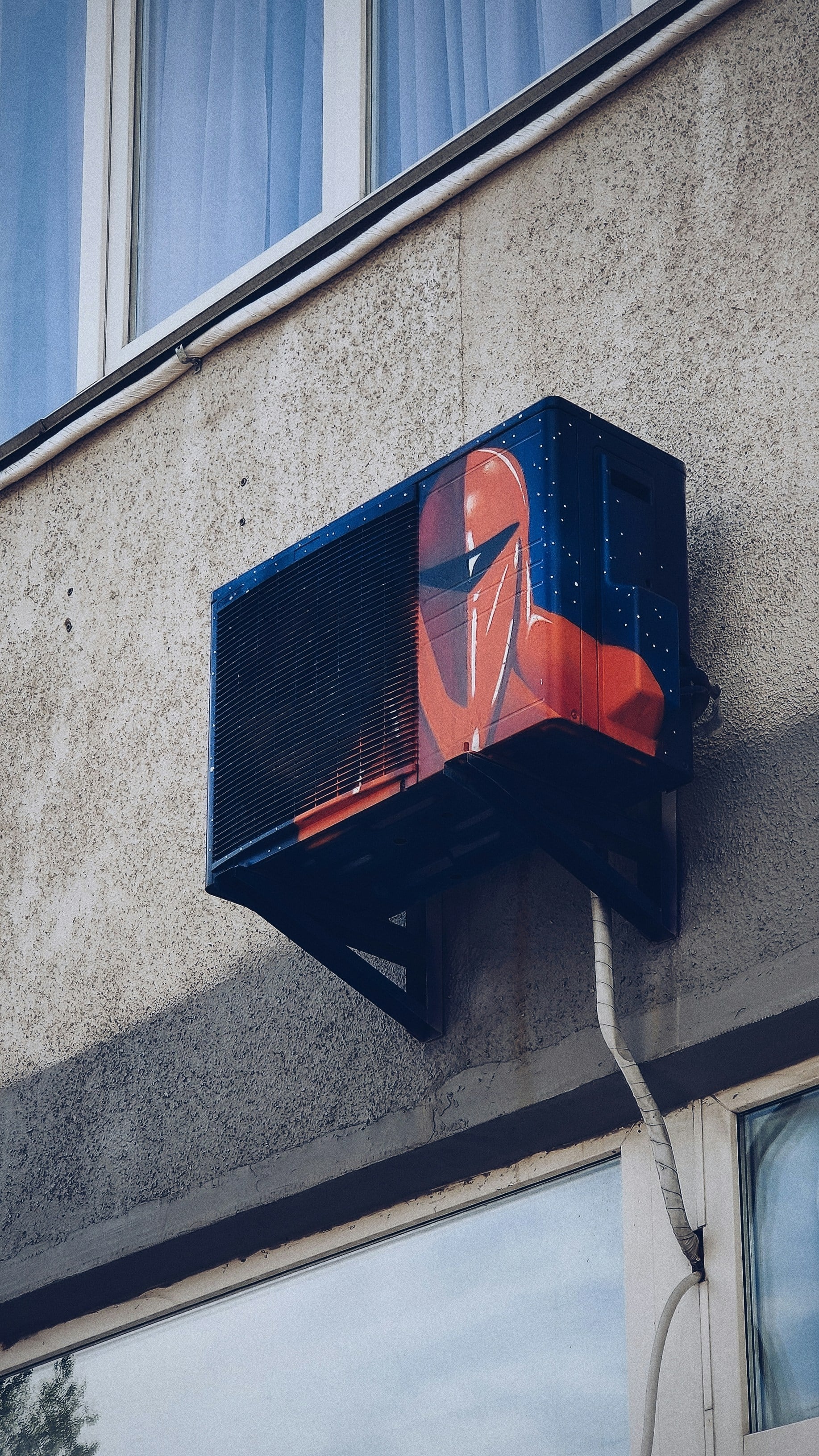
Air Conditioning Tune-up in Manhattan Beach, CA
Keeping your air conditioning running smoothly in Manhattan Beach means balancing energy efficiency, indoor comfort, and protection from coastal wear. An Air Conditioning Tune-up in Manhattan Beach, CA is a seasonal preventive maintenance visit that focuses on routine tasks proven to reduce breakdowns, lower energy bills, and extend the life of your system. Below is a clear, expert guide on what these tune-ups include, why they matter for local homes, common coastal issues, and how maintenance plans typically work.
Why seasonal tune-ups matter in Manhattan Beach
Manhattan Beach’s mild, coastal climate still places unique stresses on air conditioning equipment. Salt-laden air, higher humidity during marine layer events, and occasional heat waves all increase corrosion risk and demand on compressors and coils. Regular tune-ups:
- Improve efficiency so your system uses less energy during warm spells
- Reduce the risk of mid-season breakdowns when service times can be long
- Maintain consistent indoor comfort and humidity control
- Preserve manufacturer warranty coverage that often requires documented maintenance
What’s included in a standard AC tune-up
A professional seasonal tune-up is a comprehensive inspection and basic service of your split system, packaged to address both performance and safety. Typical tasks include:
- Filter change or inspection: Replace or clean filters to restore airflow and protect components.
- Coil cleaning: Clean evaporator and condenser coils to improve heat transfer and efficiency.
- Blower and motor cleaning: Remove dust and debris from blower wheels and check motor operation.
- Refrigerant level checks: Verify proper charge and check for signs of leaks.
- Electrical inspection: Test capacitors, contactors, wiring, and safety devices for wear or loose connections.
- Thermostat calibration: Ensure the thermostat reads accurately and cycles the system correctly.
- Safety checks: Confirm safety controls and shutdown devices function as intended.
- Condensate drain check: Clear and inspect the condensate line to prevent overflow and water damage.
- Performance testing: Measure temperature split, airflow, and system pressures to confirm efficient operation.
- Visual inspection of outdoor unit: Look for corrosion, bent fins, and brine buildup on condenser components.
A typical tune-up visit usually takes 45 to 90 minutes depending on system complexity and findings.
Common AC problems in Manhattan Beach homes
Local conditions create patterns of issues technicians see repeatedly:
- Salt corrosion on outdoor units: Coastal salt accelerates corrosion on coils, fasteners, and fan motors.
- Clogged coils and reduced efficiency: Fine coastal dust and indoor contaminants reduce heat exchange.
- Low refrigerant from undetected leaks: Decreased cooling capacity and higher run times raise energy costs.
- Clogged condensate drains: Humidity and organic buildup can lead to water backups and system shutdowns.
- Electrical failures from moisture and corrosion: Contacts and capacitors degrade faster in humid coastal air.
- Thermostat drift or poor placement: Incorrect readings lead to inconsistent comfort and unnecessary cycling.
Addressing these issues during scheduled tune-ups avoids emergency calls and preserves comfort year-round.
Diagnostic steps technicians follow
A professional tune-up is organized and measurable. Typical diagnostic workflow:
- Review system history and any recent symptoms
- Inspect filters, access panels, and physical condition
- Measure airflow and calculate temperature split across the evaporator coil
- Check refrigerant pressures and compressor amp draw
- Test electrical components under load and measure voltage where needed
- Clean coils and blower assembly where accessible
- Verify safety switches, condensate drainage, and thermostat function
- Document findings, recommend repairs if needed, and provide a maintenance report
Technicians will differentiate simple maintenance items from required repairs and note any parts that show imminent failure.
Repairs and preventive actions commonly recommended
When tune-ups reveal problems, common corrective measures include:
- Coil treatment or professional coil replacement for heavily corroded or damaged coils
- Refrigerant leak repair and recharge if required
- Replacement of capacitors, contactors, or motors showing wear
- Condensate line flushing or replacement of clogged P-traps
- Replacing dirty or undersized filters with higher-efficiency options
- Installing corrosion-resistant fasteners or protective coatings for coastal installations
- Thermostat replacement or relocation to improve control accuracy
Timely repairs after a tune-up are more cost-effective than emergency fixes and reduce downtime during peak use.
Recommended frequency and membership plan features
Frequency recommendations depend on system age, use, and coastal exposure:
- Most Manhattan Beach homes: one full tune-up annually before the warm season is generally sufficient.
- High-use systems, older equipment, or coastal-exposed units: semi-annual visits (spring and fall) are advisable to guard against corrosion and ensure performance during heat spells.
- Homes with severe indoor air quality concerns or mechanical issues: quarterly inspections may be beneficial.
Many homeowners enroll in preventive maintenance or membership plans that bundle services such as seasonal tune-ups, priority scheduling, routine filter replacements, and discounts on repairs. These plans provide documented maintenance records that support warranty compliance and make long-term planning easier.
Benefits you’ll notice after a tune-up
Post-maintenance improvements typically include:
- Lower and more consistent energy bills from restored efficiency
- Quieter operation and steadier cooling with properly calibrated controls
- Reduced risk of mid-summer failures when replacement parts can be harder to source
- Better indoor air quality from clean filters and coils
- Longer equipment life and higher resale value for the home
Technicians usually supply a service report outlining work performed and any recommended follow-up so you can track system health over time.
Practical homeowner maintenance tips between visits
Small actions help maintain performance between professional tune-ups:
- Change filters monthly or per manufacturer guidance, especially during heavy use
- Keep the area around outdoor units clear of debris and salt buildup
- Rinse outdoor coils gently with fresh water periodically to remove salt deposits
- Monitor thermostat settings and battery status
- Watch for warning signs such as reduced cooling, unusual noises, water leaks, or higher-than-normal utility bills
Regular homeowner attention plus professional tune-ups is the most effective strategy to protect comfort and reduce long-term cost.
An Air Conditioning Tune-up in Manhattan Beach, CA is an investment in comfort, efficiency, and system longevity. Given the coastal environment and local usage patterns, routine preventive maintenance tailored to these conditions reduces unexpected breakdowns, maintains warranty coverage, and keeps energy costs lower. Documented seasonal visits, combined with sensible homeowner care, protect your home’s indoor comfort through the year.
Customer
Testimonials
Our customers consistently praise the exceptional service and professionalism of our team. They appreciate the honest advice, meticulous work, and the care taken to ensure their satisfaction.

.webp)
Service Areas
