

Air Conditioning Tune-Up in Colton, CA delivers proactive maintenance to protect comfort and reduce cooling costs. Precise Air Systems (FERGUSON) is here to outline what a professional annual or seasonal tune-up includes, warning signs that warrant service, and the recommended schedule for Colton homes. We detail diagnostics, cleaning, and testing steps, homeowner maintenance, and the tangible benefits of regular tune-ups, empowering homeowners to plan timely repairs and protect warranty eligibility. We cover filter inspection, refrigerant checks, coil cleaning, airflow assessment, and electrical tests, along with practical home maintenance tips.

Air Conditioning Tune-up in Colton, CA
Keeping your air conditioning tuned and ready is one of the most effective ways to protect comfort, control cooling costs, and reduce the risk of breakdowns during Colton summers. With inland temperatures frequently climbing and seasonal dust and debris from nearby freeways and desert winds, homes in Colton require focused, preventative AC care. This page explains what a professional annual or seasonal AC tune-up includes, common warning signs, recommended schedules for local homes, what technicians check and test, homeowner maintenance you can do, and the real benefits of regular tune-ups.
Why a tune-up matters for Colton homes
Colton's hot, dry summers and occasional Santa Ana winds increase cooling demand and airborne dust. That leads to:
- Faster filter clogging and reduced airflow
- Greater wear on compressor and fan motors
- Increased risk of condenser coil fouling from road dust
- Higher likelihood of system strain during peak heat
A proper tune-up reduces these risks by restoring factory performance as much as possible, identifying small issues before they become failures, and ensuring safe, efficient operation throughout the cooling season.
Standard AC tune-up checklist
A comprehensive tune-up follows a consistent checklist to inspect, clean, test, and adjust all major components. Typical items include:
- Filter inspection and replacement
- Check filter type and condition; replace or recommend appropriate MERV rating for the home
- Refrigerant level check
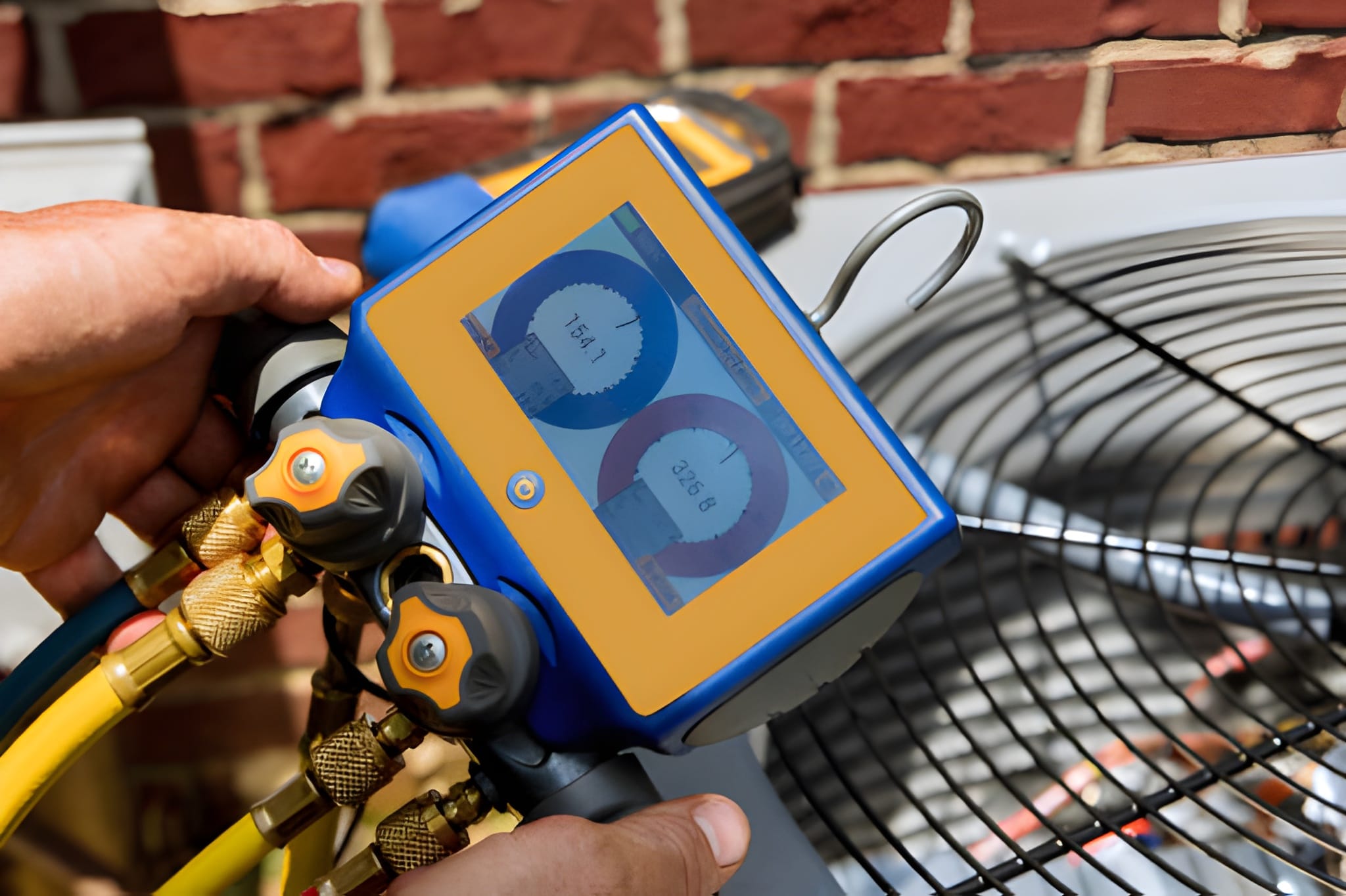
- Measure pressures and temperature split; verify refrigerant charge and look for signs of leaks
- Evaporator coil cleaning and inspection
- Remove dust and debris, inspect for corrosion or damage
- Condenser coil cleaning and fan/blade inspection
- Clear leaves, dirt, and buildup that reduce heat transfer
- Blower assembly and airflow assessment
- Inspect motor, belts (if applicable), and measure airflow to confirm proper CFM
- Electrical system check
- Tighten connections, test capacitors, contactors, relays, and measure amp draw
- Thermostat calibration and controls
- Confirm accurate sensing, proper cycles, and check programmable schedules
- Drain line and pan inspection
- Clear clogs, check condensate pump if present, and ensure proper drainage
- Safety and operational tests
- Verify limits, safeties, and consistent cycling during run tests
- Basic duct and home airflow overview
- Inspect accessible ducts for disconnection, kinks, or major blockages
Technicians should document findings and explain any recommended repairs or replacements in plain language.
Common AC problems a tune-up uncovers
Regular tune-ups catch the issues that commonly lead to emergency repairs:
- Low refrigerant from slow leaks
- Dirty condenser or evaporator coils reducing capacity
- Failing capacitors or motors causing hard starts or no cooling
- Restricted airflow from clogged filters or blocked return vents
- Faulty thermostats causing short cycling or temperature swings
- Clogged condensate drains leading to water damage or system shutdown
Finding and addressing these early reduces disruption and keeps units running closer to rated efficiency.
Diagnostics and performance checks explained
During a tune-up, technicians use simple but revealing diagnostics:
- Temperature split: measuring indoor vs outdoor coil temperatures to verify proper cooling transfer
- Static pressure and airflow checks: assessing blower effectiveness and duct performance
- Electrical load testing: checking current draw to detect overworked motors or failing components
- Refrigerant pressure readings: diagnosing charge level and performance under load
- Leak inspection: visual and sometimes electronic leak detection for refrigerant or oil stains
These measurements allow accurate, non-guess assessments of what the system needs now and what will likely fail soon.
Recommended tune-up schedule for Colton, CA
- Annual professional tune-up before cooling season: Best practice for most Colton homes is a full inspection and service in spring, ahead of sustained high temperatures.
- Twice-yearly service for high-use or older systems: Homes with older units (10+ years), heavy daily cooling, or documented issues benefit from an additional fall check to prepare for winter and identify wear.
- Filter changes more frequently in dusty conditions: Given Colton dust and pollen, check filters monthly during peak use and replace every 1 to 3 months depending on filter type and household needs.
Timely seasonal service reduces the chance of a breakdown during the hottest weeks and preserves warranty eligibility for many manufacturers.
What homeowners can do between tune-ups
Simple maintenance extends the life and efficiency of your system:
- Replace or clean filters regularly according to the filter type and household conditions
- Keep the outdoor unit clear of debris, grass clippings, and vegetation for at least 24 inches of clearance
- Ensure vents and returns inside the home are unobstructed and balanced
- Check the outdoor unit is level and free from standing water
- Program thermostats to avoid unnecessary run time and reduce strain during extreme heat
- Periodically inspect the condensate drain for signs of blockage or algae growth
These small steps reduce stress on the system and make professional tune-ups more effective.
Benefits of regular tune-ups
A consistent tune-up program delivers measurable, practical advantages:
- Improved cooling performance and more consistent indoor temperatures
- Lower energy consumption by restoring efficient operation
- Reduced risk of unexpected breakdowns during peak demand
- Longer equipment lifespan by reducing component stress
- Better indoor air quality through cleaner coils and properly working filtration
- Clear documentation of system condition for informed repair or replacement decisions
Technicians also identify when older systems may require refrigerant conversion or replacement due to phased-out refrigerants like R-22. In those cases, a tune-up helps homeowners plan for retrofit or replacement on a sensible timeline.
Safety and regulatory notes
Handling refrigerant, performing electrical repairs, or replacing major components requires trained technicians with proper certification and tools. Refrigerant regulations and environmental rules apply, and licensed service professionals follow those standards during diagnostic and repair work.
Typical next steps after a tune-up inspection
After completing diagnostics, a thorough report will explain:
- What was cleaned, tested, and adjusted
- Any immediate repairs needed to prevent failure
- Recommended items to monitor and the suggested timeline for replacement parts or system upgrades
- Suggestions for improving comfort or efficiency specific to the home setup
A documented tune-up becomes a record you can use for warranty compliance and long-term maintenance planning.
Regular air conditioning tune-ups tailored to Colton climate conditions deliver dependable comfort, keep energy use in check, and prevent the stress of mid-summer failures. For homes that rely on air conditioning through long, hot seasons, tuned systems are quieter, more reliable, and more efficient.
Customer
Testimonials
Our customers consistently praise the exceptional service and professionalism of our team. They appreciate the honest advice, meticulous work, and the care taken to ensure their satisfaction.

.webp)
Service Areas
