

An expert air conditioning tune-up in Bell Gardens, CA helps homeowners maintain comfort and efficiency during the warmer months. The service includes a thorough inspection, cleaning, and adjustment of system components, addressing common local issues, and providing performance tips to optimize operation. Homeowners can expect guidance on recommended maintenance frequency, potential repairs, and overall benefits such as improved reliability, energy savings, and better indoor air quality.

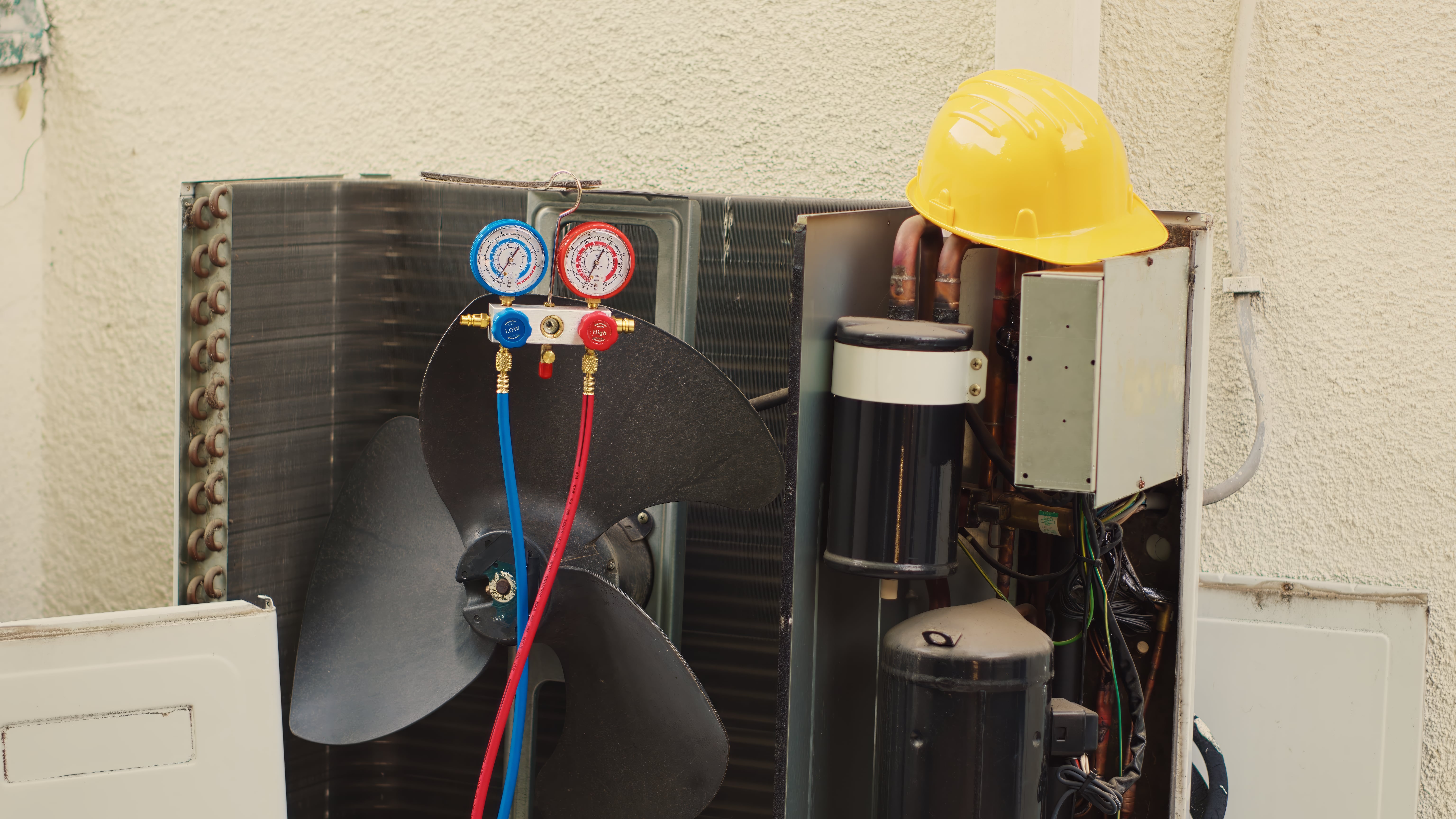
Air Conditioning Tune-up in Bell Gardens, CA
Regular air conditioning tune-ups are essential for Bell Gardens homes where temperatures rise in late spring and peak during the summer months. An annual, professional Air Conditioning Tune-up in Bell Gardens, CA helps keep cooling systems running efficiently, prevents mid-summer breakdowns, improves indoor air quality in a region with urban dust and smog, and extends equipment life. This page explains what a comprehensive tune-up includes, common local issues, the exact inspection checklist technicians follow, cleaning and adjustment procedures, performance optimization tips for Bell Gardens homes, and what to expect from maintenance plans.
Common AC problems in Bell Gardens, CA
- Frequent cycling or short cycling from oversized or failing components due to heavy seasonal use
- Reduced cooling capacity linked to low refrigerant levels or dirty coils, especially after prolonged use
- Clogged filters and decreased indoor air quality because of urban dust, pollen, and vehicle emissions
- Hard-to-start compressors or tripped breakers from weak electrical connections and heat stress
- Thermostat calibration drift causing uneven comfort or higher energy use
- Duct leaks and poor return airflow in older homes, decreasing efficiency and increasing runtime
Detailed inspection checklist
A professional tune-up follows a systematic checklist to diagnose and correct problems before they cause failure. Typical items include:
- Air filters: Inspect and measure static pressure impact. Replace or recommend the correct MERV-level filter for the home’s needs.
- Evaporator and condenser coils: Inspect for dirt, corrosion, and damage. Dirty coils reduce heat transfer and increase run time.
- Refrigerant levels and detect leaks: Verify proper charge, check for signs of leaks (oil, stains) and document pressures and superheat/subcooling readings.
- Electrical connections and controls: Tighten terminal connections, test capacitors and contactors, and inspect wiring for overheating or corrosion.
- Compressor and fan motors: Evaluate motor amperage draw, listen for unusual noises, inspect belts or direct-drive links.
- Thermostat calibration and control logic: Confirm sensor accuracy, verify setpoints, and test programmable schedules or smart thermostat integration.
- Blower assembly and airflow: Measure CFM where possible, inspect blower wheel for dirt, verify proper fan speed and damper positions.
- Drainage and condensate system: Clear drain lines, check condensate pump operation, and inspect pan for algae or blockages.
- Ductwork and seals: Visually inspect accessible ducts for gaps, detached connections, and insulation issues.
- System performance: Record supply and return temperatures, calculate temperature split, and compare to manufacturer specs.
Cleaning and adjustment procedures
During a tune-up, technicians perform targeted cleaning and adjustments that restore efficiency and reliability:
- Coil cleaning: Use low-pressure coil cleaning solutions and rinsing to remove grime without damaging fins. Straighten bent fins to restore airflow.
- Filter replacement: Install the correct filter size and type; advise on replacement intervals based on Bell Gardens air conditions.
- Blower and fan cleanup: Remove debris, balance fans, and ensure motor bearings are lubricated where applicable.
- Electrical tightening and component testing: Torque electrical connections to spec, test capacitor and contactor function, and replace marginal parts.
- Refrigerant service: If undercharged or overcharged, correct refrigerant to manufacturer specifications and document system pressures. If leaks are suspected, recommend leak repair and follow-up verification.
- Condensate maintenance: Flush drain lines, treat pans for algae, and verify pumps or float switches operate properly.
Performance optimization tips for Bell Gardens homes
- Use a programmable or smart thermostat to reduce runtime when no one is home without sacrificing comfort.
- Seal and insulate ducts in attics and crawlspaces to minimize losses common in older Southern California homes.
- Improve attic insulation and attic ventilation to lower cooling load during hot afternoons.
- Ensure return-air pathways are unobstructed; closed bedroom doors can starve the system of proper airflow.
- Consider a higher-efficiency filter if indoor air quality is a concern, balancing MERV rating with system airflow needs.
- Shade outdoor condenser units using lattice or plants without restricting airflow to reduce condenser heat load.
Benefits of regular tune-ups
- Improved energy efficiency and lower utility usage from optimized operation and clean components.
- Greater reliability with fewer mid-season breakdowns and reduced emergency repair risk.
- Longer equipment life by reducing wear on compressors, motors, and controls.
- Better indoor comfort and more consistent temperatures throughout the home.
- Enhanced indoor air quality through timely filter changes and coil cleaning.
- Documentation of service which can help with warranty compliance and resale disclosures.
Recommended tune-up frequency and maintenance plans
- For most Bell Gardens homeowners, a yearly tune-up in spring is recommended to prepare for high summer cooling demand. Schedule before late May to avoid peak-season delays.
- Homes with heavy cooling loads, older systems (10+ years), or occupants with high indoor air quality needs may benefit from biannual checks (spring and fall).
- Maintenance plans typically bundle seasonal inspections, priority scheduling, routine filter replacements, diagnostic testing, and discounts on repairs. Plans also often include service records and performance tracking to identify trends before they become problems. These plans are designed to reduce unexpected costs and improve system uptime without discussing individual pricing here.
What to expect during an AC tune-up appointment
- Typical tune-ups take between 60 and 120 minutes depending on system size and condition.
- The technician will perform the inspection checklist, test electrical and refrigerant systems, clean components as needed, and provide a written summary of findings and recommended repairs.
- If repairs are required, the tech will note urgency levels and explain which items affect safety, efficiency, or reliability. Major repairs or part replacements are often quoted separately and may require follow-up scheduling.
Maintaining your air conditioner with a comprehensive Air Conditioning Tune-up in Bell Gardens, CA preserves comfort during the hottest months, improves system efficiency in a climate with sustained cooling demand, and protects indoor air quality in a densely populated urban area. Regular tune-ups are a practical investment in reliability and long-term savings for Bell Gardens homes.
Customer
Testimonials
Our customers consistently praise the exceptional service and professionalism of our team. They appreciate the honest advice, meticulous work, and the care taken to ensure their satisfaction.

.webp)
Service Areas
