

Discover professional air conditioning repair services in Bell Gardens, CA, from symptom identification to a clear diagnostic and repair plan. Learn about common local issues, step-by-step diagnostics, repair expectations, pricing, and warranties. Emergency and same-day options, technician qualifications, and homeowner preparation tips are included. This customer-focused guidance helps residents decide between repair and replacement while understanding timelines and available support.

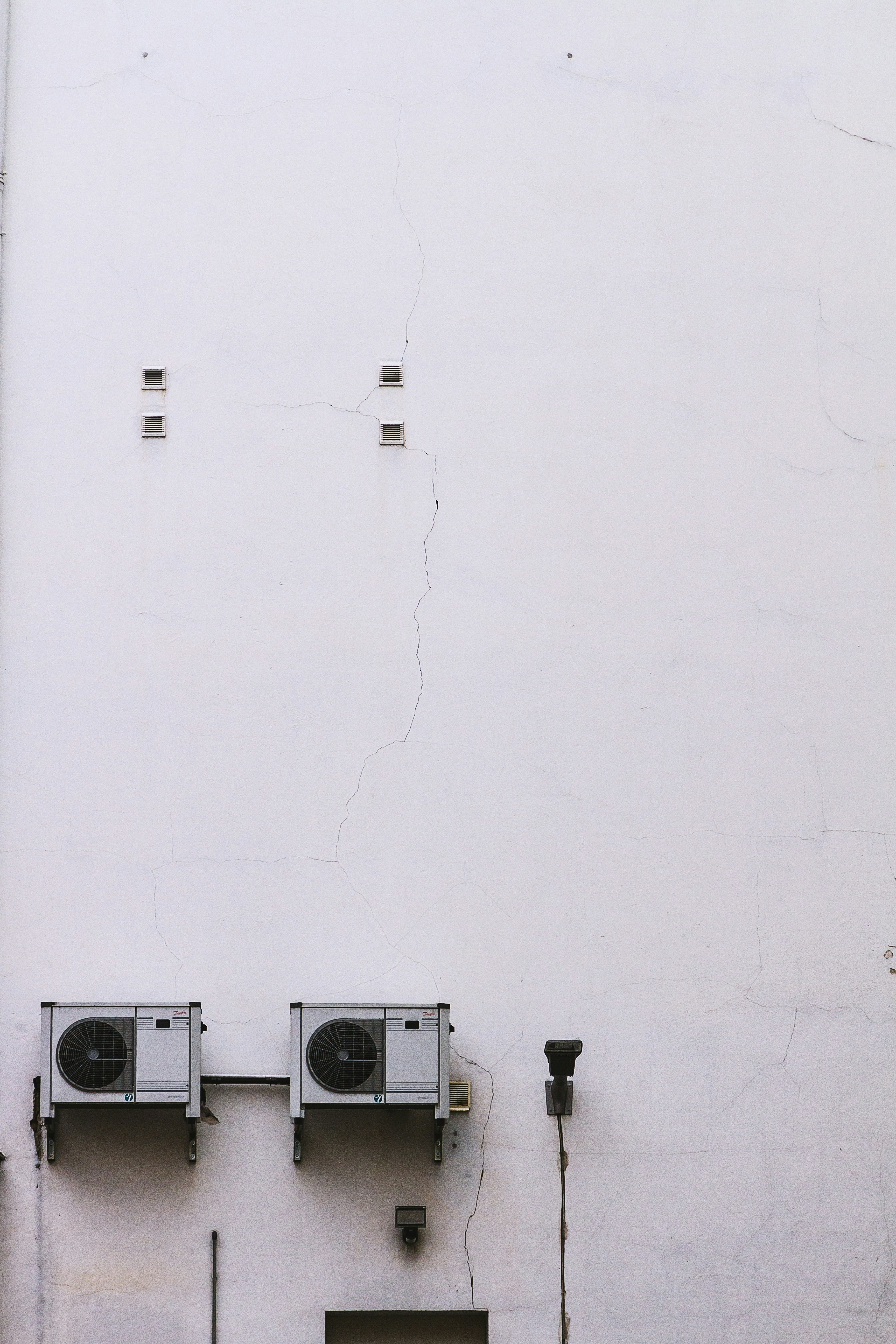
Air Conditioning Repair in Bell Gardens, CA
Keeping your home comfortable through Bell Gardens summers means a reliable air conditioning system. This page explains what to expect from professional air conditioning repair in Bell Gardens, CA: common symptoms homeowners see, a clear diagnostic process, the typical repairs performed, emergency and same-day options, pricing and warranty expectations, technician qualifications, and practical steps to prepare for a repair visit. The goal is to help you decide quickly and confidently when your AC needs service.
Common AC problems in Bell Gardens, CA
Bell Gardens experiences long, warm seasons and periodic heat waves that stress residential HVAC systems. The most common AC issues we see locally include:
- Poor cooling or warm air blowing from vents, often due to refrigerant loss, compressor problems, or airflow restrictions.
- Short cycling or frequent on/off cycles caused by electrical faults, thermostats, or an overworked compressor.
- Weak airflow from vents, typically from clogged filters, failing blower motors, or blocked ductwork.
- Strange noises from the outdoor unit such as grinding or rattling, commonly related to fan motors, bearings, or debris buildup.
- Water leaks or overflowing condensate drain lines, which are often caused by clogs or malfunctioning drain pans.
- System not starting at all, frequently due to tripped breakers, faulty capacitors, contactors, or control board failures.
- Reduced efficiency or rising energy bills following summer use, signaling underlying component deterioration or refrigerant leaks.
Local factors: Bell Gardens homes can be older and may have aging equipment. Extended hot periods and airborne dust from nearby freeways increase compressor runtime and filter clogging, making timely repairs important.
Step-by-step diagnostic process
A reliable repair begins with a structured diagnostic routine that isolates root causes rather than chasing symptoms. A typical diagnostic procedure includes:
- Visual inspection: Check outdoor condenser and indoor air handler for obvious damage, rust, debris, or rodent intrusion.
- Airflow check: Measure supply and return airflow, inspect filters, and verify duct registers are open.
- Electrical evaluation: Test breakers, fuses, contactor, capacitors, and voltage to motors and the compressor to rule out electrical faults.
- Refrigerant and pressure testing: Measure refrigerant pressures and temperature splits to detect leaks or undercharge conditions.
- Component testing: Verify operation of the compressor, fan motors, blower motor, thermostats, and control board using diagnostic meters.
- Drain and coil inspection: Check condensate line, drain pan, and evaporator coil for clogs, mold, or ice formation.
- Report and estimate: Provide an itemized list of findings, recommended repairs, and parts/labor options.
This process minimizes unnecessary parts replacement and provides transparency in the decision you make next.
Typical repairs and what they involve
Here are the most common repairs performed on residential systems in Bell Gardens, with a clear, non-technical description of each:
- Compressor repair or replacement: The compressor is the system heart. Failures typically mean the unit needs a new compressor or full replacement depending on age and damage.
- Refrigerant leak detection and repair: Leaks are located with electronic leak detectors or dye, the leak is repaired, and the system is evacuated and recharged to proper charge levels.
- Fan motor and capacitor replacement: Outdoor condenser fan motors and capacitors wear out. Replacing the motor or capacitor restores proper airflow and system starting reliability.
- Contactor and relay replacement: Electrical switching components wear out from repeated use. Replacing these restores reliable power control to the compressor and fan.
- Thermostat and control repairs: Upgrading or recalibrating thermostats and controls fixes inaccurate temperature sensing and poor cycling behavior.
- Evaporator or condenser coil cleaning and minor coil repairs: Dirty coils reduce efficiency. Cleaning and minor fin repair can restore performance.
- Condensate drain cleaning and float switch replacement: Clearing clogged drains and replacing faulty safety switches stops water damage and nuisance shutoffs.
- Duct and airflow repairs: Sealing leaky ducts and restoring balanced airflow improves comfort room-to-room and system efficiency.
Each repair is accompanied by an itemized estimate outlining parts, labor, and an expected timeline for completion.
Emergency and same-day repair availability
Heat can make an inoperable AC a household emergency. Emergency repair options typically include:
- Prioritized dispatch during heat waves or for medically vulnerable residents when systems fail.
- Same-day diagnostics and repairs for many common failures such as capacitor, contactor, fan motor, thermostat, and refrigerant top-off when safe and appropriate.
- Clear communication about expected arrival windows and the scope of work that can be completed on the first visit versus jobs that require ordered parts.
Because parts availability and system age affect repair time, the diagnostic visit clarifies whether a same-day fix is possible or whether a longer repair timeline or replacement is advisable.
Pricing transparency and warranty expectations
Transparent pricing is an essential part of trust during repair decisions. Typical pricing practices you can expect:
- Clear, flat-fee diagnostic charge that is applied to the repair invoice if repairs proceed.
- Itemized estimates showing parts, labor hours, and any permit fees required by Los Angeles County.
- Options presented when multiple repair paths exist, such as repair versus replacement, with estimated remaining useful life considerations.
- Warranty coverage explained up front: common offerings include limited labor warranties (often 30 to 180 days) and parts warranties that vary by manufacturer (often 1 to 10 years). Understanding what is covered and the process for warranty claims is part of the written estimate.
Documentation of work and warranty terms is provided at completion to protect homeowners and support future service.
Technician qualifications and documentation
Qualified technicians ensure safe, code-compliant repairs. Expect technicians to have:
- EPA 608 refrigerant handling certification and training in local code and permit requirements.
- Ongoing manufacturer training for common equipment brands and up-to-date safety training.
- Photo documentation of problems and completed repairs including before-and-after images of the unit, replaced parts, and any access issues.
- Clear service reports that list observed issues, performed work, parts installed, and maintenance recommendations.
Photos and detailed reports are helpful if you need to file warranty claims or provide HOA or landlord documentation.
Preparing for a repair visit
To streamline the visit and get faster, more accurate repairs, have this information ready:
- Unit type and age if known (brand, model, and approximate installation year).
- Clear description of symptoms, when they started, and any recent changes (strange noises, water on the floor, thermostat behavior).
- Accessibility notes such as locked gates, HOA rules, or pets.
- Photos or short videos of the outdoor unit and thermostat can speed up initial assessment.
Technicians will advise on safety precautions and any temporary steps to protect your home until full repairs are completed.
Why timely AC repair matters in Bell Gardens
Prompt repair protects comfort, health, and your budget. Early fixes prevent minor issues from turning into major failures that often lead to full system replacement. Efficient, well-timed repairs reduce energy use during Bell Gardens heat spikes, protect indoor air quality, and extend equipment life. For older systems, an honest assessment comparing repair costs to replacement value helps you choose the most economical path for long-term comfort and reliability.
Customer
Testimonials
Our customers consistently praise the exceptional service and professionalism of our team. They appreciate the honest advice, meticulous work, and the care taken to ensure their satisfaction.

.webp)
Service Areas
