

Air conditioning replacement in Palm Springs, CA helps homeowners determine when upgrading an aging system is more effective than repair and which technologies perform best in a desert climate. Key indicators for replacement are outlined alongside comparisons of high-efficiency central units, heat pumps, ductless mini-splits, and variable-speed systems, with an explanation of how SEER ratings affect operating costs. The process includes a structured repair-versus-replace evaluation, available rebates and financing options, step-by-step replacement workflow, and guidance on achieving long-term energy savings, comfort, and reliability for Palm Springs homes.

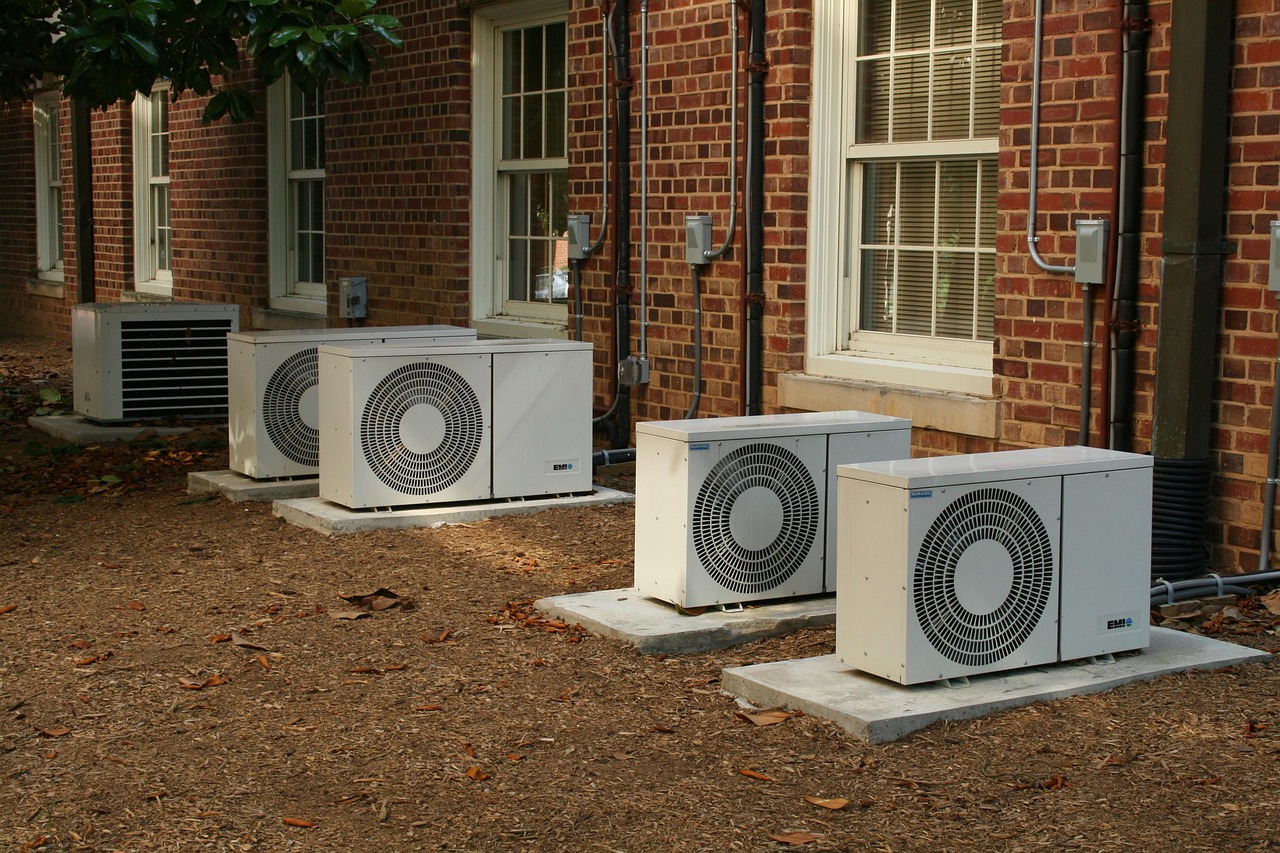
Air Conditioning Replacement in Palm Springs, CA
In Palm Springs, CA, reliable air conditioning is not a luxury — it is essential year-round. The desert climate means extended cooling seasons, high daytime temperatures, and heavy demand on systems that can accelerate wear. Air Conditioning Replacement in Palm Springs, CA focuses on helping homeowners understand when replacement makes sense, which equipment performs best in this environment, and what to expect during the swap so you get long-term comfort, lower energy bills, and dependable cooling when temperatures spike.
When it’s time to replace your AC: common AC replacement issues in Palm Springs
Recognizing the signs early prevents emergency failures on the hottest days. Look for:
- Age of the unit: Most older systems installed over 10-15 years ago are past peak efficiency and reliability, especially with heavy seasonal use in Palm Springs homes.
- Rising utility bills: If cooling costs climb despite regular thermostat habits, efficiency loss is likely.
- Frequent breakdowns or expensive repairs: Repeated service calls indicate diminishing returns; replacement often costs less over time.
- Inconsistent cooling or inadequate capacity: Rooms that never reach set temperature or noticeable cycling mean the system is undersized or failing.
- Use of phased-out refrigerant (R-22): Units that require R-22 are increasingly costly to maintain because the refrigerant is rare and expensive.
- Excessive noise or visible corrosion: Loud compressors, rattles, or rusted coils are signs your outdoor unit is deteriorating.
- Poor indoor air quality or humidity control: Older systems may no longer dehumidify effectively or filter indoor air well.
Replacement options and how they compare
Selecting the right equipment for Palm Springs depends on home layout, budget, and energy goals. Common options include:
- High-efficiency central air conditioners: Matched systems (outdoor condensing unit paired with correctly sized indoor coil and air handler) with higher SEER ratings deliver substantial energy savings in a hot climate.
- Heat pumps: Modern heat pumps provide efficient cooling and can replace separate AC and heating systems. They perform well in many Southern California climates and offer the benefit of reversing for heat in cooler months.
- Ductless mini-splits: Ideal for add-ons, conversions, or homes without ductwork. They offer zone control and high efficiency for targeted cooling.
- Variable-speed or two-stage compressors: These modulate output for steadier temperatures, better humidity control, and lower peak energy use compared to single-stage units.
Key efficiency metric: SEER (Seasonal Energy Efficiency Ratio). Higher SEER means lower operating costs. In Palm Springs, where systems run a lot, investing in higher SEER and variable-speed technology typically pays back faster than in milder climates.
Cost vs repair analysis: should you repair or replace?
Use a structured approach:
- Estimate remaining useful life: If the unit is over 10 years and repair costs are significant, lean toward replacement.
- Compare repair cost to replacement: Repeated repairs close to or exceeding 50% of replacement cost generally justify replacement.
- Consider refrigerant availability: If the system uses R-22, replacement is often the practical choice.
- Factor efficiency gains: Newer systems reduce operating costs and improve comfort — include projected energy savings in the decision.
- Value to the property: A new high-efficiency system can increase resale value and buyer appeal in Palm Springs.
Rebates and financing options
Several pathways can reduce upfront cost or spread payments:
- Local utility rebates: Southern California utilities and energy efficiency programs frequently offer rebates for high-efficiency equipment and heat pumps. Check eligibility for residential rebates and prescriptive incentives.
- Federal and state incentives: Energy efficiency tax credits or incentive programs may apply to qualifying systems and installations.
- Financing choices: HVAC financing plans, low-interest personal loans, and Property Assessed Clean Energy (PACE) financing are common ways to pay over time. Many lenders offer terms tailored to energy upgrades.
Always verify current rebate and incentive details with local program administrators before purchase, as availability and requirements change.
Replacement workflow: what to expect
A typical residential AC replacement follows these steps:
- Initial inspection and load calculation - Determine proper capacity using an industry-standard load calculation that considers insulation, orientation, window area, and occupancy.
- System selection and permit - Choose a matched system and obtain any required local permits.
- Removal and proper disposal - Reclaim refrigerant and remove the old outdoor and indoor components in accordance with regulations.
- Site preparation - Level or replace the condenser pad, repair or replace ductwork if needed, and prepare electrical and drainage.
- Installation - Mount the new outdoor unit, install the matched indoor coil/air handler or ductless heads, and complete electrical and refrigerant connections.
- Charging and startup - Accurately charge refrigerant, balance airflow, and start the system.
- Testing and verification - Confirm proper operating pressures, temperatures, and airflow; verify thermostat communication and zoning.
- Owner orientation and warranty registration - Explain operation, maintenance needs, and warranty coverage.
Most straightforward residential replacements take one to two days; complex ductwork or structural work can extend the timeline.
Expected lifecycle improvements and energy savings
A properly installed modern system can:
- Last 15 to 20 years under typical conditions, though heavy seasonal use in Palm Springs may shorten expected life to around 12 to 15 years.
- Reduce cooling energy use significantly. Upgrading from an older 10-12 SEER system to a 16-20 SEER unit commonly yields 20 to 40 percent lower cooling energy use, depending on run time and household behavior.
- Improve comfort through more consistent temperatures, quieter operation, and better humidity management.
- Lower maintenance needs and reduce the frequency of emergency service calls.
Choosing the right system for your Palm Springs property
Consider these priorities:
- Correct sizing: A properly sized unit (based on a load calculation) avoids short cycling and maximizes efficiency.
- Efficiency vs. budget: Higher SEER and variable-speed technology cost more upfront but save more in Palm Springs’ long cooling season.
- Duct condition: Leaky or poorly insulated ducts negate gains from a high-efficiency unit; evaluate and repair as needed.
- Refrigerant and future-proofing: Favor systems using current, supported refrigerants and consider heat pump options if electrification and energy efficiency are goals.
- Noise and placement: Position condensers away from windows or neighboring properties; look for lower-sone models for quieter operation.
- Warranties and maintenance plans: Longer component and compressor warranties plus routine maintenance stabilize operating costs and preserve efficiency.
- Installer competency: Proper installation is critical. Ensure contractors perform accurate load calculations, match indoor and outdoor components, and follow manufacturer charge and startup procedures.
Replacing your AC in Palm Springs is an investment in comfort, reliability, and long-term energy savings. Making decisions based on age, repair history, efficiency potential, and property-specific needs will yield the best outcome for year-round cooling performance in the desert climate.
Customer
Testimonials
Our customers consistently praise the exceptional service and professionalism of our team. They appreciate the honest advice, meticulous work, and the care taken to ensure their satisfaction.

.webp)
Service Areas
