

Air conditioning repair services in Palm Springs, CA provide thorough diagnostics, fast troubleshooting, and reliable solutions for common hot-season failures. Technicians address typical symptoms, identify root causes, and replace necessary components while ensuring warranty compliance and safety. Service includes clear timelines for urgent and routine repairs, on-site procedures, and homeowner guidance for preventive maintenance to extend equipment life. This approach helps Palm Springs residents understand the repair process, costs, and best practices for maintaining consistent, long-lasting cooling comfort.

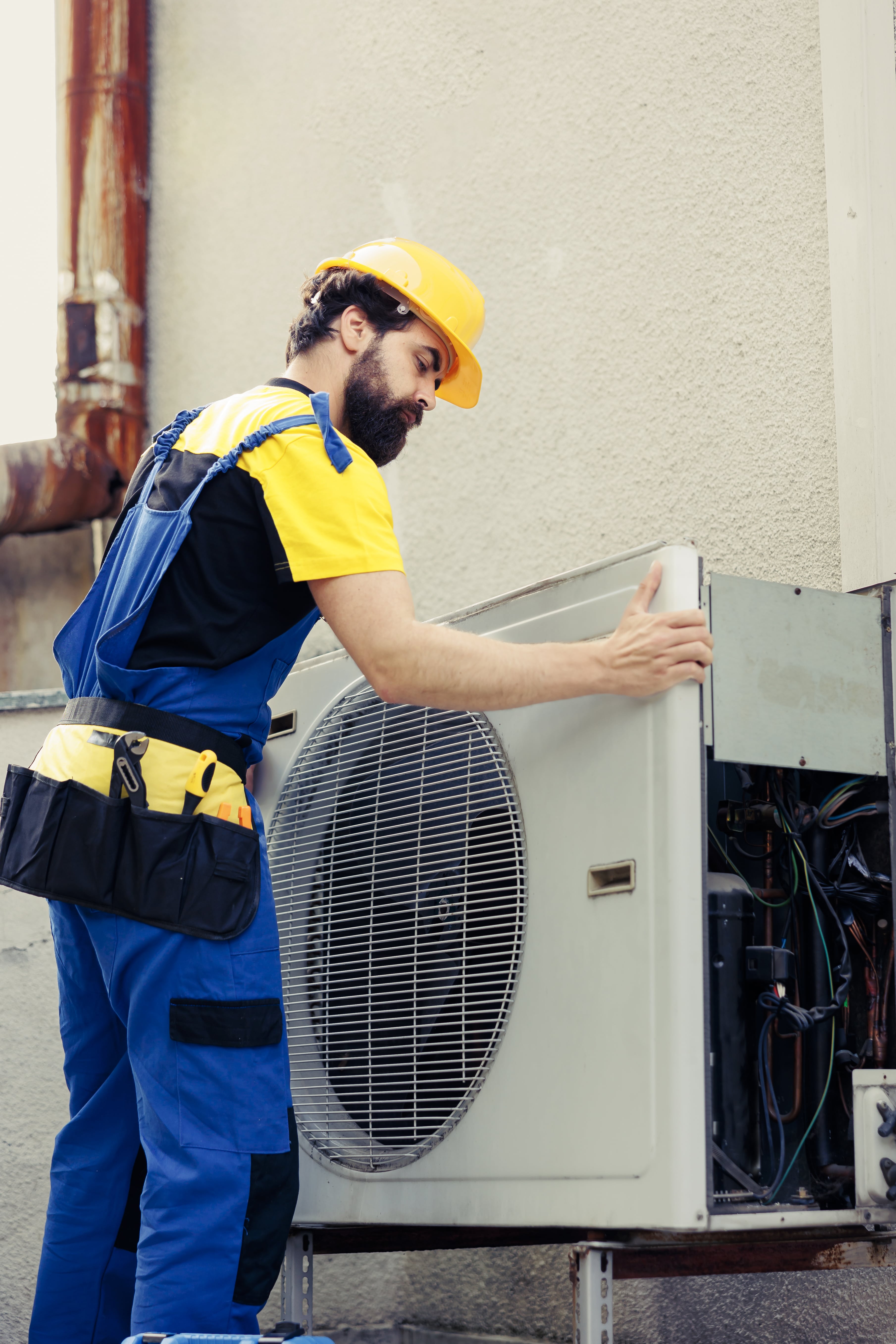
Air Conditioning Repair in Palm Springs, CA
Keeping your air conditioner running reliably in Palm Springs is essential. With sustained high temperatures, intense sun exposure, dust and occasional monsoon storms, HVAC systems here work harder than in milder climates. This page explains common AC failure symptoms in Palm Springs homes, how technicians diagnose problems, typical repairs and parts replaced, expected response times for urgent breakdowns, warranty considerations, homeowner troubleshooting tips, and what to expect when scheduling a repair.
Why timely AC repair matters in Palm Springs
Homes in Palm Springs often face extreme daytime heat for months on end. When an AC fails, indoor temperatures can become uncomfortable and quickly impact health for infants, elderly residents, and pets. Prolonged operation with a failing component can cause more damage and higher repair costs. Prompt diagnosis and repair restore cooling, prevent secondary failures, and improve energy efficiency during peak cooling months.
Common AC repair symptoms in Palm Springs
- No cold air or reduced cooling performance
- Weak or uneven airflow from vents
- Unit short-cycling (turns on and off frequently)
- Loud or unusual noises from the outdoor unit or air handler
- Foul or musty odors when the system runs
- Water leaking around indoor equipment or from the condensate drain
- System does not turn on at all or trips circuit breakers
- High indoor humidity despite the AC running
These symptoms often point to common causes such as refrigerant leaks, failed electrical components, clogged filters or coils, drainage problems, or compressor and fan motor wear from heavy seasonal use.
How technicians diagnose AC problems
A methodical diagnostic process ensures technicians find the root cause instead of just treating symptoms. Typical diagnostic steps include:
- Visual inspection of outdoor condenser and indoor air handler for debris, damage, or rodents
- Check thermostat operation and electrical panel for tripped breakers or blown fuses
- Measure airflow and temperature split between return and supply vents
- Test refrigerant pressures and temperatures to detect leaks or inadequate charge
- Inspect electrical components: capacitors, contactors, relays, fuses, and control boards
- Measure motor amp draw and verify proper voltage to compressor and fans
- Check condensate drain, pan, and float switches for clogs or backups
- Inspect coils and filter condition; perform coil access if needed for closer inspection
- Review system run history and any error codes from control boards or smart thermostats
Diagnosing thoroughly in Palm Springs often includes checking for dust and sand intrusion, corrosion from hard water or irrigation overspray, and signs of heat-related compressor stress.
Typical repairs and parts commonly replaced
- Refrigerant leak repair and recharge: locating and repairing leaks, then recharging with the correct refrigerant type
- Capacitor replacement: common failure after years of heavy cycling in hot climates
- Contactor and relay replacement: wear from frequent on/off cycles
- Fan motor or compressor replacement: motors and compressors can fail after extended high-load operation
- Evaporator or condenser coil cleaning and repair: dust and fine sand reduce heat transfer and efficiency
- Condensate drain cleaning or trap replacement: prevents water leaks and mold growth
- Thermostat replacement or recalibration: ensures correct control and efficient operation
- Control board or sensor replacements: address erratic behavior or system lockouts
- Duct sealing and minor sheet metal repairs: corrects airflow loss and uneven cooling
Because refrigerant handling is regulated, refrigerant work follows legal requirements and best practices. Many modern systems use R-410A or newer refrigerants, and technicians will confirm the correct type before any recharge.
Expected response times for urgent breakdowns
In Palm Springs, demand for cooling service peaks during heat waves. Typical response expectations are:
- Emergency same-day responses for systems that are fully down and pose health risk, weather permitting
- Next-available or same-day service for urgent but non-life-threatening failures
- Scheduled diagnostic appointments within a few days for non-urgent issues
Response times vary depending on weather, local demand, and technician availability. During prolonged heat events, appointments may fill quickly and priority is often given to systems that present immediate health or safety concerns.
Warranty and repair assurances
- Parts: Most replacement parts carry a manufacturer warranty. Warranty length depends on the part and manufacturer, so technicians will note manufacturer coverage where applicable.
- Workmanship: Standard workmanship warranties commonly cover labor for a defined period after repair. Ask for the specific terms included with the repair scope.
- Refrigerant and safety: Refrigerant repairs comply with federal and state regulations, and technicians document refrigerant handling and charge amounts.
Always request warranty details in writing before work begins so you understand what is covered and the duration of coverage for parts and labor.
Homeowner troubleshooting tips before calling for service
These safe, simple steps can help you identify or fix minor issues and may limit unnecessary service visits:
- Check thermostat: Ensure it is on Cooling mode, set below room temperature, and uses fresh batteries if applicable.
- Replace or inspect air filter: A dirty filter can reduce airflow and strain the system. Change filters regularly, especially during heavy use.
- Verify breakers and switches: Confirm the AC breaker and the outdoor unit disconnect switch are in the On position.
- Clear outdoor unit: Remove debris, leaves, or shading obstructions from around the condenser to ensure airflow.
- Inspect condensate pan and drain: If you see standing water, gently clear a visible clog or note it for the technician to prevent water damage.
- Avoid DIY refrigerant top-ups: Adding refrigerant without detecting leaks and gauging correct charge can harm the system and is regulated.
If troubleshooting does not resolve the issue, or if you detect burning smells, visible leaks, or electrical arcing, stop using the system and schedule professional repair.
What to expect during an on-site repair visit
- Arrival and safety checks: Technicians begin with safety protocols and a brief system history review.
- Diagnostic evaluation: A hands-on inspection and diagnostic testing to identify root causes.
- Clear explanation: A detailed summary of findings and recommended repair options, including parts and estimated time to complete repairs.
- Written estimates and timeframes: Expect a written scope and timeline for the repair phase.
- Completion and verification: After repairs, technicians verify proper operation, measure temperature split, and leave documentation of replaced parts and any warranties.
Technicians in Palm Springs are experienced with desert conditions and will often suggest preventive measures specific to the area, such as enhanced filtration, routine coil cleanings, and surge protection to preserve electronics during monsoon-related power events.
Preventive maintenance to reduce repair needs
Regular maintenance is the best way to extend equipment life and avoid emergency repairs in Palm Springs. Recommended practices include:
- Seasonal tune-up before the hottest months
- Regular filter changes and periodic coil cleanings
- Keeping the outdoor unit shaded but well ventilated
- Sealing ducts to minimize cooled air loss
- Monitoring system performance and addressing minor issues promptly
Proper maintenance reduces energy bills, improves comfort, and helps avoid mid-summer failures when repair demand is highest.
Customer
Testimonials
Our customers consistently praise the exceptional service and professionalism of our team. They appreciate the honest advice, meticulous work, and the care taken to ensure their satisfaction.

.webp)
Service Areas
