

Air conditioning repair services in South El Monte, CA provide fast, reliable solutions for restoring comfort during the region’s warm, dusty seasons. Skilled technicians diagnose and repair issues such as poor airflow, refrigerant leaks, and system short cycling through detailed inspections and performance testing. Services include both scheduled and emergency repairs, with transparent estimates, warranty support, and clear communication throughout the process. Every repair emphasizes safety, energy efficiency, and long-term system reliability, helping homeowners prevent future breakdowns and maintain consistent indoor comfort.

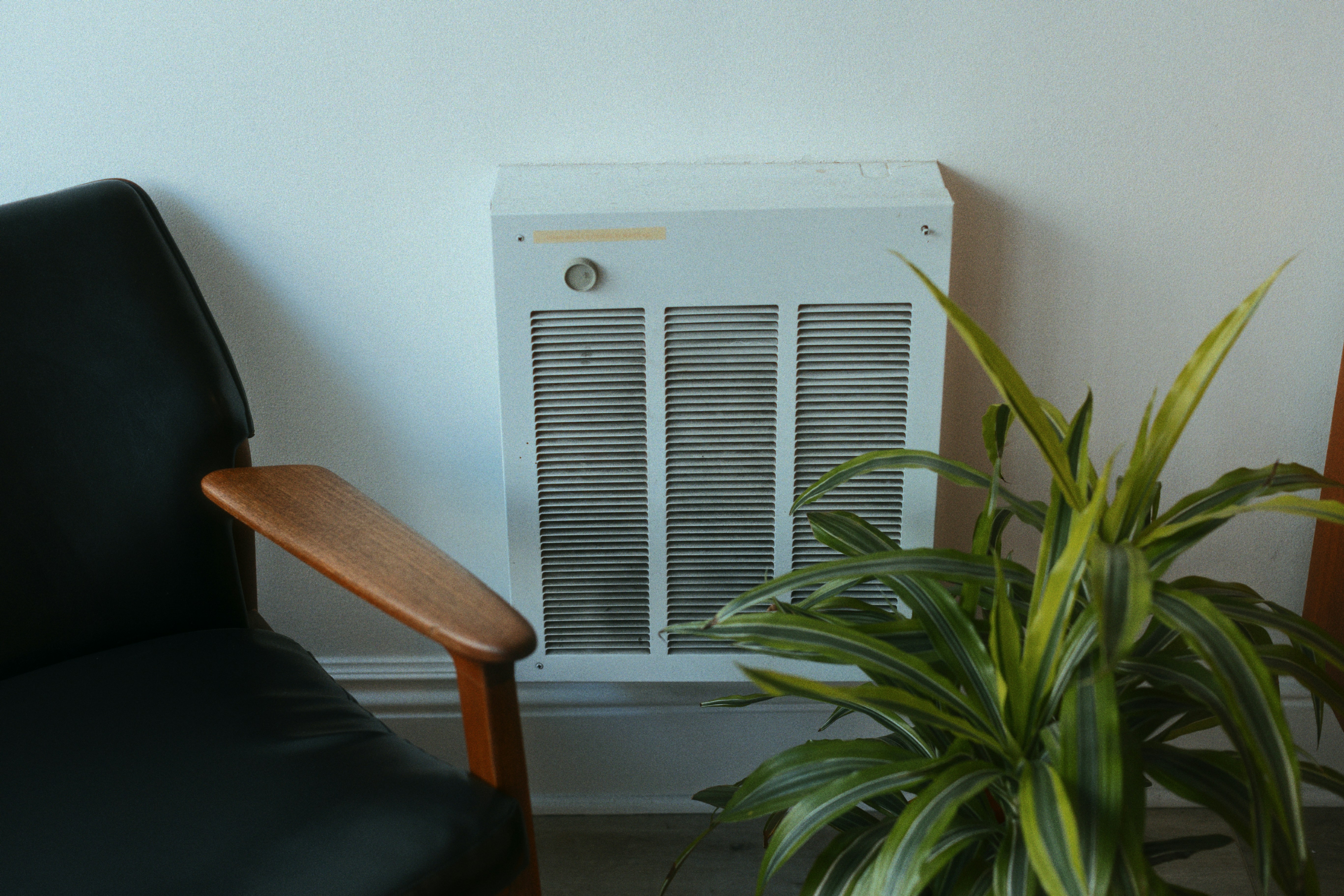
Air Conditioning Repair in South El Monte, CA
When your air conditioner fails in South El Monte, CA, the problem is not just discomfort. High summer temperatures in the San Gabriel Valley and heavy daytime use put extra stress on HVAC systems, making timely, professional AC repair essential. This page explains common AC failure symptoms, how technicians diagnose and troubleshoot issues, the difference between emergency and scheduled repairs, typical parts and labor workflows, expected response times, warranty and parts replacement considerations, pricing expectations, and practical tips to prevent future breakdowns in South El Monte homes.
Common AC Failure Symptoms in South El Monte homes
Recognizing the warning signs early can prevent major repairs and costly system replacements.
- No cool air or weak airflow: Compressor or fan problems, clogged filters, or blocked ductwork.
- Unit cycles on and off frequently (short cycling): Could be a refrigerant issue, failed capacitor, or overheating compressor.
- Unusual noises: Grinding, rattling, or banging often indicate loose components, failing bearings, or a broken blower motor.
- Warm air from vents: Compressor failure, low refrigerant, or electrical faults.
- Ice buildup on evaporator coils: Restricted airflow or low refrigerant causing coil freezing.
- Higher energy bills: Reduced efficiency from dirty coils, low refrigerant, or failing components.
- Foul or burning smells: Mold in the system, clogged drain lines, or electrical issues that require immediate attention.
- Water leaks around the indoor unit: Clogged condensate drain or damaged drain pan.
Local factor: South El Monte’s dusty air and proximity to busy roads cause faster accumulation of dirt on coils and filters, making restricted airflow and clogged condensate drains common service calls.
Diagnostic and Troubleshooting Procedures
Technicians follow a systematic approach that balances safety with efficient diagnosis.
- Initial inspection: Check thermostat settings, power to the unit, breaker panel, and visible damage to the condenser and evaporator.
- Airflow assessment: Inspect and measure airflow at vents, check filters, and examine condenser fins and coils for debris and damage.
- Electrical testing: Measure voltage, current draw on the compressor and fan motors, and test capacitors and contactors for proper operation.
- Refrigerant check: Measure system pressures to identify leaks or undercharge conditions; use leak detection tools when needed.
- Component verification: Test the compressor, fan motors, blower motor, and control board to isolate failing parts.
- Drain and humidity inspection: Confirm condensate drain flow and check for signs of mold or overflow that can cause odors and water damage.
- System performance verification: After repairs or adjustments, re-check temperatures, pressures, and cycle behavior to confirm proper operation.
Technicians will explain findings in plain language, present repair options, and outline estimated parts and labor before beginning work.
Emergency vs Scheduled Repairs
Understanding the difference helps set expectations for response and cost.
- Emergency repairs: Loss of cooling during extreme heat, electrical sparking, burning smell, refrigerant leak with a significant drop in performance, or systems causing safety hazards. These are prioritized and often require immediate attention.
- Scheduled repairs: Reduced efficiency, intermittent issues, strange noises that do not indicate imminent failure, or maintenance-based services. These can be scheduled during regular service hours and often grouped with tune-ups to reduce overall visits.
Typical emergency response windows in the area range from a few hours to the same day depending on severity and technician availability. Scheduled service appointments are commonly available within 24 to 72 hours.
Typical Parts and Labor Workflow
Most residential AC repairs follow a consistent workflow that ensures transparency and reliability.
- Arrival and inspection: Complete diagnostic, documentation of issues, and initial estimate.
- Estimate and authorization: Technicians provide an itemized estimate for parts and labor before starting major repairs.
- Parts sourcing: Use of OEM parts when available is common; aftermarket equivalents may be used depending on cost and availability.
- Repair and replacement: Replace capacitors, contactors, motors, compressors, or refrigerant components as agreed. Common parts replaced include capacitors, blower motors, fan motors, contactors, thermostats, and refrigerant lines.
- Testing and verification: Run the system through multiple cycles to ensure issues are resolved and efficiency is restored.
- Cleanup and documentation: Remove replaced parts, document warranty information, and leave a clear summary of work performed and recommendations.
Estimated repair durations:
- Capacitor or contactor replacement: 1 to 2 hours
- Fan or blower motor: 2 to 4 hours
- Refrigerant leak repair and recharge: 2 to 6 hours depending on leak location
- Compressor replacement: 4 to 8 hours, sometimes longer with hard-to-access units
Warranty and Parts Replacement Policies
Warranty coverage varies by part and provider but here are typical expectations.
- Manufacturer parts warranties: Often cover parts for 1 to 10 years depending on the component and original equipment warranty terms.
- Labor warranties: Many technicians offer limited labor warranties that commonly cover workmanship for 30 to 365 days. Verify duration and any exclusions.
- Refrigerant: Recharged refrigerant is not typically covered by warranties unless the underlying leak repair is warranted.
- Aftermarket parts: May carry shorter or different warranties than OEM components.
Ask for written warranty terms before authorizing repairs and ensure technicians register manufacturer warranties when applicable.
Pricing Expectations
Costs vary by repair complexity, parts, and system age. Typical ballpark ranges for common repairs in South El Monte:
- Filter and general cleaning: low to moderate cost
- Capacitor or contactor replacement: lower cost range
- Fan or blower motor replacement: moderate cost
- Refrigerant leak repair with recharge: moderate to higher cost depending on leak location
- Compressor replacement or major component overhaul: higher cost range
A written estimate that separates parts and labor allows you to compare options transparently. Older systems can become costly to fix repeatedly; replacing a failing system may be more economical long term.
Tips to Prevent Future Breakdowns in South El Monte
Routine care can extend system life and maintain efficiency in the local climate.
- Replace filters every 1 to 3 months during heavy use seasons.
- Schedule a professional tune-up each spring before peak cooling demand to clean coils, check refrigerant, test electrical components, and lubricate moving parts.
- Keep the outdoor condenser free of debris, leaves, and dust. Trim vegetation and clear at least 2 feet of clearance.
- Use a programmable or smart thermostat to reduce unnecessary runtime and wear.
- Inspect condensate drains annually and clear clogs to prevent overflow and mold growth.
- Consider surge protection for PCB and control boards to reduce damage from local electrical fluctuations.
- If your unit is more than 12 to 15 years old and needing frequent repairs, evaluate replacement options to improve reliability and efficiency.
Prompt attention to early signs and regular preventive maintenance is especially important in South El Monte. High summer usage accelerates wear, and local dust and pollutants increase the likelihood of clogged coils and poor airflow. Timely repair not only restores comfort but also reduces the risk of compressor failure and higher energy bills over time.
Customer
Testimonials
Our customers consistently praise the exceptional service and professionalism of our team. They appreciate the honest advice, meticulous work, and the care taken to ensure their satisfaction.

.webp)
Service Areas
