

Air conditioning installation services in South El Monte, CA cover every stage from initial consultation and precise load calculations to final commissioning and warranty documentation. Homeowners can choose from ducted, ductless, packaged, and heat pump systems, with expert guidance on selecting the best fit for their property and budget. The process includes site preparation, electrical setup, permitting, and code-compliant installation performed by certified technicians. Attention to accurate sizing, energy efficiency, and quality workmanship ensures long-lasting performance, reliable comfort, and maximum system lifespan.

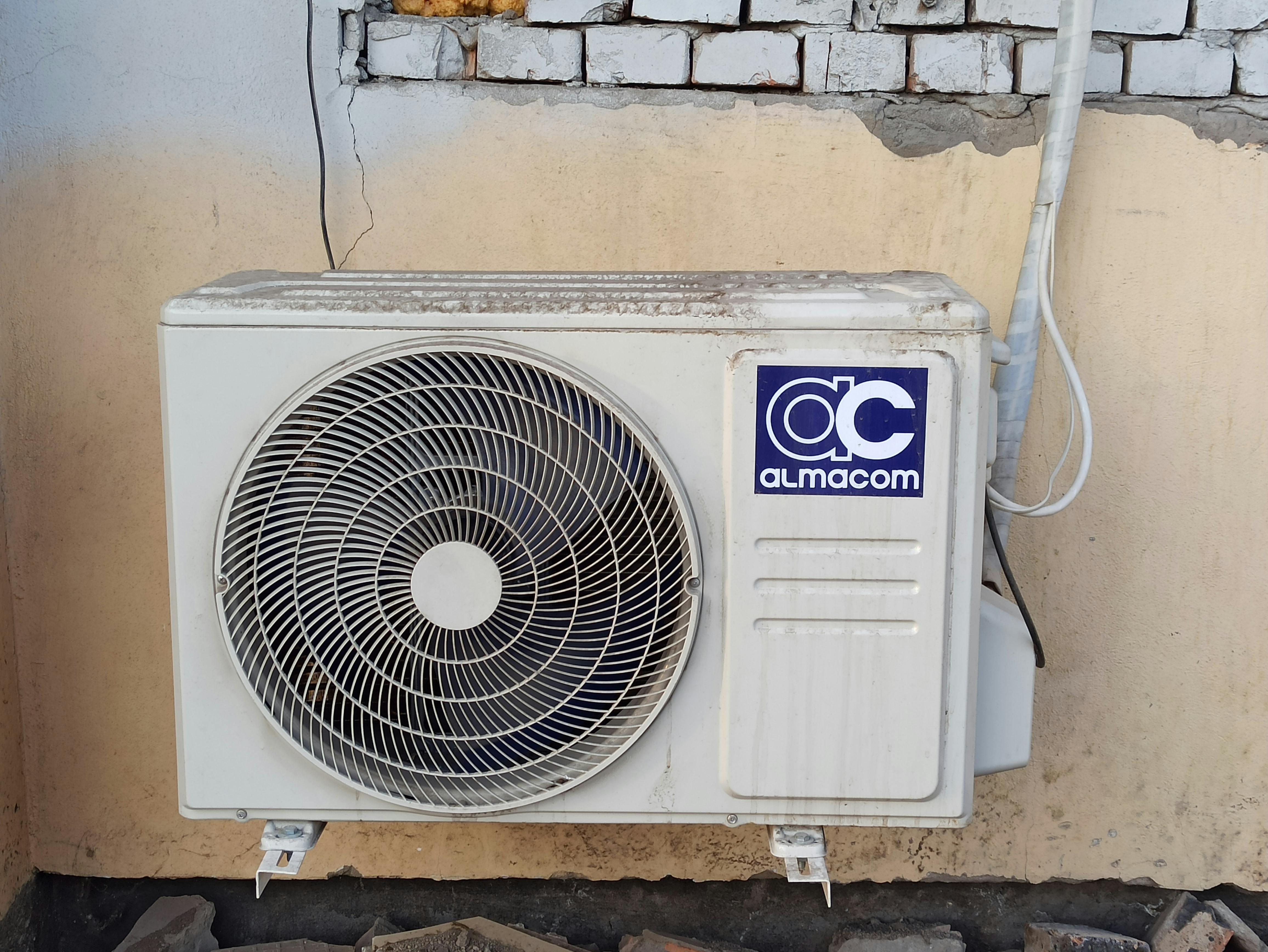
Air Conditioning Installation in South El Monte, CA
Installing a new air conditioning system is one of the most effective ways to improve comfort, reduce energy bills, and increase home value. In South El Monte, CA, where summer temperatures frequently climb and cooling demand is high, proper AC installation is especially important. This page outlines the full installation process—from the initial consultation and load calculations through commissioning, warranty handoffs, and financing or rebate considerations—so you understand what to expect and why each step matters.
Why proper installation matters in South El Monte
South El Monte homes face hot inland summer days and occasional poor air quality from the Los Angeles basin. A correctly sized, efficiently installed system keeps indoor temperatures stable, reduces humidity, and improves indoor air quality. Improper sizing, poor ductwork, or cutting corners during installation can cause higher energy bills, uneven cooling, frequent repairs, and shortened equipment life.
Common air conditioning installation types
- Ducted split-system (central AC): Condensing unit outside with an indoor air handler and duct distribution. Best for homes with existing ductwork.
- Ductless mini-split: Wall-mounted indoor units connected to an outdoor compressor. Ideal for homes without ducts or for room-by-room control.
- Package units: All components in a single outdoor cabinet, common for certain roof or curb-mounted applications.
- Heat pump systems: Provide both cooling and heating with high efficiency, often a smart choice in milder California climates.
Initial consultation and load calculations
The installation process starts with a site visit and detailed consultation. Key steps include:
- Reviewing home layout, insulation levels, window orientation, occupancy, and existing ductwork.
- Performing a load calculation (commonly referred to as a Manual J) to determine the correct system size in BTUs. This considers local climate factors like typical peak temperatures in South El Monte and solar gains.
- Assessing ductwork with a Manual D evaluation if ducts are present, or recommending ductless options if ducts are inadequate or leaky.
Accurate load calculations prevent common problems such as short cycling from oversized units or insufficient cooling from undersized equipment.
Guidance on energy-efficient unit selection
Choosing the right unit balances upfront cost, operating cost, and comfort. Key considerations:
- SEER ratings: Seasonal Energy Efficiency Ratio indicates cooling efficiency. Higher SEER numbers mean lower operating costs. In hot Southern California summers, stepping up to a higher-SEER unit yields greater savings over time.
- EER and HSPF: EER gives efficiency at specific conditions; HSPF applies to heat pump heating performance. These metrics matter if you choose a heat pump.
- Inverter/variable-speed compressors: These provide smoother temperature control, better humidity management, and reduced energy use compared with single-speed units.
- Ducted vs. ductless: Ducted systems deliver whole-house cooling if ducts are in good condition. Ductless mini-splits offer zone control, easier installation in homes without ducts, and can be more efficient in targeted applications.
- Air filtration and IAQ features: Consider systems with enhanced filtration, UV options, or ERV/HRV compatibility to address seasonal air quality concerns in the region.
Site preparation and electrical considerations
Proper site preparation ensures a reliable and code-compliant installation:
- Confirm a level, vibration-isolated pad or stand for the outdoor unit with adequate clearance for airflow and service access.
- Verify electrical service capacity and upgrade panels or circuits if required to meet the new system’s demands.
- Prepare the indoor air handler location, condensate drain routing, and any required duct modifications or insulation improvements.
- Check access for refrigerant lines and ensure minimal length runs for optimal performance.
- Review local HOA or municipal restrictions that might affect placement or visible equipment.
Professional installation steps (what the crew will do)
A professional installation typically follows these steps:
- Final site inspection and verification of load calculation results.
- Permits submitted and approved (see code considerations below).
- Removal and proper disposal of the old equipment and refrigerant per regulations.
- Install outdoor condenser and indoor air handler or mounting of ductless indoor heads.
- Run refrigerant lines, electrical wiring, and condensate piping; make duct modifications if needed.
- Evacuate the system, charge with the correct refrigerant amount, and pressure-test for leaks.
- Connect and program the thermostat or controls, integrate zoning if applicable.
- Commission the system with airflow measurements, temperature split checks, and safety control verification.
- Walkthrough and handoff of operational information and documentation.
Permit and code considerations in South El Monte
Installations in South El Monte must follow local building codes and California energy regulations. Important points:
- Mechanical, electrical, and possibly plumbing permits are typically required; inspectors may visit during installation.
- California Title 24 energy efficiency standards affect equipment choices and installation practices, including duct sealing and insulation requirements.
- Refrigerant handling must comply with federal and state regulations; certified technicians (EPA 608) should handle refrigerant recovery and charging.
- Local municipal or utility program requirements may apply if you intend to take advantage of incentives.
Post-install testing, commissioning, and documentation
Commissioning confirms the system performs as intended:
- Technicians measure airflow (CFM), verify correct refrigerant charge, check temperature differentials, and test safety controls.
- A final inspection ensures no refrigerant leaks, proper drainage, and safe electrical connections.
- You should receive documentation that includes equipment model numbers, warranty information, maintenance recommendations, and any permit or inspection records.
Warranty, maintenance handoffs, and ongoing care
After installation, clear warranty and maintenance information is essential:
- Manufacturer warranties cover parts and potentially compressors; installer warranties cover workmanship for a specified period.
- Register the equipment with the manufacturer to activate warranty benefits and document any required initial maintenance.
- Recommended maintenance includes seasonal tune-ups, filter replacement, coil cleaning, and periodic duct inspection/sealing to maintain efficiency and prevent issues in South El Monte’s climate.
- Regular maintenance extends equipment life, preserves efficiency, and helps avoid emergency repairs during peak heat.
Financing and rebate opportunities
Several pathways can reduce the net cost of a high-efficiency install:
- Utility and state incentives: California and local utility programs often offer rebates or incentives for high-efficiency equipment and heat pumps. Eligibility varies by program and equipment efficiency level.
- Manufacturer rebates: Seasonal or model-specific rebates may be available.
- Financing options: Many homeowners use energy-efficient financing, home improvement loans, or payment plans offered through third-party lenders to spread costs over time.
Verify current program details and eligibility before purchase, as incentive availability and requirements change.
Benefits of professional installation
A properly sized and installed system delivers:
- More consistent comfort with better temperature and humidity control.
- Lower energy bills through proper equipment selection and air sealing.
- Improved indoor air quality and reduced strain on the system from correct airflow and refrigerant charge.
- Longer equipment life and preserved manufacturer warranties when installation meets code and manufacturer guidelines.
In South El Monte, where summers are demanding, an expert installation tailored to your home’s layout, duct condition, and local energy considerations makes a measurable difference in comfort, efficiency, and long-term cost of ownership.
Customer
Testimonials
Our customers consistently praise the exceptional service and professionalism of our team. They appreciate the honest advice, meticulous work, and the care taken to ensure their satisfaction.

.webp)
Service Areas
