

Air conditioning repair in Santa Fe Springs, CA delivers a comprehensive, professional diagnostic and repair service designed to restore comfort quickly and protect equipment longevity. It outlines common failure modes, on-site diagnosis steps, and repair options—from minor adjustments to component replacements—with clear timelines and warranty assurances. Expect prompt responses during peak season and informed estimates for parts. Preventive maintenance tips help reduce future breakdowns, extend system life, and maintain energy efficiency, ensuring reliable comfort when Santa Fe Springs temperatures rise.

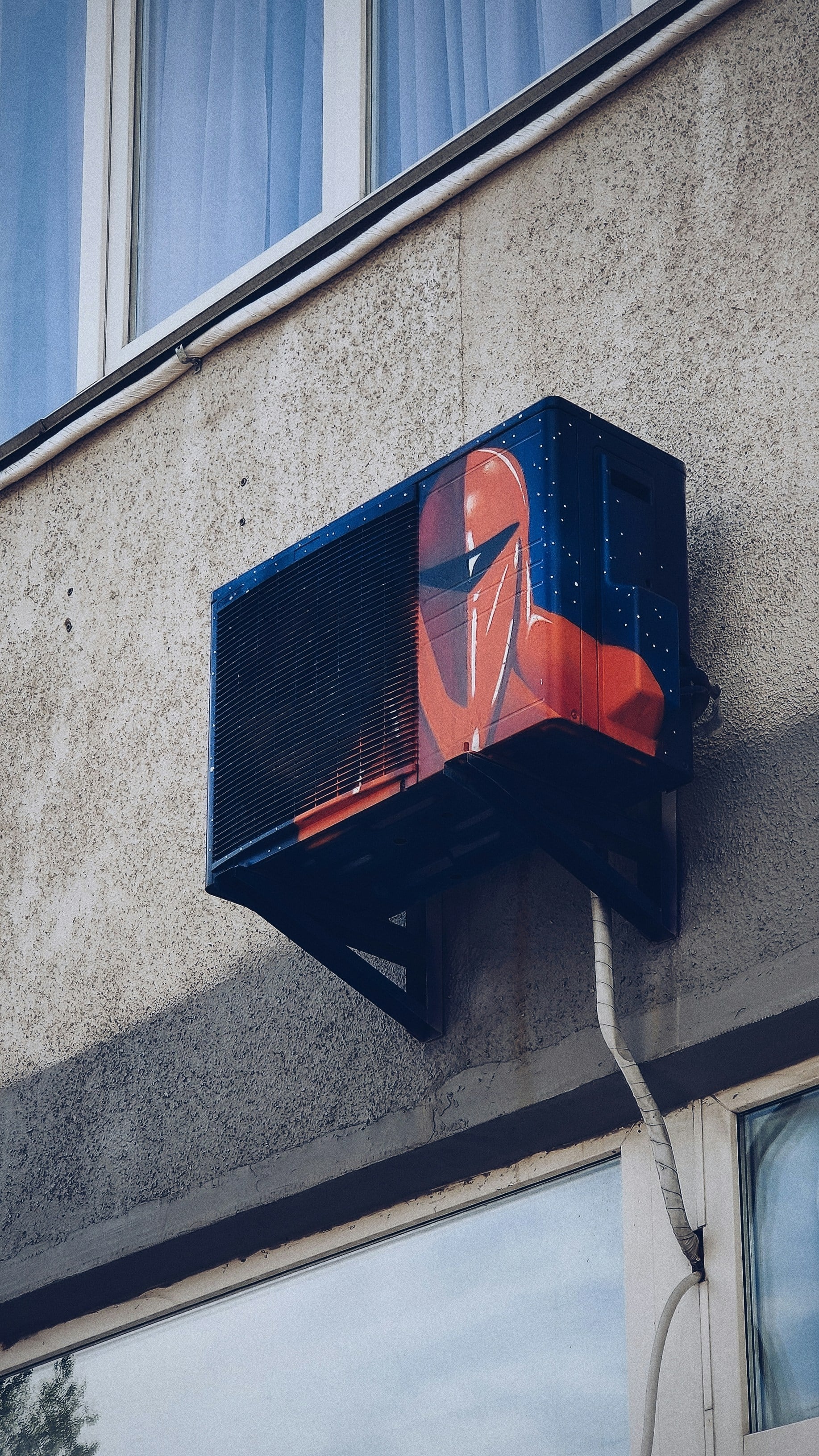
Air Conditioning Repair in Santa Fe Springs, CA
Keeping your air conditioner running reliably is essential in Santa Fe Springs, CA where hot, dry summers and occasional heat waves put heavy demand on home cooling systems. This page explains what to expect from professional AC repair in Santa Fe Springs, CA: common failure modes, how technicians diagnose problems, typical on-site repairs and parts replacement, expected response times, warranty and quality assurances you can expect, and straightforward tips to prevent future breakdowns. The goal is to help you make an informed, confident decision when your system needs service.
Why timely AC repair matters in Santa Fe Springs homes
Santa Fe Springs experiences high cooling loads during summer. When an AC fails, indoor comfort, air quality, and energy costs are affected immediately. Small issues left unaddressed can lead to compressor failure, refrigerant loss, or frozen coils—repairs that are far more expensive than routine fixes. Prompt, professional repair restores comfort while protecting your system life and lowering monthly utility costs.
Common AC failure modes in Santa Fe Springs
Understanding the usual causes helps you recognize problems early.
- Compressor problems
The compressor is the heart of the system. Signs of failure include warm air, loud grinding or clunking noises, and frequent short cycling. In hot climates like Santa Fe Springs, compressors work harder and are more prone to wear. - Refrigerant leaks
Low refrigerant leads to poor cooling and frozen evaporator coils. Modern refrigerants and environmental rules make correct identification and proper handling essential. Leaks are commonly found at fittings, coil seams, or line-set corrosion. - Electrical faults
Faulty capacitors, contactors, relays, or wiring produce clicking noises, intermittent operation, or complete systems that will not start. Electrical issues are a common cause of sudden failures. - Airflow issues
Restricted airflow from clogged filters, dirty coils, blocked vents, or failing blower motors reduces efficiency and can cause the evaporator to freeze. Dust and industrial particulates common in some Santa Fe Springs neighborhoods accelerate clogging. - Drainage and condensate problems
Clogged condensate drains or failed pumps cause water leaks and safety shutdowns. Humidity control problems can also be traced to poor drainage.
The diagnostic process: what professionals do on-site
A methodical diagnosis differentiates a quick repair from a needed replacement. Expect these steps:
- Visual inspection of indoor and outdoor units for obvious damage, oil stains (refrigerant leaks), and airflow obstructions.
- System start-up and operation checks to observe symptoms: temperature differentials, noises, cycling behavior.
- Electrical testing using meters to check capacitors, contactors, fuses, breakers, and control voltage to identify intermittent or failing electrical components.
- Refrigerant analysis with gauges to verify pressures and detect leaks; leak detection tools may include electronic leak detectors or UV dye.
- Airflow measurement and filter inspection to confirm blower operation and duct condition.
- Coil and drain inspection to check for blockage, corrosion, or contamination that can impair performance.
Clear documentation of findings helps you understand the recommended repair options and expected outcomes.
On-site repairs and parts replacement
Repair actions range from simple adjustments to component replacement:
- Minor repairs: Cleaning coils and filters, clearing drain lines, tightening electrical connections, and thermostat recalibration. These steps often restore function quickly.
- Component replacements: Common parts replaced on-site include capacitors, contactors, fan motors, blower assemblies, thermostats, expansion valves, and condensate pumps.
- Compressor replacement: If the compressor fails, technicians evaluate refrigerant compatibility, line set condition, and overall system age to determine repair versus full system replacement.
- Refrigerant service: After repairing leaks, systems are evacuated and recharged with the correct refrigerant type and charge level. Note that older R-22 systems require special handling due to phase-out and may involve retrofit or replacement decisions.
- Coil repair or replacement: Severely corroded or damaged coils may need replacement to restore efficiency.
Parts used should match manufacturer specifications to maintain system performance and warranty status.
Expected response times in Santa Fe Springs
Service availability can vary by season. Typical expectations are:
- During the peak cooling season many providers prioritize emergency heat-related failures and aim to respond same day or within 24 hours for urgent calls.
- For non-emergency repairs, most professional services schedule visits within 24 to 72 hours depending on parts availability and current workload.
- Complex repairs requiring special-order parts may extend repair timelines to several days, but technicians should provide clear estimates for parts lead time and expected completion.
Plan for higher demand during extreme heat events when scheduling flexibility may be limited.
Warranty and quality assurances to expect
When choosing a professional repair service, look for transparent warranty and quality practices:
- Manufacturer part warranties: Genuine replacement parts often carry manufacturer warranties that remain valid when installed per manufacturer guidelines.
- Workmanship guarantees: Reputable service providers back repairs with a workmanship warranty covering labor for a defined period. This protects you if issues recur due to installation errors.
- Clear documentation: Detailed repair orders listing replaced parts, serial numbers, diagnostic findings, and before-and-after system measurements protect your interests and help with future troubleshooting.
- Compliance and safe handling: Proper refrigerant handling and electrical work performed to code preserves safety and regulatory compliance.
Confirm the warranty terms and retain any paperwork for future service or warranty claims.
Tips to prevent future AC breakdowns in Santa Fe Springs
Proactive maintenance reduces emergency repairs and extends system life:
- Replace or clean filters every 1 to 3 months during heavy use to maintain airflow and indoor air quality.
- Schedule annual professional tune-ups before the cooling season to inspect refrigerant levels, test electrical components, clean coils, and check airflow.
- Keep the outdoor condenser clear of debris, vegetation, and accumulated dust common in industrial-adjacent neighborhoods.
- Seal and insulate accessible ductwork to avoid loss of cooled air and reduce blower strain.
- Use programmable thermostats to reduce runtime during less critical hours and avoid rapid temperature swings that stress system components.
- Address small odd noises, higher-than-normal energy bills, or inconsistent cooling promptly rather than waiting for total failure.
Final notes
AC repair in Santa Fe Springs, CA requires attention to local climate demands, seasonal service patterns, and the specific wear patterns common to area homes. A professional diagnostic approach, quality parts, transparent warranties, and routine maintenance together deliver reliable cooling, improved efficiency, and longer system life. Use this information to evaluate repair recommendations, understand expected timelines, and prioritize actions that protect your comfort and investment.
Customer
Testimonials
Our customers consistently praise the exceptional service and professionalism of our team. They appreciate the honest advice, meticulous work, and the care taken to ensure their satisfaction.

.webp)
Service Areas
