

Air conditioning repair in Rosemead, CA delivers expert service focused on quickly diagnosing system issues and providing clear repair options. Technicians address common local problems, performing thorough diagnostics and repairing components such as compressors, capacitors, refrigerant leaks, and electrical systems. Services include emergency response, transparent pricing, warranty support, and guidance on homeowner troubleshooting. Repairs are integrated with seasonal maintenance plans to extend equipment life, improve efficiency, and reduce long-term costs.

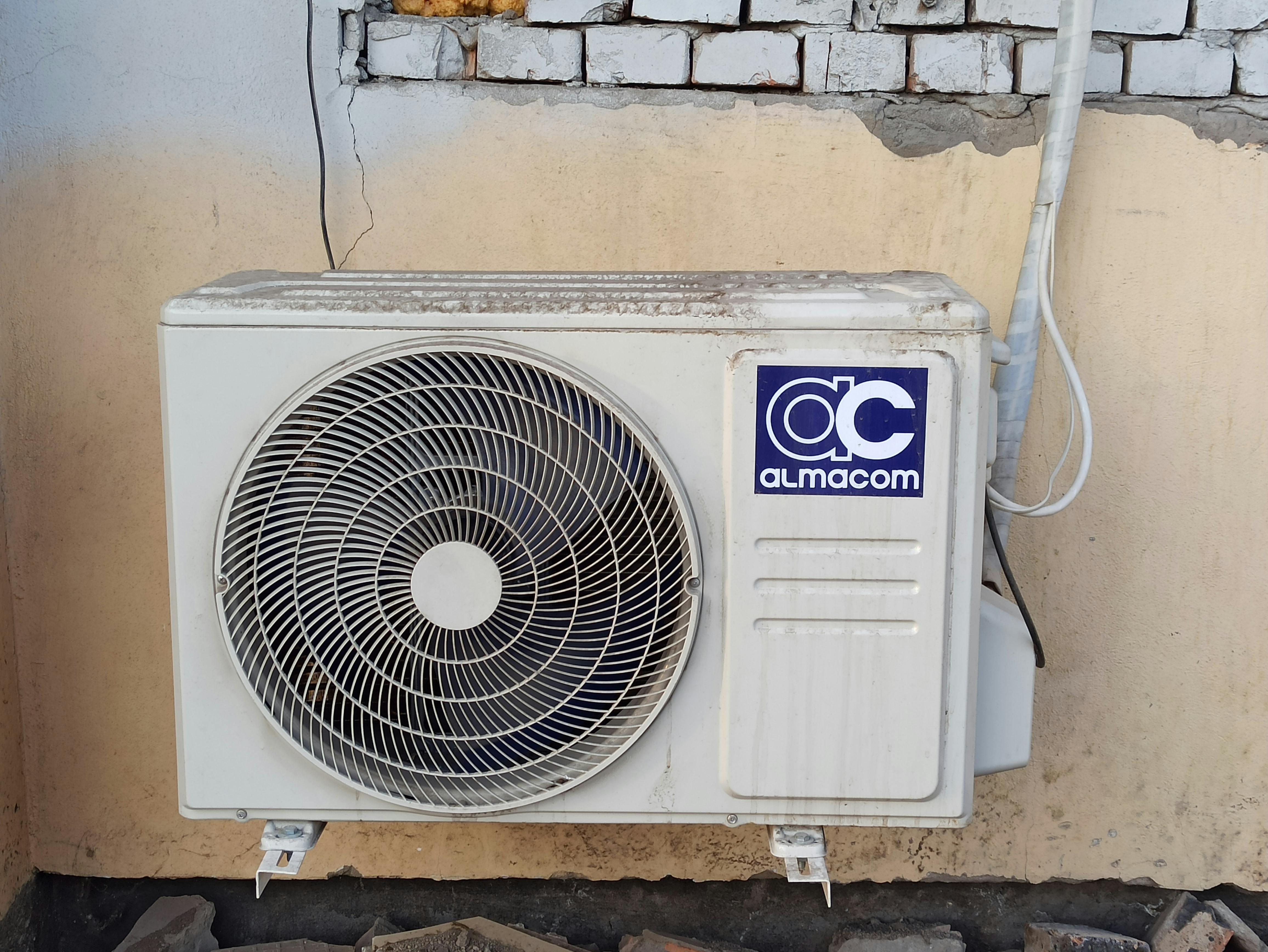
Air Conditioning Repair in Rosemead, CA
When your air conditioner fails during a hot Rosemead summer, it disrupts comfort, sleep, and daily life. Air Conditioning Repair in Rosemead, CA focuses on diagnosing symptoms quickly, offering clear repair options, and connecting repairs to long-term maintenance so your system runs reliably through heat waves and high humidity. This page explains common AC problems in Rosemead homes, the diagnostic steps technicians use, typical repair solutions, emergency and after-hours response, parts and warranty information, transparent pricing practices, homeowner troubleshooting tips, and how repairs integrate with seasonal maintenance plans.
Common AC Symptoms Rosemead homeowners see
Recognizing symptoms early helps prevent larger failures. Common AC repair issues in Rosemead include:
- No cooling or reduced cooling — indoor air is warm or not as cold as before.
- Short cycling — system turns on and off frequently, increasing wear.
- Strange noises — grinding, banging, buzzing, or rattling from the outdoor unit or ducts.
- Weak airflow — low air volume at vents despite the fan running.
- Frozen evaporator coil or frost on lines — often a sign of airflow restriction or refrigerant issues.
- Frequent tripping of breakers or electrical issues — flipping breakers, burning smells, or visible scorch marks.
- Higher than normal utility bills — decreasing efficiency due to failing components.
Diagnostic process: what to expect
A reliable AC repair starts with a systematic diagnostic to identify root causes rather than treating symptoms superficially. Typical diagnostic steps include:
- Visual inspection of indoor and outdoor units and ductwork for damage, leaks, or debris.
- Checking refrigerant pressure with gauges and looking for signs of leaks or oil residue.
- Testing electrical components: capacitors, contactors, fuses, breakers, and motor amperage.
- Measuring temperature split between return and supply air to assess system performance.
- Inspecting filters, coils, and blower wheel for airflow restrictions.
- Running a short-cycling analysis and thermostat calibration check.
Diagnostics in Rosemead must consider local factors like dust from nearby freeways, pollen, and coastal-influenced humidity that affect coil cleanliness and system performance.
Typical repair solutions and what they fix
Once the problem is identified, repairs usually fall into these categories. Each includes a plain-language explanation and typical outcomes.
- Compressor replacement or repair
- Problem: Compressor failures cause no cooling and can trip electrical protection.
- Solution: Replace the compressor or, in older systems, consider replacing the condensing unit. Proper recovery and recharge of refrigerant is required.
- Benefit: Restores cooling capacity and reduces risk of further damage to the system.
- Capacitor and contactor replacement
- Problem: Weak start/run capacitors or worn contactors cause motors not to start, humming, or short cycling.
- Solution: Replace capacitors and contactors with correctly rated parts.
- Benefit: Reliable starts, improved efficiency, and reduced electrical stress.
- Refrigerant leak detection and repair
- Problem: Low refrigerant levels lead to poor cooling and frozen coils.
- Solution: Pinpoint leaks with electronic detectors or dye, repair the leak, evacuate and recharge to manufacturer-specified refrigerant charge.
- Benefit: Restores cooling and prevents environmental release of refrigerant; note that older refrigerants may require system upgrades.
- Electrical fixes and control board repair
- Problem: Tripped breakers, damaged wiring, or faulty control boards can interrupt operation.
- Solution: Repair or replace wiring, breakers, fuses, and control boards; verify correct voltage and connections.
- Benefit: Safer system operation and prevention of intermittent failures.
- Fan motor and blower repairs
- Problem: Weak airflow, noisy operation, or overheating.
- Solution: Replace or rebuild motors, balance fan blades, clean or replace blower wheel.
- Benefit: Restores airflow and indoor comfort while reducing noise.
- Coil cleaning and airflow restoration
- Problem: Dirty coils and clogged filters reduce efficiency and cause freeze-ups.
- Solution: Deep cleaning of evaporator and condenser coils, clearing condensate lines, replacing filters.
- Benefit: Improved efficiency and longer equipment life.
Emergency and after-hours response in Rosemead
Extreme heat in the San Gabriel Valley increases demand for fast service. Emergency AC repair in Rosemead typically includes:
- After-hours diagnostics for systems that are completely down.
- Temporary measures to protect sensitive occupants (seniors, infants) such as portable cooling guidance while repairs are scheduled.
- Clear communication about safety risks (electrical issues, refrigerant exposure) so homeowners know when to avoid operating the system.
Parts, warranty, and quality assurances
Repairs use appropriately rated parts to match system specifications. Common practices include:
- Offering OEM or equivalent parts where available for compatibility and performance.
- Providing documentation of replaced parts and the work performed for warranty tracking.
- Explaining manufacturer warranty transfers or limitations for older systems.
- Warranty terms commonly cover replaced parts for a specified period and labor for a shorter window; exact terms vary by manufacturer and part type.
Transparent pricing and estimates
Clear pricing helps Rosemead homeowners make informed decisions. Typical transparent elements:
- An upfront diagnostic fee that is applied to the repair if performed.
- Itemized estimates showing parts, labor, and any permits or refrigerant recovery costs.
- Options explained for repairs versus replacement when repairs approach the value of a new system.
- Notes on seasonal factors that may affect parts availability or scheduling.
Troubleshooting tips you can try safely
Before scheduling a repair, try these homeowner checks:
- Replace or clean the filter and ensure return vents are not blocked.
- Check the thermostat settings and replace batteries or test with a different thermostat.
- Verify the circuit breaker has not tripped and check outdoor unit power switches.
- Clear debris away from the outdoor unit and ensure at least 2 feet of clearance.
- Do not attempt to handle refrigerant lines, electrical components, or open panels. These are hazardous and require a trained technician.
How repairs tie into AC maintenance plans
Combining repairs with regular maintenance reduces repeat breakdowns. In Rosemead, a preventive maintenance plan typically includes:
- Seasonal tune-ups before summer and winter usage peaks.
- Priority scheduling for members during high-demand periods.
- Discounted diagnostic fees or parts pricing for enrolled systems.
- Documentation of repairs and performance baseline to spot future issues earlier.
Timely repairs plus routine maintenance extend equipment life, improve efficiency during Rosemead heat, and lower overall operating costs.
Timely, well-documented Air Conditioning Repair in Rosemead, CA prevents minor faults from becoming major failures, preserves indoor comfort during peak heat, and helps you choose the most cost-effective path forward — repair or replacement — based on clear diagnostics, parts and warranty information, and maintenance-based prevention.
Customer
Testimonials
Our customers consistently praise the exceptional service and professionalism of our team. They appreciate the honest advice, meticulous work, and the care taken to ensure their satisfaction.

.webp)
Service Areas
