

Air conditioning installation in Rosemead, CA offers a comprehensive, start-to-finish approach to ensure comfort, efficiency, and reliability. The process begins with a detailed site assessment, including Manual J load calculations, duct and electrical inspections, and local permitting requirements. Equipment options range from high-efficiency split systems and ductless mini-splits to heat pumps, with tailored ductwork and compliance with Title 24 standards. Installation also includes system commissioning, warranty registration, guidance on ongoing maintenance, and available financing to support long-term performance and energy savings.

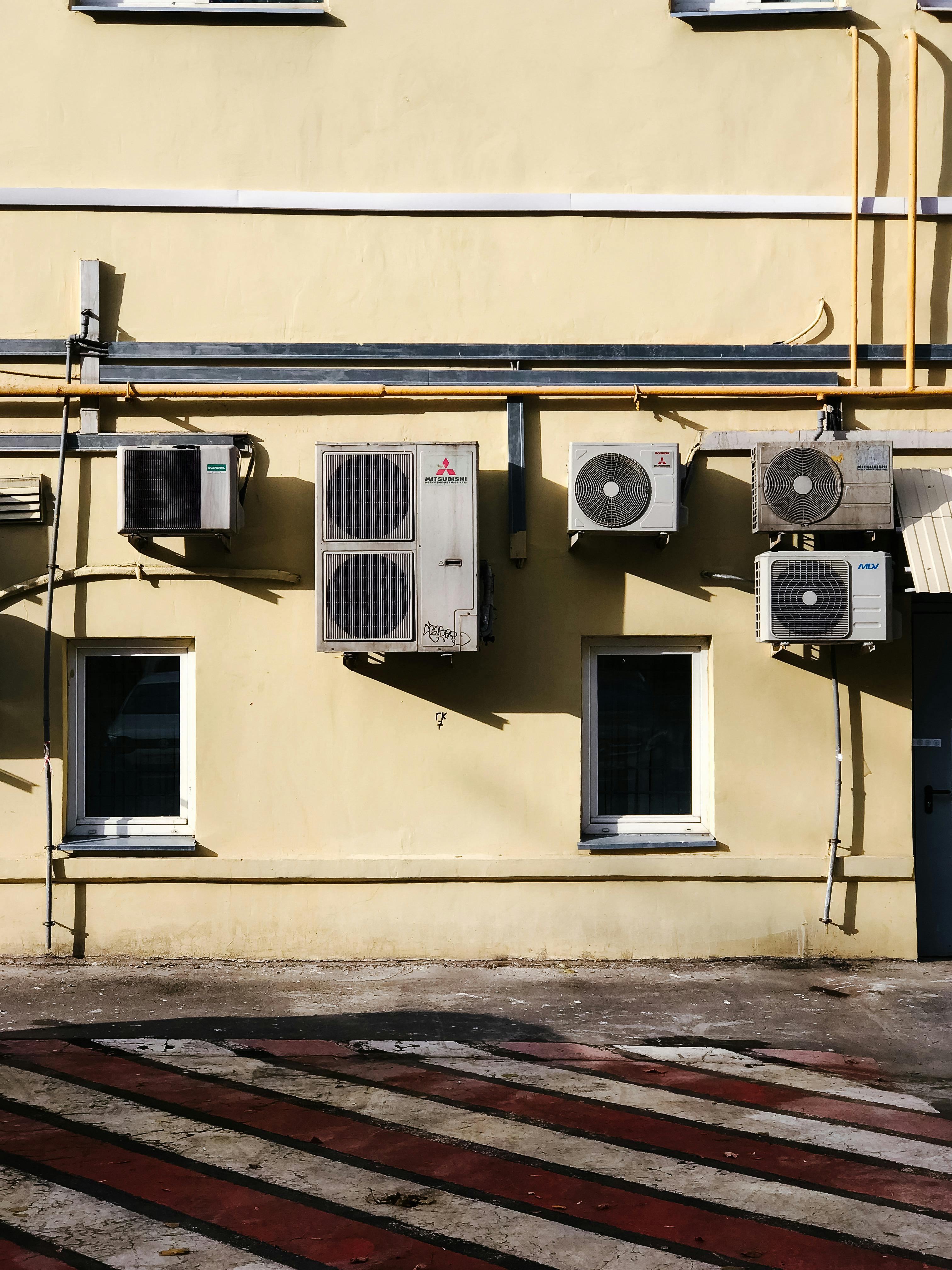
Air Conditioning Installation in Rosemead, CA
Installing a new air conditioning system is one of the most effective ways to improve comfort, indoor air quality, and energy efficiency in Rosemead, CA homes. With warm summers in the San Gabriel Valley and occasional heat waves, a properly sized, code-compliant system reduces humidity, lowers energy bills, and extends appliance life. This page explains the end-to-end air conditioning installation process for Rosemead homeowners: what to expect during assessment and permitting, equipment options, ductwork and electrical needs, a step-by-step installation timeline, commissioning checks, warranty and care, and how estimates and financing typically work.
Why a tailored installation matters in Rosemead
Rosemead experiences hot, dry periods and nights that can remain warm, which affects cooling load and system run times differently than coastal areas. Many local homes are older and may have undersized or leaky duct systems, limited attic access, or electrical panels that need upgrades. A tailored installation accounts for these local challenges so the new system performs efficiently and reliably in area-specific conditions.
Common air conditioning installation types and issues in Rosemead
- Central air conditioning replacement for older split systems
- New installations for homes without existing ductwork, including ductless mini-splits
- Heat pump installations for combined heating and cooling efficiency
- Duct repair, sealing, and insulation upgrades
- Electrical service upgrades to handle modern high-efficiency compressors
- Permitting and Title 24 compliance for energy code requirements
Common problems addressed at installation include undersized equipment, poor airflow from leaky ducts, improper refrigerant charge, insufficient electrical capacity, and thermostat or controls mismatches.
Initial site assessment and load calculations
A reliable installation begins with a thorough site assessment. Technicians perform:
- Manual J load calculations to determine the correct cooling capacity based on your home size, insulation, window orientation, and Rosemead climate factors
- Duct evaluation for size, leakage, and insulation levels
- Electrical panel inspection to confirm available capacity and circuit requirements
- Roof, attic, and exterior space review for outdoor unit location, clearances, and noise considerations
Accurate load calculations prevent oversizing or undersizing, both of which reduce comfort and increase operating costs.
Equipment selection: efficiency and options
Equipment choices common in Rosemead include:
- High-efficiency split systems with SEER ratings that meet or exceed California requirements
- Variable-speed compressors for better humidity control and quieter operation
- Ductless mini-splits for homes without ducts or for room-specific cooling
- Heat pumps for year-round efficiency, especially in mild Southern California winters
- ENERGY STAR certified models and systems compatible with smart thermostats
Selection factors include efficiency, capacity, indoor air quality features, available space, and compatibility with existing ductwork and electrical service.
Ductwork and electrical considerations
Proper ductwork and electrical setup are essential:
- Ductwork: sealing, repairing, and insulating ducts improves airflow and reduces energy loss. In many Rosemead homes, addressing attic duct leakage and adding proper insulation makes a significant efficiency impact.
- Electrical: modern AC units often require a dedicated circuit and a disconnect near the outdoor unit. Panel capacity may need an upgrade to comply with safety codes and accommodate the new load.
- Refrigerant lines and proper routing must be planned to minimize energy loss and meet manufacturer specifications.
Permitting and code compliance
Installations in Rosemead must comply with California energy codes and local building requirements. Typical compliance steps:
- Securing local building permits before work begins
- Meeting Title 24 energy efficiency requirements for equipment and installation practices
- Ensuring technicians hold required contractor licenses and EPA 608 refrigerant certificationsPermitting times vary, so allow this into the project timeline when planning a replacement.
Step-by-step installation timeline
- Finalize equipment selection and obtain permits
- Schedule equipment delivery and any required structural or electrical prep
- Remove existing equipment and dispose of refrigerant per regulations
- Modify or install ductwork and insulation as needed
- Mount and install indoor and outdoor units; run refrigerant lines and wiring
- Make electrical hookups, install disconnects, and secure power
- Evacuate, leak-test, and charge the refrigerant system
- Balance airflow, set thermostat controls, and perform startup procedures
- Complete commissioning tests and homeowner walkthrough with operation guidance
Small, straightforward replacements can often be completed in one to two days. Complex installs that require duct replacement, extensive electrical work, or permit delays may take longer.
Post-installation testing and commissioning
Thorough commissioning confirms the system is operating as designed:
- Verify correct refrigerant charge and pressures
- Measure supply and return airflow and static pressure
- Check temperature split across the evaporator coil
- Test electrical connections and startup amperage
- Validate thermostat settings, zoning, and control communication
- Inspect condensate drainage and safety controls
Documented testing ensures peak performance and supports warranty coverage.
Warranty and care instructions
Most installations include manufacturer warranties for equipment and separate workmanship coverage for installation. Homeowners should:
- Keep warranty paperwork and installation records
- Schedule annual maintenance visits for filter replacement, coil cleaning, and refrigerant and electrical checks
- Change filters regularly and keep outdoor unit clear of debris and vegetation
- Maintain attic insulation and seal duct joints to preserve efficiency
Regular maintenance preserves manufacturer warranties and extends system lifespan.
Estimates and financing options
A comprehensive estimate typically breaks down:
- Equipment cost (unit and accessories)
- Labor for removal and installation, ductwork, and electrical work
- Permit fees and required inspections
- Any additional work such as panel upgrades or structural adjustments
Financing options are often available through third-party lenders or manufacturer programs, and local utility rebates or state incentives for high-efficiency equipment may apply. When comparing estimates, review equipment efficiency, warranty terms, and the scope of work to ensure apples-to-apples comparisons.
Benefits of a professional installation and ongoing maintenance
A proper air conditioning installation tailored to Rosemead conditions delivers:
- Improved comfort and humidity control during hot months
- Lower monthly energy bills through better efficiency and sealed ductwork
- Longer system life and fewer unplanned repairs
- Safer operation and compliance with local codes
Regular maintenance and timely upgrades to controls and insulation protect your investment and keep systems running efficiently in the San Gabriel Valley climate.
Customer
Testimonials
Our customers consistently praise the exceptional service and professionalism of our team. They appreciate the honest advice, meticulous work, and the care taken to ensure their satisfaction.

.webp)
Service Areas
