

Expert air conditioning repair in City of Industry, CA focuses on fast, accurate diagnostics and dependable restoration of indoor comfort. Technicians address common issues such as refrigerant leaks, compressor or electrical failures, drainage blockages, and restricted airflow, using a structured diagnostic process to identify root causes efficiently. Services include emergency after-hours repairs, detailed cost and labor breakdowns, and certified technician support. Emphasis is placed on safety, code compliance, preventive maintenance, and helping homeowners determine when repair or replacement is the most cost-effective choice for lasting performance and reliability.

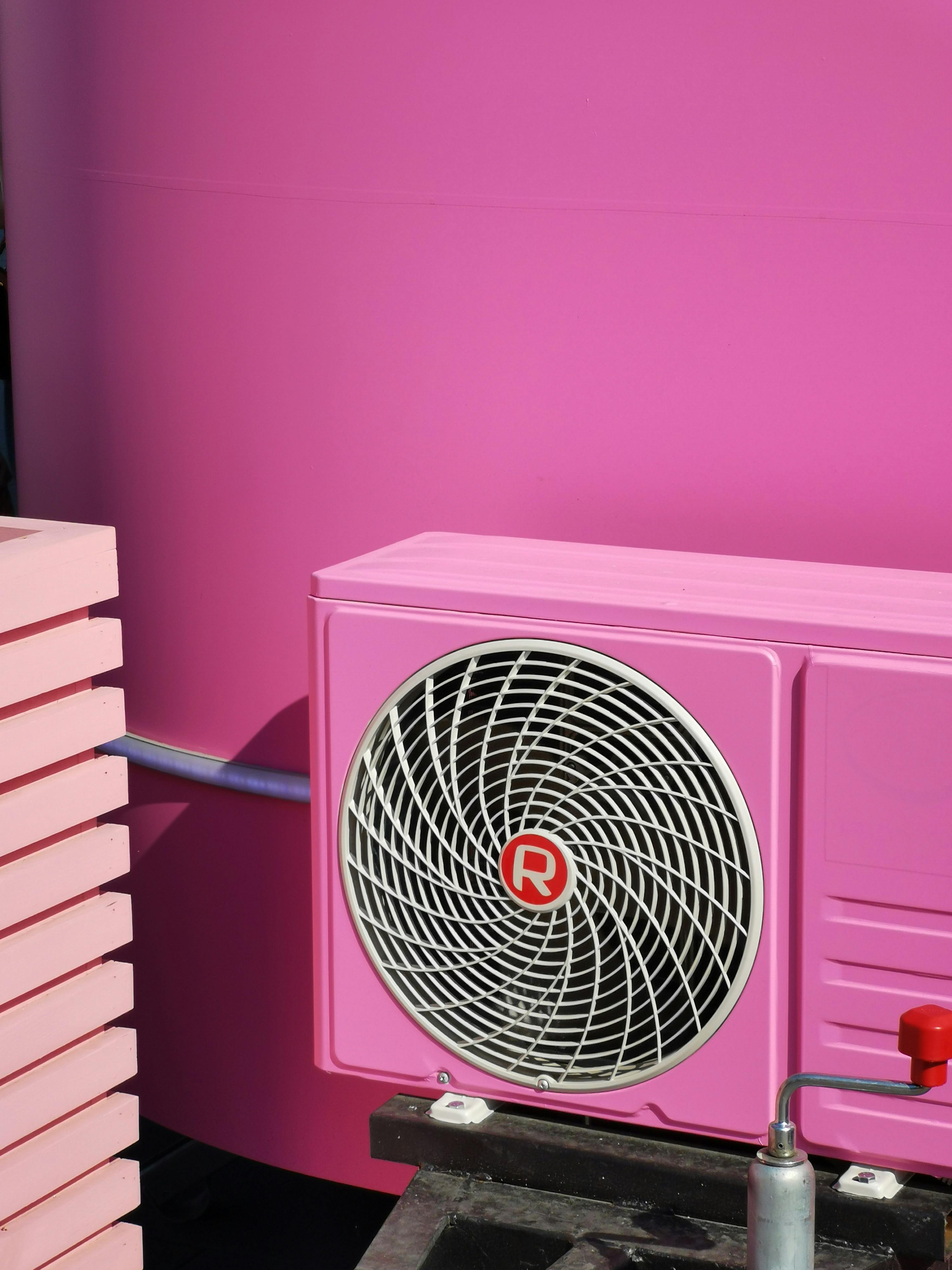
Air Conditioning Repair in City of Industry, CA
When your air conditioner fails in City of Industry, CA, the consequences are immediate: uncomfortable indoor temperatures, disrupted routines, and possible risks to vulnerable family members or temperature-sensitive equipment. Air Conditioning Repair in City of Industry, CA focuses on diagnosing the real cause quickly and restoring reliable cooling with safety and code-compliant work. City of Industry homes and light commercial properties face hot inland summers, heavy AC workloads, and industrial air contaminants that accelerate wear—so timely, expert repair matters.
Common air conditioning repair issues in City of Industry
Many calls for AC repair in this area stem from similar root problems. Recognizing common symptoms helps prioritize diagnostics.
- No cooling or reduced cooling capacity
- Causes: clogged filters, restricted airflow, dirty evaporator or condenser coils, thermostat failure, low refrigerant, or compressor problems.
- Refrigerant leaks
- Causes: corroded fittings, vibration damage in older line sets, or failed service ports. Local smog and industrial pollutants can promote corrosion.
- Compressor failure
- Causes: electrical damage, locked rotor, overheating from low refrigerant, or refrigerant contamination. Compressor issues are often the most costly and change the repair vs replacement decision.
- Electrical faults
- Causes: failed capacitors or contactors, loose wiring, tripped breakers, or aged control boards. Frequent cycling and power surges in industrial areas can accelerate electrical wear.
- Drainage and condensation problems
- Causes: clogged condensate drains, mold growth, or improper condensate slope causing water damage or safety shutdowns.
- Airflow problems
- Causes: damaged blower motors, duct obstructions, or poorly sealed ductwork.
Emergency and after-hours response
In hot City of Industry summers, emergency repairs are critical. Typical emergency response protocols include:
- Immediate phone triage to assess symptoms and safety risks (smoke, burning smells, electrical sparking, refrigerant odor).
- Remote guidance to stabilize the system: shut down power at the breaker if there are electrical hazards, run fans for ventilation if safe, or place temporary window units for extreme cases.
- On-site triage visit to isolate the fault, perform temporary isolating repairs when possible (replace a capacitor, bypass a failed contactor), and recommend a follow-up plan for permanent fixes.
Expect emergency technicians to prioritize safety—isolating electrical risks, securing leaks, and restoring partial cooling when a full repair requires additional parts or permits.
Step-by-step diagnostic and repair procedure
A structured diagnostic approach reduces unnecessary parts replacement and gets systems back to reliable operation.
- Initial inspection and symptom confirmation
- Verify thermostat settings, return airflow, and user observations. Visual check of the outdoor unit, indoor coil access, and condensate lines.
- Electrical safety and basic tests
- Turn off power, check fuses/breakers, measure voltages, inspect contactors and capacitors for visible damage.
- Airflow and mechanical checks
- Inspect air filter, blower wheel, motor operation, duct system for blockages, and register condition.
- Refrigerant system evaluation
- Measure pressure and temperatures, look for evidence of leaks, perform leak detection (electronic or tracer dye), and test compressor operation.
- Component-level repair or replacement
- Replace failed capacitors, contactors, thermostats, or blower motors. For refrigerant leaks: isolate, pressurize and dye-test, repair line-set or coil, evacuate and recharge with correct refrigerant and proper oil if required. For compressor failure: assess whether compressor replacement or full system replacement is best.
- Performance verification
- Re-check pressures, subcooling and superheat where applicable, airflow, and temperature drop across the evaporator. Confirm safe, code-compliant operation.
- Documentation and next steps
- Provide a clear summary of work performed, parts installed, and recommended follow-up maintenance.
Parts, labor, and what affects a repair
Common parts encountered in AC repair include capacitors, contactors, thermostats, blower motors, expansion valves, condenser fan motors, compressor assemblies, evaporator or condenser coils, and line-set components. Parts may be OEM or aftermarket; older systems may require hard-to-find components that increase lead time.
Labor covers diagnostic time, system access, removal and replacement, leak testing, evacuation, and charging. Factors that influence labor complexity:
- System age and accessibility (rooftop vs ground-level, split system vs packaged)
- Extent of refrigerant recovery and recharging required
- Need for brazing, vacuum pumps, and nitrogen pressure tests
- Permit or inspection requirements for larger refrigerant or electrical work
Parts availability and permit timelines can extend total repair time, especially for older or discontinued equipment.
Expected timelines (typical)
- Minor electrical or component swaps (capacitor, contactor, thermostat): often completed in a few hours.
- Refrigerant leak location and repair: may take several hours to a full day depending on access and extent of leak repair and testing.
- Compressor replacement: typically a half to full day when parts are on hand; may extend if the system requires evacuating and refilling or if the condenser and evaporator need replacement.
- Complex diagnostics with multiple failures or restricted access: may require multiple visits for parts ordering and follow-up testing.
Note: Peak summer demand in City of Industry can extend wait times; permit requirements can also affect multi-day repairs.
Technician certifications and compliance
Quality repairs rely on certified technicians with documented training and licensing:
- EPA Section 608 certification for handling refrigerants is legally required in the U.S.
- NATE certification indicates technician-level system knowledge and troubleshooting proficiency.
- California C-20 HVAC contractor license or equivalent ensures compliance with state contractor rules and permitting.
- Knowledge of local codes, safe refrigerant handling procedures, and manufacturer service manuals is essential—particularly for older systems or units that use phased-out refrigerants.
When to repair versus replace
Deciding whether to repair or replace involves evaluating multiple factors:
- Age of the system: Systems under about 10 to 12 years are often good candidates for repair; older systems approaching 12–15 years typically warrant replacement consideration.
- Type of failure: A single inexpensive component failure favors repair. Repeated compressor or sealed-system failures, extensive leaks, or failed coils often push toward replacement.
- Refrigerant type: Units using R-22 (no longer manufactured for new equipment) are increasingly costly to recharge; replacement is often recommended when R-22 service is required.
- Energy efficiency and comfort: If the unit has poor efficiency (low SEER) or cannot meet comfort needs even after repairs, replacement improves long-term operating costs.
- Frequency of past repairs: If repair visits have been frequent within a short span, replacing the system usually makes more economic sense over its remaining life.
Consider the total lifecycle cost—efficiency gains, reduced downtime, and potential rebate or efficiency programs—when weighing options.
Preventive advice and benefits of timely repair
Routine maintenance maximizes life and reduces emergency repairs in City of Industry’s demanding climate:
- Seasonal inspections in spring and fall to clean coils, check refrigerant charge, and verify electrical components
- Regular filter changes and keeping the outdoor unit clear of debris and industrial dust
- Duct inspections to maintain airflow and prevent energy loss
- Promptly addressing small issues (squeaks, odd noises, higher energy use) before they escalate
Timely repairs preserve comfort, improve energy efficiency, reduce the risk of catastrophic failure, and protect indoor air quality—critical benefits for homes and businesses in City of Industry, CA.
Customer
Testimonials
Our customers consistently praise the exceptional service and professionalism of our team. They appreciate the honest advice, meticulous work, and the care taken to ensure their satisfaction.

.webp)
Service Areas
