

Air Conditioning Maintenance in City of Industry, CA outlines a proactive program to reduce breakdowns, improve comfort, and lower operating costs amid dusty industrial environments. The guide covers recommended maintenance intervals, preventive visits, inclusive documentation, and member benefits such as priority service and discounts. It details typical inspections, safety checks, performance testing, cleaning, and record-keeping, plus energy-saving outcomes from clean coils, proper refrigerant charge, and well-tuned thermostats. Regular, documented care extends system life and minimizes costly emergency repairs for local customers.

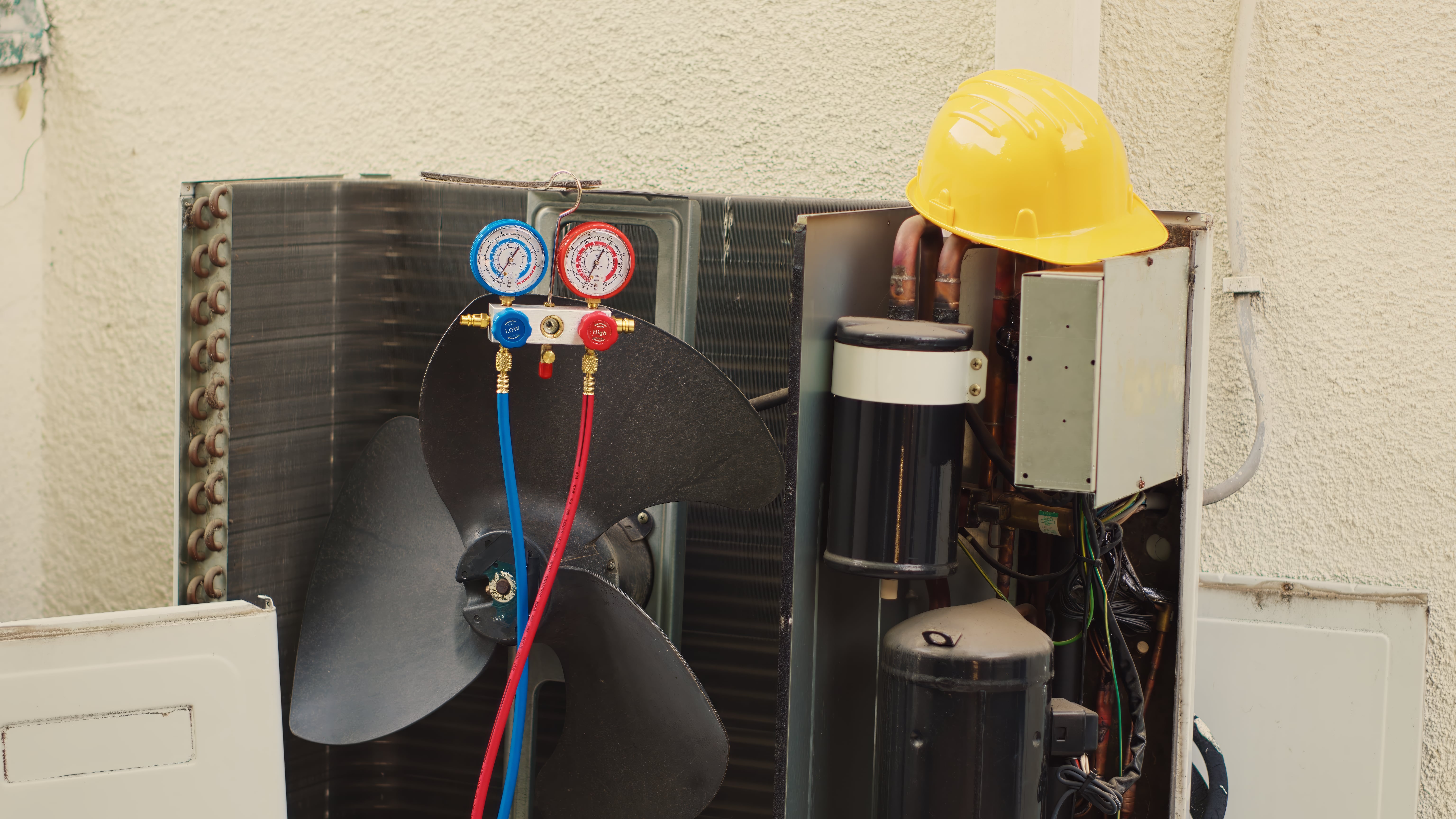
Air Conditioning Maintenance in City of Industry, CA
Keeping your air conditioning running reliably during City of Industry summers means proactive care, not emergency fixes. Regular Air Conditioning Maintenance in City of Industry, CA reduces breakdown risk, improves comfort, and lowers operating costs—especially important here where high summer temperatures, frequent use, and industrial airborne dust place extra stress on systems. This page explains recommended maintenance intervals, what preventive visits include, member benefits like priority service and discounts, the documentation you receive, and how routine maintenance translates into energy savings and fewer costly repairs.
Why scheduled AC maintenance matters in City of Industry
City of Industry homes and businesses typically run air conditioners for long stretches during warm months. Local factors that increase maintenance needs:
- Hot inland climate leads to prolonged run times and higher system wear.
- Industrial activity and heavy truck traffic increase airborne particulates that clog filters and coils.
- Older housing stock and duct systems commonly found in the area can reduce efficiency without regular upkeep.
Routine maintenance addresses these local challenges before they become failures that cost significantly more to repair.
Common air conditioning maintenance issues in City of Industry
- Dirty filters and condenser coils from dust and industrial particles, causing reduced airflow and heat transfer.
- Low refrigerant or slow leaks from aging lines, producing poor cooling and higher compressor stress.
- Clogged condensate drains leading to water damage and indoor humidity problems.
- Worn blower motors and belts that reduce airflow and raise energy use.
- Thermostat and control calibration drift, causing inconsistent temperatures and short cycling.
- Deteriorated duct seals resulting in conditioned air loss and reduced comfort.
Understanding these common issues helps explain why preventive care is more cost-effective than reactive repairs.
What an ongoing AC maintenance program includes
A comprehensive AC maintenance program in City of Industry focuses on preventive service and clear documentation. Typical inclusions:
- System inspection
- Visual and operational check of indoor and outdoor units, wiring, and mounting.
- Safety checks
- Electrical connections, fuses, capacitors, and controls tested for safe operation.
- Performance testing
- Refrigerant levels, superheat/subcooling, airflow, and temperature split recorded to verify efficiency.
- Cleaning
- Filter replacement or cleaning, coil cleaning, and clearing debris from the outdoor condenser.
- Parts inspection and preventive replacement
- Belts, contactors, capacitors, and other wear items evaluated; common parts replaced as needed.
- Condensate and drainage service
- Drain lines cleared and trap function checked to prevent clogs and overflows.
- Thermostat calibration and control check
- Ensure accurate sensing and proper cycling; include smart thermostat diagnostics if present.
- Documentation and service records
- Detailed visit report with readings, performed tasks, and recommendations for future care.
Each preventive visit is designed to find small problems early so they do not turn into major repairs.
Recommended maintenance intervals for City of Industry systems
- Residential cooling systems: annual tune-up before the cooling season is the baseline. For homes with heavy use or visible dust pollution, consider biannual service (spring and late summer).
- Commercial or multifamily systems: quarterly or biannual maintenance depending on run hours and occupancy.
- Older systems (over 10 years): increase frequency to every 6 months to monitor components nearing end of life.
Regular intervals keep performance data fresh, making it easier to spot gradual declines and optimize efficiency.
What to expect during a preventive visit: step-by-step
- Intake and system history review to note previous issues or recurring concerns.
- Replace or inspect air filters and check indoor air quality devices.
- Clean outdoor coil and cabinet, clear vegetation and debris around condenser.
- Measure electrical components and verify safe connections.
- Check refrigerant pressure and compressor operation; identify potential leaks.
- Test airflow and blower motor function; inspect ducts for obvious issues.
- Calibrate thermostat and run a full performance cycle to confirm cooling capacity.
- Provide a written report with recommended repairs, replacement timelines, and energy observations.
This diagnostic process produces actionable records and a performance baseline for future visits.
Priority service, plan member discounts, and documentation
Enrollment in a maintenance program typically includes several member-focused benefits that matter at the decision stage:
- Priority scheduling during peak season so urgent repairs occur faster.
- Discounted rates on diagnostic visits, repair labor, and common replacement parts.
- Waived trip fees for covered tune-ups, reducing the cost of preventive care.
- Comprehensive service records that simplify warranty claims and provide clear maintenance history for resale.
These advantages reduce both the likelihood and cost of emergency breakdowns and support long-term system reliability.
How maintenance lowers energy bills and avoids costly repairs
- Improved airflow and clean coils reduce compressor run time, often cutting energy use by up to 10-20% compared to neglected systems.
- Correct refrigerant charge and calibrated controls maintain designed efficiency, avoiding short cycling that increases wear.
- Early replacement of capacitors, contactors, and belts prevents compressor failures—the most expensive component replacement.
- Clear condensate drains and sealed ducts prevent moisture damage and the mold-related fixes that raise indoor air quality concerns and repair bills.
Regular, documented maintenance protects the largest component of AC lifecycle cost: operating expense. Over the lifetime of the system, routine care extends equipment life and reduces the total cost of ownership.
Practical maintenance tips for City of Industry homeowners
- Change or inspect filters every 1-3 months; more often if you live near industrial corridors or have pets.
- Keep the outdoor condenser free of debris, plants, and trash to maintain airflow.
- Consider higher-efficiency filtration or add a media filter if air quality concerns are significant.
- Shade the outdoor unit without blocking airflow to reduce heat load.
- Schedule your seasonal tune-up before the first heat wave to ensure reliable cooling.
Consistent, documented maintenance is the easiest way to maintain comfort, lower bills, and avoid disruptive breakdowns in City of Industry homes and businesses. Regular service delivers measurable performance improvements and peace of mind tailored to local conditions.
Customer
Testimonials
Our customers consistently praise the exceptional service and professionalism of our team. They appreciate the honest advice, meticulous work, and the care taken to ensure their satisfaction.

.webp)
Service Areas
