

Air conditioning repair in Chino Hills, CA focuses on diagnosing and addressing common failures like refrigerant leaks, compressor problems, electrical faults, and duct or airflow issues. A professional process reviews system history, inspects outdoor units, tests electrical components, checks refrigerant charge, and verifies thermostat settings to identify root causes. Repairs range from capacitor and contactor replacements to coil cleaning, refrigerant repairs, and occasional compressor replacement, with warranties and clear estimates. Regular maintenance and prompt service reduce outages and energy use.

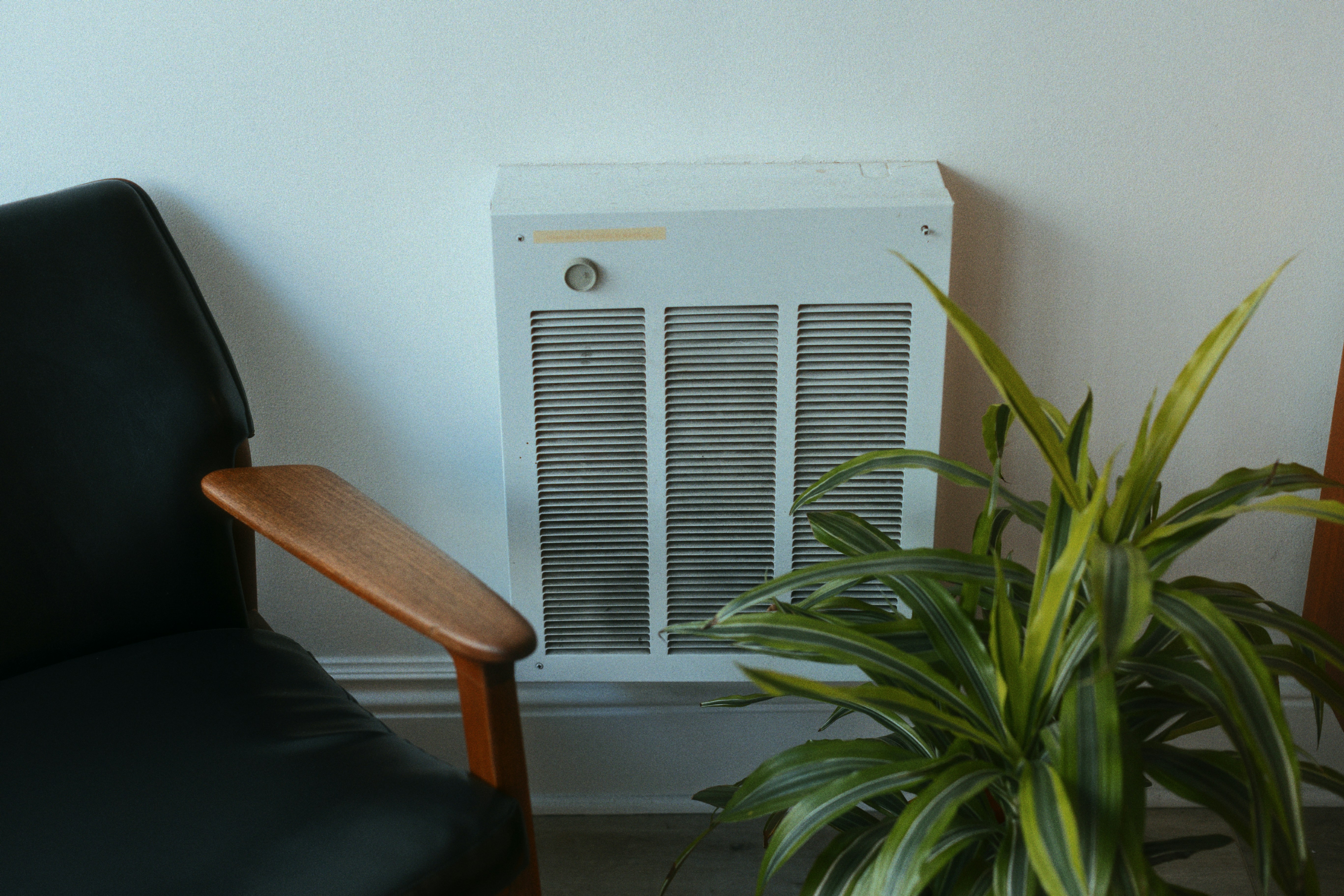
Air Conditioning Repair in Chino Hills, CA
Keeping your home comfortable during Chino Hills summers means a dependable air conditioner. AC failures here are not just an inconvenience; with inland valley heat, dusty conditions, and occasional Santa Ana winds, a malfunctioning system can lead to higher energy bills, humidity problems, and reduced indoor comfort. This page explains common AC problems in Chino Hills homes, how technicians diagnose them, typical repair solutions and parts, response and repair timing, warranty expectations, and simple troubleshooting homeowners can safely perform.
Common AC failures in Chino Hills homes
- No cooling or reduced cooling capacity
- Compressor failures or short cycling
- Refrigerant leaks and low refrigerant pressure
- Electrical faults: blown fuses, tripped breakers, failed capacitors or contactors
- Frozen evaporator coils caused by airflow problems or low refrigerant
- Condenser fan motor failure or blocked outdoor unit
- Thermostat malfunctions or incorrect settings
- Drain line clogs and condensate overflow
- Duct leaks or poor airflow in attic or crawlspace ducts
Chino Hills specifics: frequent dust, pollen, and wind-blown debris cause coils and filters to clog more quickly. Homes on hilltops or with long duct runs often experience airflow and balancing issues that increase wear on compressors.
How a professional diagnostic works
A thorough, professional diagnosis identifies the root cause before recommending repairs. Typical diagnostic steps:
- System history and symptom review - when it started, any noises, recent maintenance.
- Visual inspection - outdoor unit condition, condenser fins, coil cleanliness, wiring, and signs of leaks or corrosion.
- Electrical testing - voltage and amp draw checks on compressors and fan motors, capacitor and contactor testing.
- Airflow assessment - filter condition, blower motor function, and static pressure in duct system.
- Refrigerant evaluation - pressure checks with gauges to confirm charge; leak detection using electronic detectors or UV dye if needed.
- Evaporator coil and drain inspection - checking for ice, blockages, or buildup.
- Thermostat and control verification - calibration and programming checks.
- Performance verification - temperature split and run-cycle evaluation to confirm repair success.
Technicians will explain findings in plain language, show affected parts, and present repair options based on safety, efficiency, and system age.
Typical repair solutions and parts used
Repairs target failed components and conditions that reduce performance or threaten system longevity. Common repairs include:
- Capacitor replacement - resolves start and run issues for compressors and fan motors
- Contactor replacement - restores reliable power switching to outdoor units
- Fan motor or condenser motor replacement - fixes poor outdoor airflow
- Refrigerant leak repair - locating and repairing leaks, brazing refrigerant lines, and recharging to factory specifications
- Compressor replacement - a more extensive repair often required after motor failure or severe refrigerant starvation
- Evaporator or condenser coil cleaning and fin straightening - restores heat transfer efficiency
- Thermostat replacement or recalibration - ensures accurate control and scheduling
- Control board or relay repairs - addresses intermittent or complex electrical faults
- Drain line clearing or condensate pump replacement - prevents water damage from overflow
- Duct sealing and insulation repairs - improves airflow and reduces system strain
Technicians use industry standard parts and follow manufacturer recommendations for replacements. For systems under manufacturer warranty, parts and procedures may differ.
Emergency availability and response times
Many Chino Hills homeowners face urgent failures during peak heat. Emergency repair options are commonly available, with responders arriving same-day or within a few hours for high-priority issues such as complete system failure, electrical hazards, or water leaks. Typical on-site repair durations vary by issue:
- Simple electrical component swap (capacitor, contactor, thermostat): 30 minutes to 2 hours
- Fan motor or refrigerant recharge with minor leak repair: 1 to 4 hours
- Major refrigerant leak tracing and repair: 2 to 6 hours
- Compressor or major component replacement: several hours to a full day, sometimes requiring coordinated replacement of matched components
Final timing depends on part availability, system access, and whether a full system replacement is more appropriate.
Estimates and warranty information
A reliable estimate follows a complete diagnosis and includes a clear explanation of required work, parts, and labor. Homeowners should expect transparent written estimates after inspection.
Warranty expectations:
- Manufacturer warranty: new systems often include manufacturer parts warranty and separate compressor warranty periods; terms vary by brand and registration.
- Aftermarket parts warranty: replacement parts commonly include limited warranties from suppliers or technicians; durations vary.
- Workmanship warranty: many repairs carry a limited workmanship warranty covering labor for a defined period after service.
Keep documentation, model and serial numbers, and receipts to support any warranty claims. For older systems, manufacturer coverage may have expired and aftermarket warranties become more relevant.
When repair is the right choice versus replacement
Repair is often best when:
- The issue is isolated to a single component (capacitor, fan motor, contactor)
- The system has documented maintenance and otherwise performs efficiently
- Repair cost is reasonable relative to the expected remaining life
Consider replacement when:
- The system is older and approaching end of useful life
- Multiple major components need replacement (compressor plus coil and control board)
- Efficiency gains from a modern system would offset ongoing repair costs
A professional assessment will compare repair viability against replacement benefits like improved efficiency, better humidity control, and updated refrigerants.
Homeowner troubleshooting and maintenance tips
Safety first: do not attempt refrigerant repairs or complex electrical work. These tips help identify simple issues and may restore operation quickly.
- Check thermostat settings and replace batteries if present
- Verify circuit breakers and disconnect switches for the outdoor unit are on
- Replace or clean air filters every 1 to 3 months during heavy use
- Keep 2 to 3 feet of clearance around the outdoor unit and clear debris from the condenser
- Gently clean visible dust on condenser fins with low-pressure water flow and a soft brush
- Ensure condensate drain lines are clear and that indoor drain pans are not overflowing
- Set fans and temperature limits to avoid unnecessary short cycling
Regular preventive maintenance, ideally before the cooling season, reduces emergency repairs and improves efficiency in Chino Hills where cooling demand is high.
Benefits of prompt, professional AC repair in Chino Hills
Timely, expert repairs restore comfort, prevent further damage, and reduce energy use. Proper diagnosis and quality parts protect the system from repeat failures common in dusty, high-use environments. For Chino Hills homes, addressing issues quickly prevents discomfort on hot days and helps systems run more reliably during prolonged warm periods.
A clear diagnosis, transparent estimate, and informed repair plan help homeowners make the best decision for safety, comfort, and long-term value.
Customer
Testimonials
Our customers consistently praise the exceptional service and professionalism of our team. They appreciate the honest advice, meticulous work, and the care taken to ensure their satisfaction.

.webp)
Service Areas
