

Air conditioning installation in Chino Hills, CA involves a professional, start-to-finish process tailored to local homes and climate conditions. It begins with a detailed home assessment and precise load calculations to ensure accurate system sizing, followed by expert equipment selection, ductwork inspection, and necessary permitting. The service includes installation, post-installation testing, system balancing, and homeowner walkthroughs for optimal performance and maintenance understanding. With attention to SEER efficiency ratings, warranty coverage, indoor air quality, and financing options, the focus is on delivering reliable comfort, lower energy costs, and a smooth installation experience.

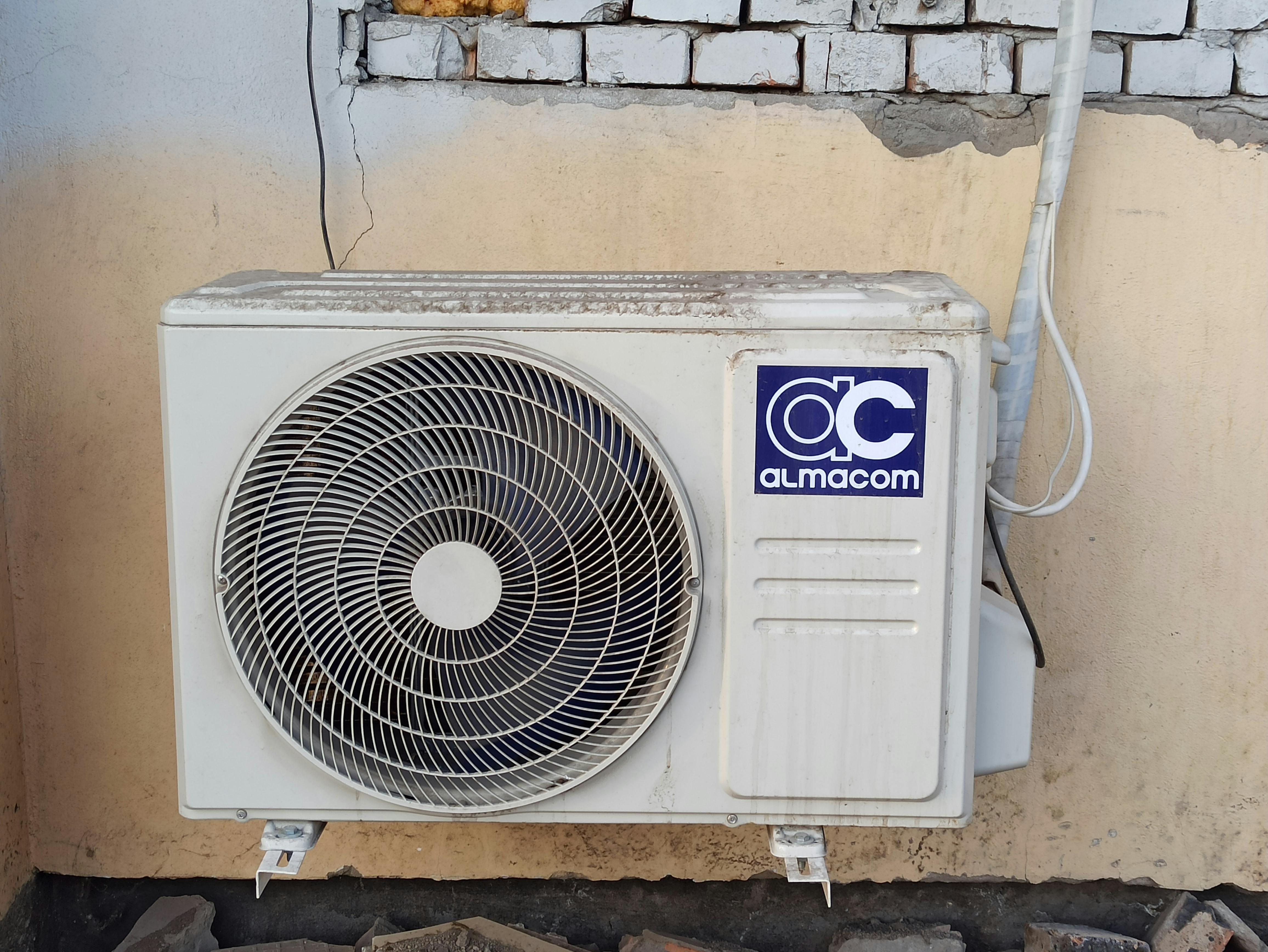
Air Conditioning Installation in Chino Hills, CA
Installing a new air conditioning system is one of the most important investments for comfort and energy savings in Chino Hills homes. With hot, dry summers, occasional high humidity and seasonal smoke from wildfires, a properly sized, well-installed AC system improves indoor comfort, reduces energy bills, and helps protect indoor air quality. This page explains the full air conditioning installation process for Chino Hills, CA homeowners, common local issues, efficiency options, permitting, testing, warranties, and financing choices so you know exactly what to expect at the decision stage.
Why professional installation matters in Chino Hills
Chino Hills sits in a warm inland area where cooling loads are high for much of the year. An improperly sized or poorly installed system will cycle excessively, raise energy costs, and fail to control humidity or indoor air quality. Professional installation tailored to local climate and home conditions ensures:
- Accurate load calculations for efficient performance in Chino Hills heat
- Correct refrigerant charge and airflow for longevity
- Proper ductwork sizing and sealing to avoid attic losses
- Compliance with California and local permit requirements
- Optimization for utility rate structures and available rebates
Common air conditioning installation issues in Chino Hills homes
- Undersized or oversized equipment: Both reduce comfort and efficiency. Oversized units short-cycle and still fail to dehumidify properly.
- Old or leaky ductwork: Attic ducts are common in Chino Hills and often suffer from leaks and poor insulation, causing significant cooling loss.
- Inadequate attic insulation: Heat gain through the roof increases cooling load and operating costs.
- Poor thermostat placement: Thermostats in direct sun or near heat sources give inaccurate readings and erratic cycling.
- Indoor air quality concerns: Wildfire smoke seasons and dust can overload weak filtration systems.
- Local code and permit oversights: Missing permits or incorrect equipment installation can cause inspection failures and future liabilities.
The installation process — step by step
- Initial home assessment and measurements
- Site visit to evaluate living spaces, attic/duct layout, insulation, window orientations, and existing equipment.
- Review of homeowner comfort goals, budget, and any indoor air quality priorities.
- Load calculation and system sizing (Manual J)
- Detailed Manual J load calculation determines exact cooling requirements based on Chino Hills climate, home construction, and occupancy.
- Manual D duct design is used when ductwork changes are required to ensure balanced airflow.
- System selection and efficiency options
- Comparison of systems: split systems, heat pumps, packaged units, or high-efficiency variable-speed equipment.
- SEER ratings explained: Higher SEER ratings deliver greater efficiency. For Chino Hills summers, selecting appropriately rated equipment (SEER 16 and above for many homes) offers meaningful savings while matching cooling needs.
- Features to consider: variable-speed compressors, two-stage cooling, high-efficiency blower motors, smart thermostats, and matched indoor coils for optimal performance.
- Ductwork evaluation and modifications
- Inspecting for leaks, poor insulation, undersizing, and airflow restrictions.
- Options include sealing, adding insulation, re-routing, or full duct replacement if necessary to meet balanced airflow goals.
- Permits and code compliance
- Preparing and submitting required permit documents to the City of Chino Hills and complying with California building codes and Title 24 energy requirements.
- Scheduling inspections as required by local authorities.
- Installation timeline
- Typical projects: simple equipment swap can often be completed in one day. Systems requiring ductwork modifications or permit lead times may take several days to a few weeks.
- Timeline factors: equipment lead times, extent of ductwork work, permit approval, and any required electrical upgrades.
- Post-install testing and commissioning
- Refrigerant charge and pressure verification to manufacturer specifications.
- Airflow measurements, static pressure checks, and thermostat calibration.
- System balancing, refrigerant leak checks, and safety controls verification.
- Demonstration of system operation and thermostat programming for homeowners.
Performance verification and indoor air quality
A thorough commissioning process in Chino Hills includes verifying humidity control and recommending filtration upgrades when wildfire smoke or seasonal dust is a concern. Options include higher MERV-rated filters or standalone whole-home filtration solutions, with attention to maintaining proper airflow. Duct sealing and insulation in unconditioned spaces significantly improves system performance and reduces energy bills.
Warranties and manufacturer protections
- Manufacturer warranties: Standard equipment warranties cover major components for a set period. Look for matched system warranties that require certified installation.
- Labor warranties: Many professional installers provide a labor warranty covering installation workmanship for a specified time.
- Warranty registration: Timely product registration with the manufacturer can extend or validate coverage. Keep copies of permits and commissioning documents to support claims.
Financing and incentives for Chino Hills homeowners
Financing options commonly available include fixed-rate HVAC loans, promotional 0% interest offers for qualified applicants, and lease-to-own alternatives through third-party providers. In many cases, state and utility incentives, rebates, or tax credits are available for high-efficiency equipment and heat pump installations. Combining financing with rebates can make high-efficiency systems more affordable and reduce long-term operating costs.
How to choose the right system for your home
- Prioritize correct sizing first, then efficiency options second. Right-sizing is the key to comfort and longevity.
- Consider variable-speed or two-stage units for better humidity control and quieter operation in Chino Hills climates.
- Match indoor coils and equipment to ensure efficiency and maintain manufacturer warranties.
- Evaluate ductwork condition and attic insulation as part of the overall system solution rather than treating them as add-ons.
Long-term benefits of a professionally installed system
A properly installed AC system provides predictable comfort, lower energy bills, fewer breakdowns, and improved indoor air quality. In Chino Hills, where summers are warm and air quality challenges occur seasonally, investing in the right equipment and professional installation preserves indoor comfort, protects your property, and maximizes the lifespan of the system.
If you are deciding between systems, focus on accurate load calculations, high-quality installation practices, appropriate SEER level for your usage patterns, ductwork integrity, and warranty coverage to ensure your new air conditioning system meets the long-term needs of your Chino Hills home.
Customer
Testimonials
Our customers consistently praise the exceptional service and professionalism of our team. They appreciate the honest advice, meticulous work, and the care taken to ensure their satisfaction.

.webp)
Service Areas
