

Ventilation in Yorba Linda, CA

Comprehensive guidance on residential and commercial ventilation in Yorba Linda, CA emphasizes designing and maintaining systems that control humidity, improve indoor air quality, and meet California codes. The page outlines climate-driven needs, common problems, and a range of systems—from exhaust to balanced with energy recovery—plus installation, ductwork, and commissioning considerations. It covers energy recovery options, smart controls, maintenance routines, and code compliance, concluding that properly designed ventilation enhances comfort, reduces pollutants, and lowers HVAC energy use in hot, smoky environments.
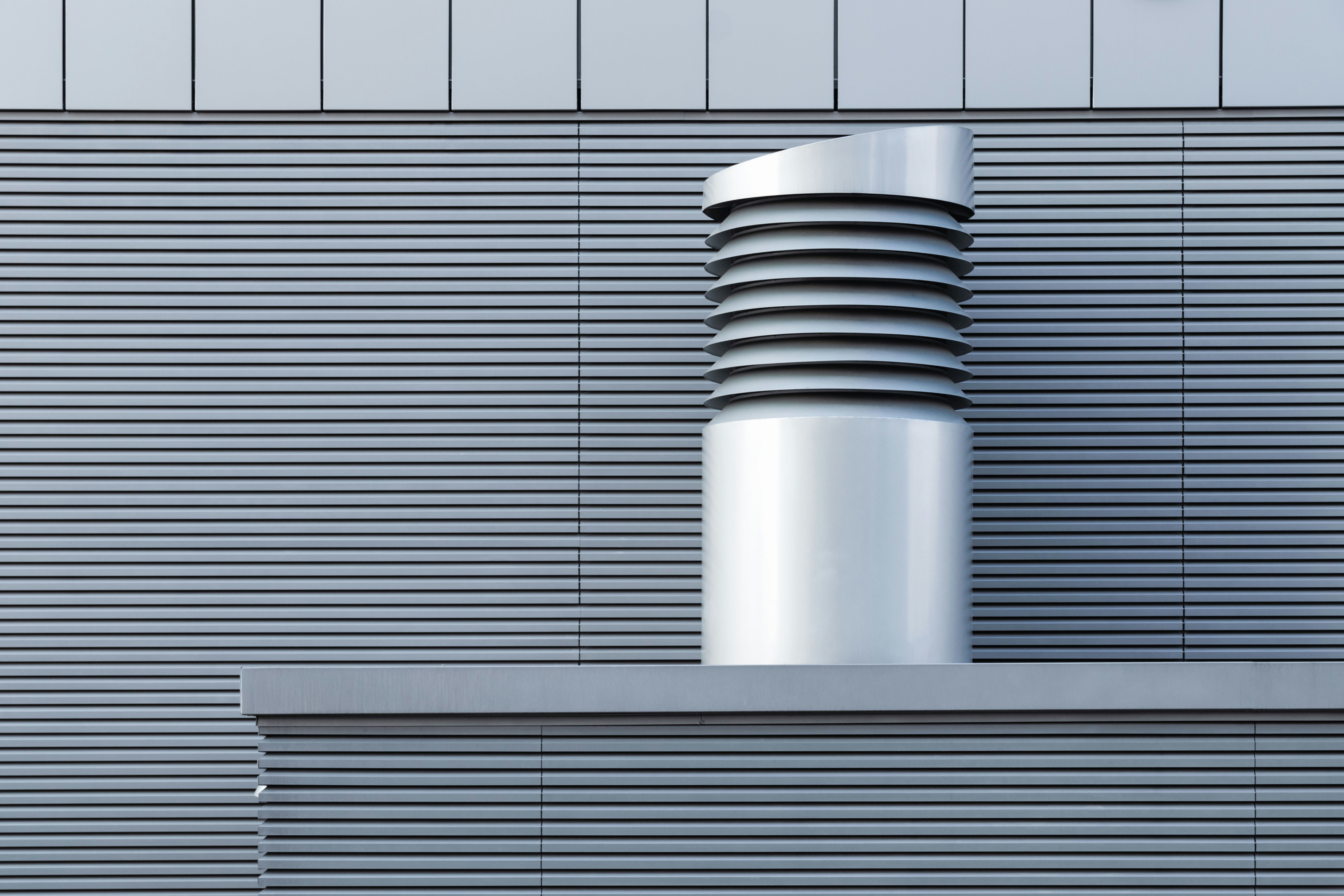
Ventilation in Yorba Linda, CA
Proper residential and commercial ventilation in Yorba Linda, CA is essential for healthy, comfortable indoor environments and for meeting California energy and health codes. Whether your priority is lowering indoor humidity after a summer evening, keeping wildfire smoke out during Santa Ana wind events, or satisfying code-compliant whole-house ventilation for a remodel or new construction, a well-designed mechanical ventilation system makes a measurable difference in indoor air quality (IAQ), occupant comfort, and HVAC efficiency.
Why ventilation matters in Yorba Linda
Yorba Linda’s inland Southern California climate brings hot, dry summers and mild winters, with occasional humid marine influence and seasonal wildfire smoke. Common indoor air problems here include:
- Elevated indoor temperatures and stale air in tightly sealed homes
- Periodic high particulate and smoke levels during wildfire events
- Localized humidity and condensation in bathrooms and kitchens
- VOC buildup from furnishings, paints, and household products
- Odors and excess CO2 in rooms with poor air exchange
Mechanical ventilation—exhaust, supply, balanced systems, and energy recovery ventilators (ERVs/HRVs)—controls humidity, dilutes contaminants, and helps manage smoke and outdoor pollutants when paired with appropriate filtration.
Common ventilation systems and issues in Yorba Linda
- Exhaust-only systems: Simple and inexpensive, useful for bathrooms and kitchens; can depressurize homes and draw infiltration through undesired pathways.
- Supply-only systems: Introduce filtered outdoor air, helpful when intake air quality is good; may pressurize a building and reduce soil gas entry.
- Balanced systems with ERV/HRV: Provide controlled exchange with energy recovery for sensible and latent loads—especially useful in Yorba Linda’s climate to preserve cooling energy while refreshing indoor air.
- Local exhausts: Kitchen range hoods and bathroom fans sized and vented correctly to remove moisture and cooking pollutants.
- Commercial systems: Make-up air for exhaust appliances, CO/NO2 ventilation in garages, and demand-based systems for large occupancies.
Common problems encountered locally include undersized fans, poorly routed or leaky ductwork, lack of effective filtration for wildfire smoke, and systems not commissioned to meet required CFM rates.
Assessment and design: what a proper evaluation includes
A professional ventilation assessment should:
- Review building envelope tightness and HVAC capacity
- Measure occupancy, floor area, and use patterns to determine required CFM (often referenced to ASHRAE 62.2 for residences)
- Test indoor and outdoor pollutant levels (CO2, PM2.5, relative humidity, VOCs) when needed
- Map intake and exhaust locations to avoid contamination from garages, exhaust vents, or nearby air pollutant sources
- Recommend system type (exhaust, supply, balanced) and sizing, including duct sizing and fan selection
- Identify energy recovery opportunities and integration with existing HVAC
Design must factor in Yorba Linda conditions: prioritize filtration and the ability to shut or recirculate intake air during smoke events, and size energy recovery equipment to balance cooling loads during hot summers.
Installation and ductwork considerations
Correct installation is crucial for performance and longevity:
- Duct routing should minimize length, turns, and exposure to hot attics; insulate ducts in unconditioned spaces to prevent thermal losses and condensation.
- Use rigid or properly supported flexible duct with smooth transitions; seal all joints with mastic or UL-rated tape to reduce leakage.
- Place outdoor intakes upwind of pollution sources, at least several feet from dryer vents, gas meters, or parking areas.
- Locate exhaust terminations to avoid re-entrainment into intakes or windows.
- Install ERV/HRV units with accessible panels for maintenance and consider vibration isolation and sound attenuation for living spaces.
- Commissioning: verify CFM at each supply/exhaust point, check static pressures, and balance the system to meet design targets.
Energy recovery options for Yorba Linda homes and businesses
- ERVs (energy recovery ventilators) transfer moisture as well as heat, which can help stabilize indoor humidity during humid marine intrusions while reducing HVAC loads.
- HRVs (heat recovery ventilators) focus on sensible heat exchange and perform well in drier conditions.
- For commercial systems, enthalpy wheels or run-around coil systems can provide efficient recovery at larger scales.
- Energy recovery is particularly valuable in Yorba Linda where cooling demand is significant; recovering energy reduces cooling run-time and improves occupant comfort without sacrificing IAQ.
Controls and scheduling strategies
Smart control strategies increase efficiency and indoor air quality:
- Demand-controlled ventilation using CO2 or VOC sensors adjusts airflow to occupancy levels in real time, reducing energy use while maintaining IAQ.
- Time-of-day scheduling provides extra ventilation during high-occupancy periods and reduces it when spaces are empty.
- Integrate ventilation controls with HVAC thermostats or building automation systems to coordinate economizer cycles and avoid simultaneous heating/cooling losses.
- Use variable-speed ECM fans to provide quiet, efficient continuous ventilation at lower speeds with the ability to boost for occupancy or pollutant events.
- Include override options and filtration interlocks so the system can switch to recirculation and high-efficiency filtration during outdoor smoke episodes.
Maintenance to sustain performance
Routine maintenance preserves IAQ and system efficiency:
- Replace or clean filters on schedule; use MERV 13 or higher during wildfire smoke events when compatible with fan capacity.
- Clean ERV/HRV cores annually and check seals for deterioration.
- Inspect and clean ductwork and exhaust terminations periodically, especially after renovations.
- Verify fan operation, motor bearings, and electrical connections; measure system airflow annually and rebalance if necessary.
- Maintain sensors and controls—calibrate CO2 and humidity sensors to ensure accurate demand-controlled ventilation.
Code compliance and local requirements
Ventilation work in Yorba Linda must align with California building and energy codes, which reference standards such as ASHRAE 62.2 for residential ventilation and Title 24 energy requirements. Key compliance items include:
- Minimum whole-house ventilation rates based on floor area and occupant counts
- Prescriptive or performance pathways for energy compliance
- Verification and possible HERS testing when required by the local permit authority
- Proper exhaust termination and makeup air arrangements for commercial kitchen hoods and combustion appliances
Design and documentation should reflect these code references and include airflow calculations, equipment specifications, and commissioning records.
Final considerations: benefits of getting ventilation right
A properly assessed, designed, installed, and maintained ventilation system in Yorba Linda improves indoor air quality, controls humidity, reduces odors and pollutant exposures, and lowers HVAC energy use when energy recovery and controls are applied. Given regional challenges like heat and occasional wildfire smoke, systems that combine balanced ventilation with appropriate filtration and smart controls deliver the best long-term results for both homes and commercial buildings. Regular maintenance and code-aware design ensure ongoing performance, occupant comfort, and compliance with California standards.
Customer
Testimonials
Our customers consistently praise the exceptional service and professionalism of our team. They appreciate the honest advice, meticulous work, and the care taken to ensure their satisfaction.

.webp)
Service Areas
