

Ventilation in Woodland Hills, CA

Ventilation services in Woodland Hills, CA focus on improving airflow, reducing moisture, and enhancing indoor air quality through expert assessment and upgrades. The page details whole-home and localized solutions, including ERV/HRV systems, exhaust fan replacements, duct sealing, and filtration improvements. It highlights Title 24 code compliance, common issues like stale air and leaky ducts, and outlines diagnostic steps, installation timelines, and maintenance tips. These services ensure efficient ventilation, healthier living spaces, and long-term comfort for Woodland Hills homeowners.
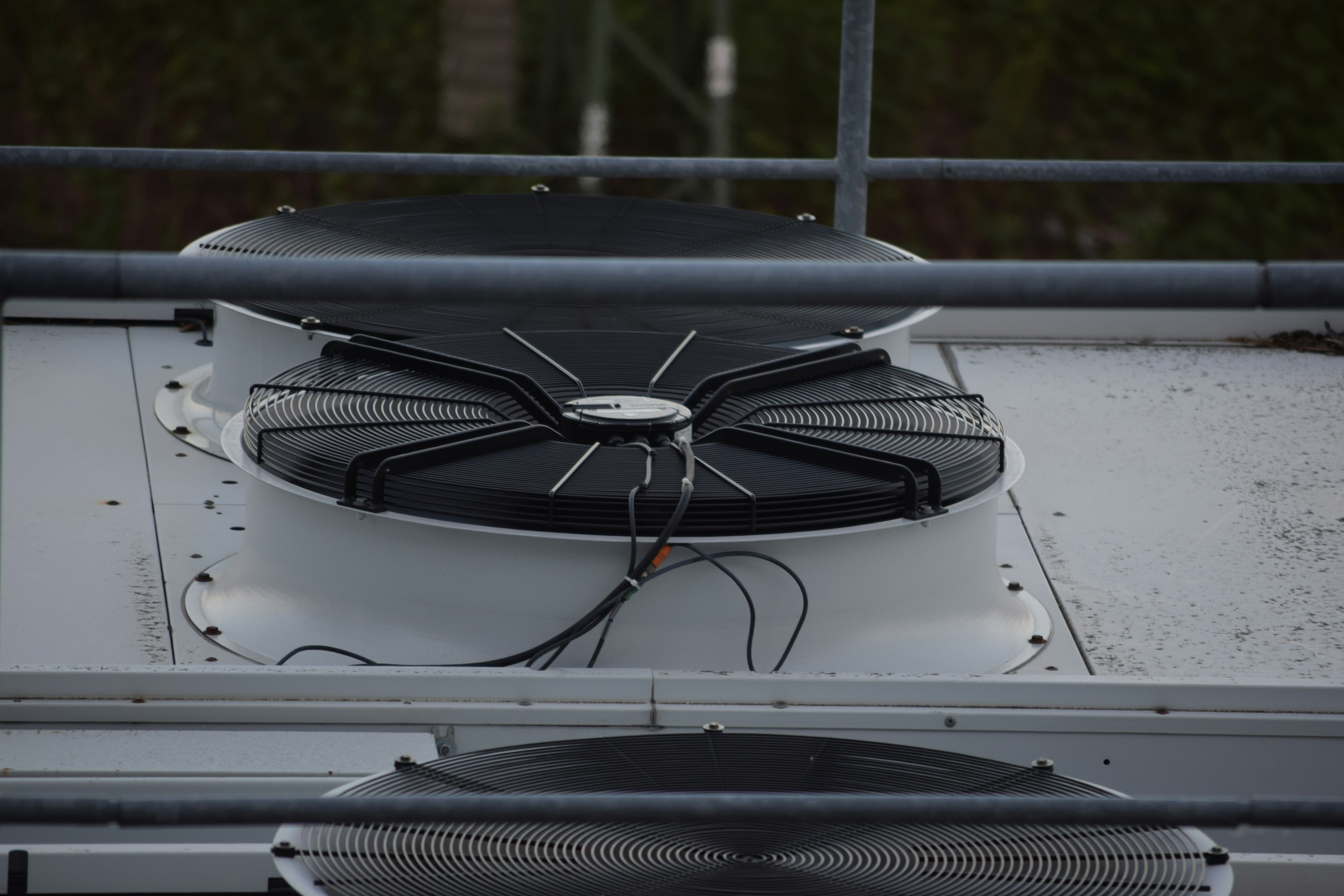
Ventilation in Woodland Hills, CA
Proper home ventilation in Woodland Hills, CA matters more than ever. With hot dry summers, seasonal Santa Ana winds, and periodic wildfire smoke events, homes here face unique indoor air challenges. This page explains whole‑home and localized ventilation services offered for Woodland Hills homes, including assessment of existing airflow, recommendations for ERV/HRV systems, exhaust fan upgrades, ductwork improvements, code compliance, energy efficient solutions, installation timelines, and ongoing maintenance. The goal is to help you understand the problem, the practical options, and what to expect from a professional ventilation upgrade.
Why ventilation matters in Woodland Hills homes
- Woodland Hills summers put extra demand on HVAC systems and can trap heat and pollutants indoors.
- Wildfire smoke and elevated particulate levels make effective fresh air management and filtration critical for health.
- Older homes and some tract developments may have under‑designed or leaky ductwork and insufficient mechanical ventilation.
- Proper ventilation reduces odors, controls indoor humidity, prevents mold growth, and lowers the load on cooling systems.
Common ventilation issues in Woodland Hills
- Poor whole‑house airflow and uneven temperatures between rooms
- Inadequate fresh air exchange leading to stale air and lingering odors
- Insufficient bathroom and kitchen exhausts causing moisture and grease buildup
- Leaky or uninsulated ducts that reduce efficiency and bring in dust or outdoor smoke
- Systems that do not meet California building code ventilation requirements or Title 24 guidance
- Lack of filtration to handle wildfire smoke and fine particulates
Assessment and diagnostic process
A professional ventilation assessment typically includes:
- Visual inspection of vents, exhaust fans, and duct runs for damage or improper installation.
- Measurement of airflow rates and static pressure to identify restrictions or imbalances.
- Indoor air quality checks for particulate levels, humidity, and CO2 where needed.
- Evaluation of interactions between the ventilation system and existing HVAC equipment.
- Review of local code requirements and recommendations based on home size and occupancy.
Assessment results lead to prioritized recommendations: whole‑home mechanical ventilation, targeted exhaust upgrades, duct sealing and balancing, or enhanced filtration.
Mechanical ventilation: ERV vs HRV and when to use them
- HRV (Heat Recovery Ventilator) transfers heat between outgoing and incoming air. It is effective in temperate climates where humidity control is not required.
- ERV (Energy Recovery Ventilator) transfers both heat and moisture. It is useful when you want some humidity transfer to help stabilize indoor humidity levels.
- In Woodland Hills, the choice depends on the home:
- For dry summer conditions and homes with tight envelopes, an HRV can provide efficient fresh air without adding moisture.
- For homes with high seasonal humidity or specific humidity control needs, an ERV can help maintain comfort.
- Both systems are beneficial during wildfire smoke events when combined with high‑efficiency filtration to bring in cleaner, tempered outdoor air while minimizing energy loss.
Exhaust fan upgrades and localized ventilation
- Bathroom and kitchen exhaust fans should meet minimum CFM per room size and be vented correctly to the outside.
- Upgrades include energy‑efficient brushless motors, quieter operation, integrated humidity sensors, and timers.
- Range hood exhaust with proper CFM and ducting reduces grease and heat in kitchens and helps HVAC performance.
- Localized solutions like spot ventilation for bathrooms and laundry rooms prevent moisture problems before they spread.
Ductwork improvements and balancing
- Common duct problems in Woodland Hills: leaks, poor insulation, undersized returns, and blocked branches.
- Improvements focus on:
- Sealing joints with appropriate materials and insulating ducts that run through unconditioned spaces.
- Reconfiguring or adding return pathways to prevent negative pressure and ensure balanced airflow.
- Adding dampers and balancing airflow to eliminate hot or cold rooms.
- Proper ductwork reduces energy waste, improves comfort, and helps whole‑home ventilation systems perform as intended.
Compliance and energy efficient solutions
- Ventilation work in California must align with Title 24 and applicable local building codes. That includes meeting required ventilation rates for new construction and certain retrofits.
- Energy‑efficient strategies include:
- Using ERV/HRV systems that recover energy and reduce HVAC runtime.
- Selecting high‑efficiency motors and smart controls for fans.
- Integrating ventilation with existing HVAC controls and home automation for optimized schedules.
- Upgrading to higher MERV rating filters during wildfire season and ensuring systems can handle the increased pressure drop.
Typical installation process and timelines
- Initial assessment and report: typically scheduled and completed within 1 to 2 weeks depending on availability.
- Localized exhaust fan replacement: a few hours to one day.
- Duct sealing, insulation, and balancing: 1 to 3 days for most single‑family homes; more for extensive redesigns.
- ERV or HRV whole‑home installation: usually 1 to 3 days for standard homes when existing duct access is available. Complex retrofits may extend to several days.
- Permitting and code inspections, when required, can add additional days to a project timeline.
Benefits for comfort, health, and energy use
- Improved indoor air quality by reducing indoor pollutants, allergens, and smoke infiltration.
- Better comfort and more consistent temperatures throughout the house.
- Reduced moisture problems that cause mold and structural issues.
- Lower HVAC energy use with energy recovery and properly sealed duct systems.
- Compliance with local building codes, which can help with resale and inspection readiness.
Ongoing maintenance and options
- Replace or clean filters regularly. In wildfire season, more frequent changes are advised, sometimes monthly depending on exposure.
- Clean ERV/HRV cores twice a year in dusty or smoke-prone conditions; follow manufacturer guidance for specific intervals.
- Inspect exhaust fans and ducts annually for wear, blockages, and proper venting.
- Schedule duct inspections and cleaning every 3 to 7 years, or sooner if pets, renovations, or smoke events occur.
- Consider smart controls or humidity sensors to run ventilation only when needed, improving energy efficiency without sacrificing air quality.
Final considerations
Ventilation upgrades in Woodland Hills require solutions tailored to local climate and air quality concerns. Whether the focus is whole‑home ERV/HRV installation, exhaust fan and ductwork improvements, or bringing existing systems up to code and energy performance, the right approach improves comfort, protects health, and lowers long‑term energy use. With thoughtful assessment and ongoing maintenance, Woodland Hills homes can maintain clean, comfortable indoor air year round.
Customer
Testimonials
Our customers consistently praise the exceptional service and professionalism of our team. They appreciate the honest advice, meticulous work, and the care taken to ensure their satisfaction.

.webp)
Service Areas
