

Ventilation in Silver Lake, CA

Ventilation in Silver Lake homes faces challenges from wildfire smoke, marine layer, and moisture. This guide outlines common issues, such as stale air, humidity, odor, and uneven airflow, and presents solutions including ERV/HRV systems, balanced supply-exhaust setups, and localized exhaust. It covers assessment steps, from walk-throughs and air-quality tests to duct leakage and balance checks, plus code and energy considerations. Installation, retrofit processes, and maintenance tips emphasize selecting appropriate equipment, filtration, controls, and system balancing for different building types today.
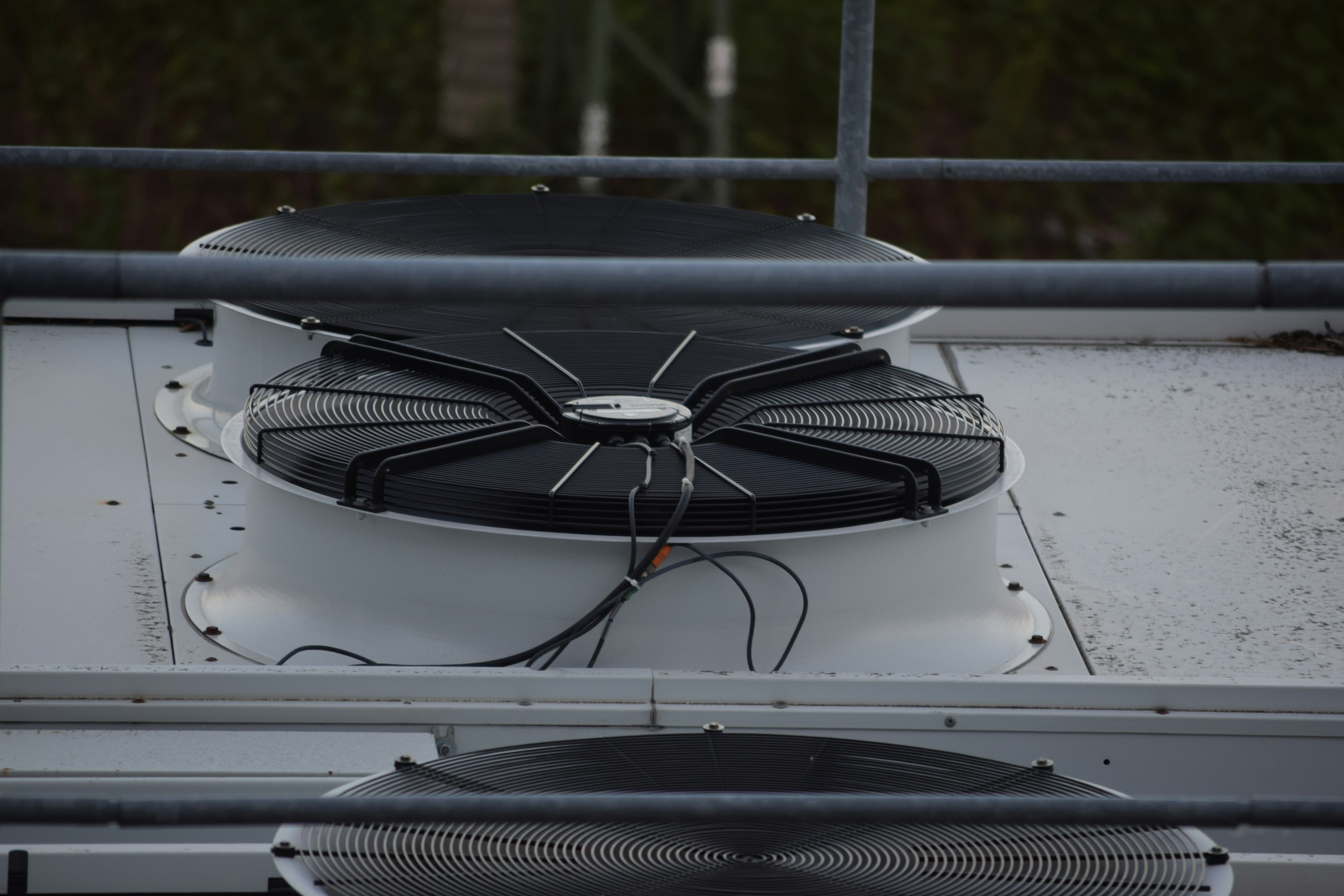
Ventilation in Silver Lake, CA
Good indoor ventilation is essential for healthy, comfortable living in Silver Lake. Between warm, dry summers, occasional coastal marine layer, and periodic wildfire smoke in the Los Angeles basin, homes here face unique air quality and moisture challenges. Proper whole home and localized ventilation reduces indoor pollutants, controls moisture that leads to mold in older craftsman homes, and helps keep indoor air comfortable without wasting energy. This page explains common ventilation issues in Silver Lake homes, the solutions available (ERV, HRV, exhaust and supply systems), how assessments and installations work, code and energy considerations, and guidance for choosing the right approach for different building types.
Common ventilation issues in Silver Lake homes
- Stale air and lingering cooking or pet odors in tightly sealed or recently retrofitted homes.
- Elevated indoor humidity in bathrooms or near older single-pane windows, leading to condensation and mold risk.
- Wildfire smoke and elevated outdoor PM2.5 that can infiltrate homes during fire season.
- Insufficient kitchen or bathroom exhaust causing moisture and odors to remain.
- Uneven airflow and pressure differences in hillside or multi-story homes that cause drafts or poor ventilation in some rooms.
- Old duct systems with leaks or poor filtration that lower overall indoor air quality.
Ventilation solutions: what works in Silver Lake
Whole-home and localized systems each have advantages depending on building layout, occupancy, and air quality priorities.
- Energy Recovery Ventilators (ERV) and Heat Recovery Ventilators (HRV)
- ERVs exchange stale indoor air with outdoor air while transferring moisture and some energy between the airstreams. They are useful in Silver Lake where moderate humidity swings occur seasonally.
- HRVs transfer heat but not moisture and are more common in colder climates, but can be appropriate in specific multi-family or mechanically heated buildings.
- Both help provide continuous fresh air with lower energy cost than simple ventilation because they recover heat or coolness from exhaust air.
- Balanced supply and exhaust ventilation
- Systems that actively supply outdoor air while exhausting indoor air keep pressure balanced and prevent backdrafting. These are ideal for tighter modern builds and retrofits.
- Localized exhaust fans and range hoods
- High-capacity, vented kitchen range hoods and bathroom exhaust fans control pollutant spikes and moisture at the source. Upgrading to properly ducted, code-compliant fans makes a big difference.
- Supply-only ventilation and make-up air units
- In some retrofit scenarios, a controlled supply fan filtered with MERV-rated filters provides fresh air and helps manage pressure in homes with intermittent exhaust sources.
- Filtration and smoke-ready systems
- Given wildfire smoke events, integrating high-efficiency filtration (MERV 13 or better where HVAC capacity allows, or HEPA in localized units) with ventilation systems minimizes particulates during smoke events. Systems with bypass modes and smart controls let you reduce outdoor air intake when smoke levels are high while maintaining indoor circulation and filtration.
Assessment and diagnostic process
A professional assessment clarifies the right ventilation strategy for your Silver Lake home.
- Walk-through and occupancy review to understand how the home is used and where odors, moisture, or drafts occur.
- Indoor air quality testing and measurements: CO2 levels for ventilation adequacy, humidity for moisture risk, and particulate sampling during poor outdoor air events.
- Airflow measurements and balancing: flow hood testing at supply and exhaust points, duct leakage testing if ducts are present, and pressure diagnostics to identify imbalances or stack effect issues in hillside homes.
- Code and energy review: checking current HVAC capacity, duct condition, insulation, and Title 24 or local code requirements that affect ventilation rates and energy compliance.
These diagnostics produce a clear specification: recommended ventilation rate, equipment type (ERV, exhaust, supply), filtration level, and any duct or control upgrades.
Installation and retrofit process explained
Installing or retrofitting ventilation is a coordinated, stepwise process that minimizes disruption.
- Finalize system design and equipment selection based on assessment findings and local code needs.
- Obtain necessary permits and ensure installation meets California energy code and local mechanical requirements.
- Prepare mounting locations, duct runs, and electrical connections. For ERV/HRV, place unit where duct runs are shortest and sound can be managed.
- Install supply and exhaust ducts, and balance flows with airflow testing to meet specified ventilation rates.
- Integrate filtration and controls: set up variable speed fans or smart controls to modulate ventilation based on CO2, humidity, or outdoor air quality sensors.
- Commissioning and homeowner orientation: verify balanced airflow, demonstrate operation modes (normal, smoke, high-occupancy), and confirm filter access and maintenance needs.
Retrofitting older Silver Lake bungalows may include targeted ductwork, attic-mounted units, or decentralized ERV solutions to avoid invasive construction.
Code and energy considerations
California Title 24 and related energy codes influence ventilation choices. These codes require minimum ventilation rates and encourage energy efficiency. ERVs and balanced systems often help meet the ventilation requirements while reducing heating and cooling penalties from bringing in outdoor air. Properly sized equipment, good duct sealing, and controls that reduce ventilation when appropriate will improve energy performance while preserving indoor air quality.
Choosing the right system for your building type in Silver Lake
- Older single-family homes and craftsman bungalows
- Common issues: low insulation, leaky ducts, localized moisture. Best choices: targeted ERV or whole-home supply with upgraded exhaust fans; filtration upgrades for HVAC or portable HEPA units for smoke episodes.
- Modern remodeled homes and new builds
- With tighter envelopes, balanced ERV/HRV systems with controls for CO2 and humidity provide continuous fresh air without large energy penalties.
- Multi-family buildings and small apartment blocks
- Centralized ERV systems or engineered supply-exhaust balancing per unit with higher filtration help control cross-contamination and meet code ventilation rates.
- Hillside and multi-level homes
- Address stack effect and pressure differences with zoned ventilation, careful balancing, and attention to duct routing to avoid unwanted drafts.
Benefits of timely ventilation upgrades
- Improved health: fewer allergens, lower VOCs, and reduced exposure to outdoor smoke with appropriate filtration.
- Moisture control and mold prevention in bathrooms and crawlspaces.
- Consistent comfort with fewer odors and more even airflow.
- Energy savings over poorly controlled ventilation due to energy recovery and smarter controls.
- Compliance with code and increased resilience during poor outdoor air events.
Maintenance and practical tips for Silver Lake homes
- Replace or clean filters on schedule and use higher MERV filters only where the system can handle the pressure drop.
- Run bathroom and kitchen fans during and after activities that produce moisture or pollutants.
- During wildfire smoke episodes, reduce outdoor air intake and increase indoor filtration or recirculation through high-efficiency filters or portable HEPA units.
- Schedule periodic airflow checks and duct inspections, especially after major renovations.
- Consider sensors for CO2 and humidity to automate ventilation and avoid overventilation or underventilation.
Good ventilation tailored to Silver Lake conditions protects indoor air quality, reduces moisture problems in older housing stock, and helps occupants breathe easier during wildfire and high-ozone days. Selecting the right mix of ERV/HRV, exhaust and supply ventilation, and filtration makes indoor spaces healthier and more comfortable while keeping energy use under control.
Customer
Testimonials
Our customers consistently praise the exceptional service and professionalism of our team. They appreciate the honest advice, meticulous work, and the care taken to ensure their satisfaction.

.webp)
Service Areas
