

Ventilation in San Marino, CA

Ventilation services in San Marino, CA evaluate and install whole-home and spot ventilation solutions to improve indoor air quality, moisture control, and comfort in historic and modern homes. Technicians assess common issues such as duct leaks, inadequate exhaust, and poor filtration, then design balanced ERV/HRV or exhaust-only systems, seal ductwork, and upgrade filtration. Diagnostics include airflow, duct leakage, building envelope, and humidity monitoring, with adherence to California codes and ASHRAE 62.2. Upgrades yield energy efficiency, reduced mold risk, and healthier indoor environments.
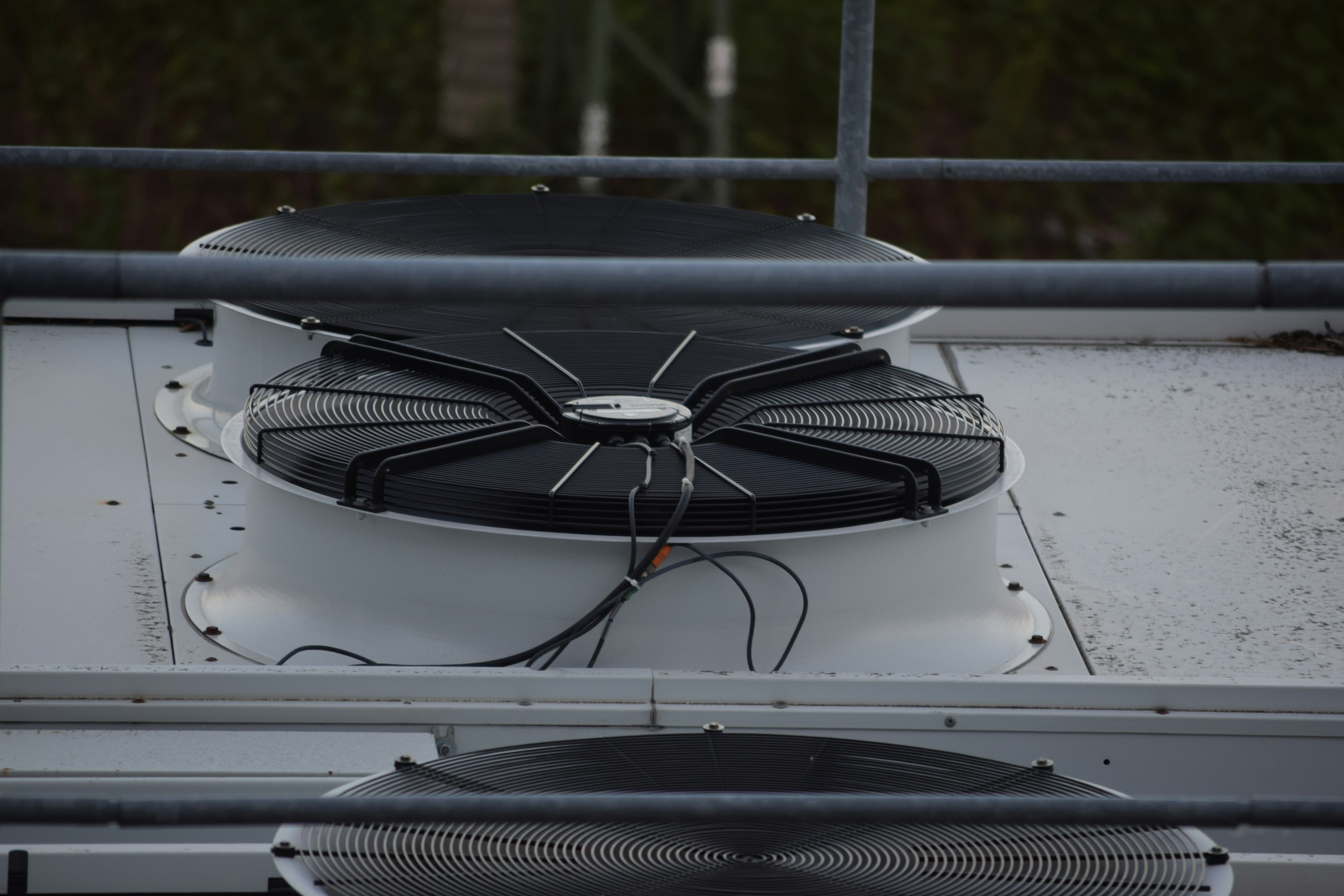
Ventilation in San Marino, CA
Proper ventilation is one of the most effective ways to protect indoor air quality, control moisture, and preserve comfort in San Marino, CA homes. Whether you live in a newer tract house or a historic property near the Huntington Library, whole-home and spot ventilation solutions — correctly sized exhaust fans, ERVs/HRVs, and targeted ductwork upgrades — solve everyday problems like stale air, bathroom and kitchen moisture, and seasonal smoke intrusion from wildfires. This page explains common ventilation issues in San Marino, how professionals assess and fix them, code considerations, energy-efficient strategies, and what you can expect after improvements.
Why ventilation matters in San Marino homes
San Marino experiences a Mediterranean climate: warm, dry summers and cool, wetter winters. That pattern, combined with occasional wildfire smoke, means homes need systems that can:
- Remove moisture during rainy months to prevent mold growth in attics and crawlspaces.
- Provide fresh air year-round without wasting heating or cooling energy.
- Filter and reduce smoke, dust, and pollutants during poor air quality events.Older homes in the area often lack adequate mechanical ventilation or have ductwork that leaks into attics or crawlspaces, making targeted improvements especially valuable.
Common ventilation issues in San Marino
- Inadequate spot ventilation in bathrooms and kitchens, causing condensation, peeling paint, and mildew.
- Duct leakage, unsealed returns, or undersized returns that reduce HVAC efficiency and create pressure imbalances.
- No controlled whole-house ventilation, leading to stale indoor air and elevated CO2 or VOC levels.
- Poor filtration and infiltration during wildfire smoke events.
- Vent fans that exhaust into attics instead of outdoors, increasing attic moisture and insulation damage.
Service types: what we evaluate and install
- Whole-home ventilation: balanced systems using ERVs (energy recovery ventilators) or HRVs (heat recovery ventilators) to bring measured outdoor air into the home while recovering heat and, for ERVs, moisture.
- Spot ventilation: properly sized, vented bathroom and kitchen exhaust fans with timers or humidity sensors.
- Ductwork upgrades: sealing, insulating, adding returns or dedicated ventilation ducts, and balancing dampers.
- Filtration and smoke control: high-efficiency filters, integration with ERV/HRV, and strategies to reduce infiltration during smoke events.
Assessment procedures and diagnostic testing
A thorough assessment is the foundation of an effective solution. Typical diagnostics include:
- Airflow testing: measuring supply and exhaust flow in cubic feet per minute (CFM) using anemometers or flow hoods to confirm fans and ventilation devices meet required rates.
- Duct leakage testing: pressurizing duct systems to identify and quantify leaks that waste conditioned air and degrade ventilation performance.
- Building leakage evaluation: blower door testing to measure overall envelope tightness and locate major infiltration points.
- Indoor pollutant and humidity monitoring: short-term monitoring for CO2, VOCs, particulate matter, and relative humidity to pinpoint problem areas and set ventilation rates.
- Visual inspection: attic, crawlspace, and roof vent inspections to verify proper fan exhaust termination and insulation interaction.
These diagnostics allow technicians to design solutions that meet performance targets while complying with local codes.
Code compliance and standards
Ventilation design in San Marino must align with California building standards and industry guidance. Key references include:
- California Title 24 energy code requirements for ventilation and mechanical systems.
- ASHRAE 62.2 residential ventilation standard for calculating whole-house ventilation rates.Compliance typically involves documented ventilation rates, proper fan sizing and labeling, and correct termination of exhaust to the outdoors. Many improvement plans will show how the proposed ERV/HRV or exhaust fan configuration meets these standards.
Typical repair and upgrade solutions
- Install or replace bathroom and kitchen fans with models sized for the space, vented to outdoors with insulated, sealed duct runs.
- Add a balanced ERV or HRV for continuous, measured fresh air that minimizes energy loss. In San Marino’s moderate climate, an ERV is often advantageous because it transfers both heat and some moisture, improving comfort without excessive dehumidification.
- Seal and insulate ductwork, plug bypasses to attics and crawlspaces, and add return pathways where needed to eliminate pressure imbalances.
- Integrate filtration upgrades and a designated smoke mode to maximize particle removal during wildfire events.
- Implement demand-controlled ventilation using humidity sensors, CO2 sensors, or smart controls to run ventilation only as needed.
Energy-efficient strategies
Improved ventilation does not have to increase energy bills. Energy-smart approaches include:
- Choosing ERVs/HRVs with high sensible and latent efficiency ratings and low fan power.
- Using demand-control ventilation to match outdoor air intake to occupancy and pollutant levels.
- Sealing and insulating ductwork to reduce losses and improve HVAC system efficiency.
- Combining ventilation upgrades with attic and envelope improvements identified during blower door testing to lower overall heating and cooling loads.
- Scheduling spot ventilation on timers or humidity settings rather than continuous operation when appropriate.
Expected outcomes after upgrades
After professional ventilation improvements you can expect:
- Measurable increases in indoor air quality: lower CO2 and VOC concentrations and fewer airborne particles during smoke events when filtration is implemented.
- Reduced humidity-related issues: less condensation, fewer mold and mildew spots, and preserved finishes.
- More even temperatures and improved HVAC efficiency when duct leakage is repaired and returns are balanced.
- Compliance with California ventilation and energy codes, with documentation from airflow and leakage testing.
- Better occupant comfort and health, especially for people with respiratory sensitivities.
Maintenance and long-term performance
To preserve ventilation performance over time:
- Replace or clean HVAC and ERV/HRV filters on the manufacturer’s recommended schedule; consider higher-MERV filters during fire season.
- Clean exhaust fans and inspect external terminations yearly to prevent airflow restrictions.
- Re-check airflow and duct tightness after major renovations or attic work.
- Monitor humidity seasonally and adjust controls if the home feels too dry or too humid.
- Service ERV/HRV cores annually to maintain heat and moisture recovery efficiency.
Properly designed and installed ventilation in San Marino, CA addresses local climate realities, aging building stock, and air quality concerns. A targeted assessment using airflow testing, duct leakage measurement, and building envelope evaluation yields solutions that improve indoor air quality, reduce moisture risk, and maintain energy efficiency while satisfying applicable codes and standards.
Customer
Testimonials
Our customers consistently praise the exceptional service and professionalism of our team. They appreciate the honest advice, meticulous work, and the care taken to ensure their satisfaction.

.webp)
Service Areas
