

Ventilation in San Fernando, CA

Ventilation in San Fernando, CA explains how proper ventilation improves comfort, health, and energy efficiency amid hot summers, Santa Ana winds, and wildfire smoke. The page outlines common local challenges—tight buildings, aging ductwork, moisture risks, and filtration needs—and presents a comprehensive range of services: assessments, system design, ERV/HRV selection, duct sealing, filtration upgrades, and code compliance. It also covers needs assessment methods, humidity control, ongoing maintenance, and the benefits of proactive planning for homes, multifamily units, and commercial spaces alike.
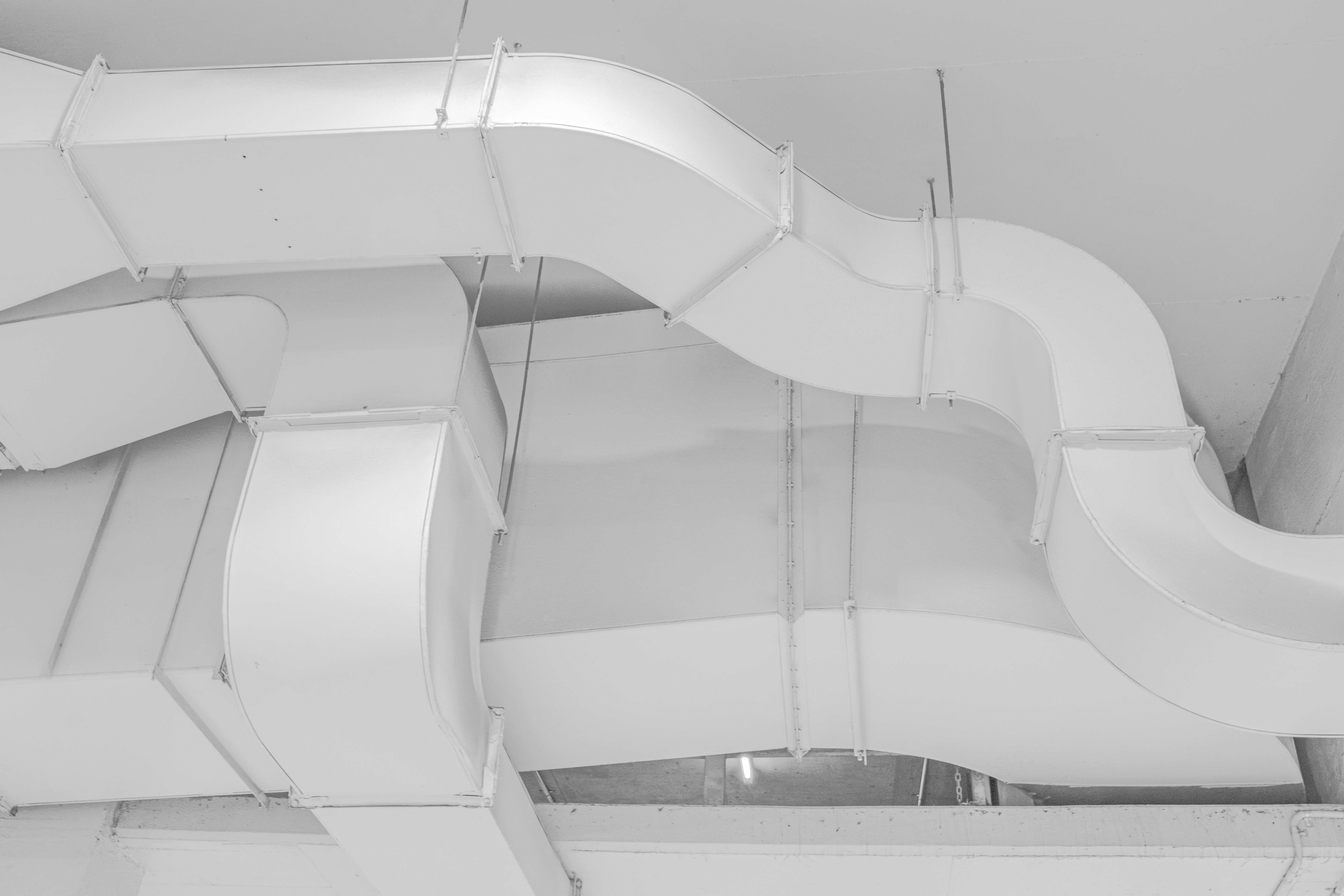
Ventilation in San Fernando, CA
Proper ventilation in San Fernando, CA is essential for comfortable, healthy indoor environments. With hot summers, occasional Santa Ana winds, and seasonal wildfire smoke that affects air quality across the San Fernando Valley, homes and businesses face unique indoor air challenges. Effective mechanical ventilation, balanced duct systems, and energy recovery strategies reduce odors, control humidity, and maintain compliance with state and local codes while minimizing energy penalties.
Why ventilation matters in San Fernando homes and buildings
San Fernando properties often deal with:
- High summer temperatures that increase cooling loads and drive reliance on sealed buildings with mechanical cooling.
- Periodic poor outdoor air quality from wildfire smoke or regional smog, which complicates the decision to bring in outside air.
- Older housing stock and retrofit commercial spaces with inadequate ductwork or no dedicated mechanical ventilation.
The right ventilation approach prevents moisture problems, reduces indoor pollutants and odors, and keeps conditioned air efficient. For residents and facility managers who want reliable indoor air quality without sacrificing energy performance, tailored ventilation solutions are critical.
Common ventilation issues in San Fernando, CA
- Inadequate fresh air delivery in tightly sealed homes or multifamily units.
- Excessive moisture and lingering bathroom or cooking odors in kitchens and baths.
- Duct leakage and poor airflow balance that creates hot and cold rooms and reduces system efficiency.
- Outdoor smoke infiltration during wildfire events and insufficient filtration for fine particulates.
- Systems that meet minimum airflow but fail to manage humidity, leading to discomfort or mold risk.
Types of ventilation services we address
- Whole-building ventilation assessments and system design for single-family homes, multifamily buildings, and commercial properties.
- Spot ventilation solutions for kitchens, bathrooms, laundry rooms, and localized odor sources.
- Design and installation of mechanical ventilation systems including supply, exhaust, and balanced systems.
- ERV (Energy Recovery Ventilator) and HRV (Heat Recovery Ventilator) selection and installation.
- Ductwork evaluation, sealing, insulation, and performance upgrades.
- Filtration upgrades for smoke and particulate control, including high MERV filters and HEPA options in critical spaces.
- Code compliance reviews to align systems with California Title 24, ASHRAE ventilation guidance, and applicable local requirements.
How we assess ventilation needs
A proper plan starts with a diagnostic assessment that includes:
- Building walkthrough to identify pollutant sources, moisture-prone areas, and typical occupant patterns.
- Measurement of existing airflow rates, static pressures, and duct leakage when accessible.
- Indoor air quality testing for CO2, humidity, and, when warranted, particulate matter or VOCs.
- Review of HVAC integration, thermostat controls, and zoning to ensure the ventilation strategy complements heating and cooling systems.
Assessments emphasize practical outcomes: achieving required fresh air rates, controlling humidity in critical zones, and protecting occupants during poor outdoor air events.
ERV vs HRV and when to choose each in San Fernando
- HRV (Heat Recovery Ventilator) transfers sensible heat between outgoing and incoming air. It is useful where humidity control is less critical and heat recovery is the priority.
- ERV (Energy Recovery Ventilator) transfers both heat and moisture, which helps maintain indoor humidity levels and reduces cooling loads when outside air is dry or when controlling humidity is important.
In San Fernando’s climate, an ERV often provides balanced benefits by reducing cooling energy during hot days while helping manage humidity swings and reducing the amount of conditioned air that must be re-cooled. During wildfire smoke events, either ERV or HRV paired with upgraded filtration provides controlled fresh air intake with lower particle penetration than opening windows.
Ductwork evaluation and upgrades
Ductwork problems commonly undermine ventilation performance. Key focus areas:
- Sealing leaks at connections, plenums, and joints to prevent loss of conditioned air and unfiltered infiltration.
- Adding insulation in unconditioned attics to reduce heat gain into ducts and preserve delivered air temperature.
- Correctly sizing supply and return paths to avoid pressure imbalances and improve whole-house airflow.
- Installing or upgrading return ducts and transfer grilles in multiroom layouts to allow balanced ventilation.
A thorough duct evaluation improves both indoor air quality and HVAC efficiency, translating to better comfort and lower operating costs.
Energy recovery, filtration, and humidity control options
- Energy recovery systems reclaim heat and moisture to reduce HVAC load.
- Filtration upgrades with high MERV ratings or localized HEPA filtration reduce fine particle ingress during wildfire smoke or high pollution days.
- Demand-controlled ventilation uses CO2 or occupancy sensors to modulate ventilation rates for energy savings in commercial spaces and multifamily common areas.
- Integrated humidity controls ensure ventilation does not introduce excessive moisture in cooler months or desiccate indoor air in dry periods.
Selecting the right components depends on building use, occupant sensitivity, and local air quality patterns.
Maintenance recommendations
Regular care keeps ventilation systems effective:
- Replace or clean filters per manufacturer recommendations and increase filter change frequency during wildfire season.
- Inspect and clean ERV/HRV cores annually and check motors and belts for wear.
- Test and recalibrate controls, CO2 sensors, and humidity sensors periodically to maintain proper demand-control performance.
- Recheck duct sealing and insulation after attic or roof work or every few years in older systems.
- Clean or service spot ventilation fans in kitchens and bathrooms to avoid grease buildup and reduced airflow.
Frequent, simple maintenance preserves system performance and prolongs equipment life.
Benefits of proactive ventilation planning for San Fernando properties
Properly designed and maintained ventilation in San Fernando, CA yields:
- Improved occupant comfort with consistent temperatures and humidity control.
- Better indoor air quality with fewer odors, lower particulate concentrations during smoke events, and reduced pollutant buildup.
- Energy-efficient fresh air delivery using ERV/HRV and demand control strategies.
- Compliance with state and local ventilation and energy codes, helping building owners meet regulatory expectations.
- Reduced risk of moisture-related problems and associated remediation costs.
Whether planning a new installation, retrofitting older ductwork, or upgrading filtration and controls, a systematic ventilation strategy tailored to San Fernando climate and air quality patterns delivers measurable comfort, health, and efficiency benefits.
Customer
Testimonials
Our customers consistently praise the exceptional service and professionalism of our team. They appreciate the honest advice, meticulous work, and the care taken to ensure their satisfaction.

.webp)
Service Areas
