

Ventilation in San Diego, CA

San Diego homes benefit from properly planned ventilation that improves indoor air quality, controls humidity, and reduces energy waste. This guide reviews coastal climate challenges - marine air, wildfire smoke, salt air - and common issues in airtight homes, including inadequate fresh air and poorly balanced systems. We outline solution types (ERVs, HRVs, spot ventilation, ducted and ductless options) and a thorough assessment process, from building surveys to code reviews. It also covers installation, commissioning, maintenance, and final considerations for durable, efficient ventilation in San Diego.
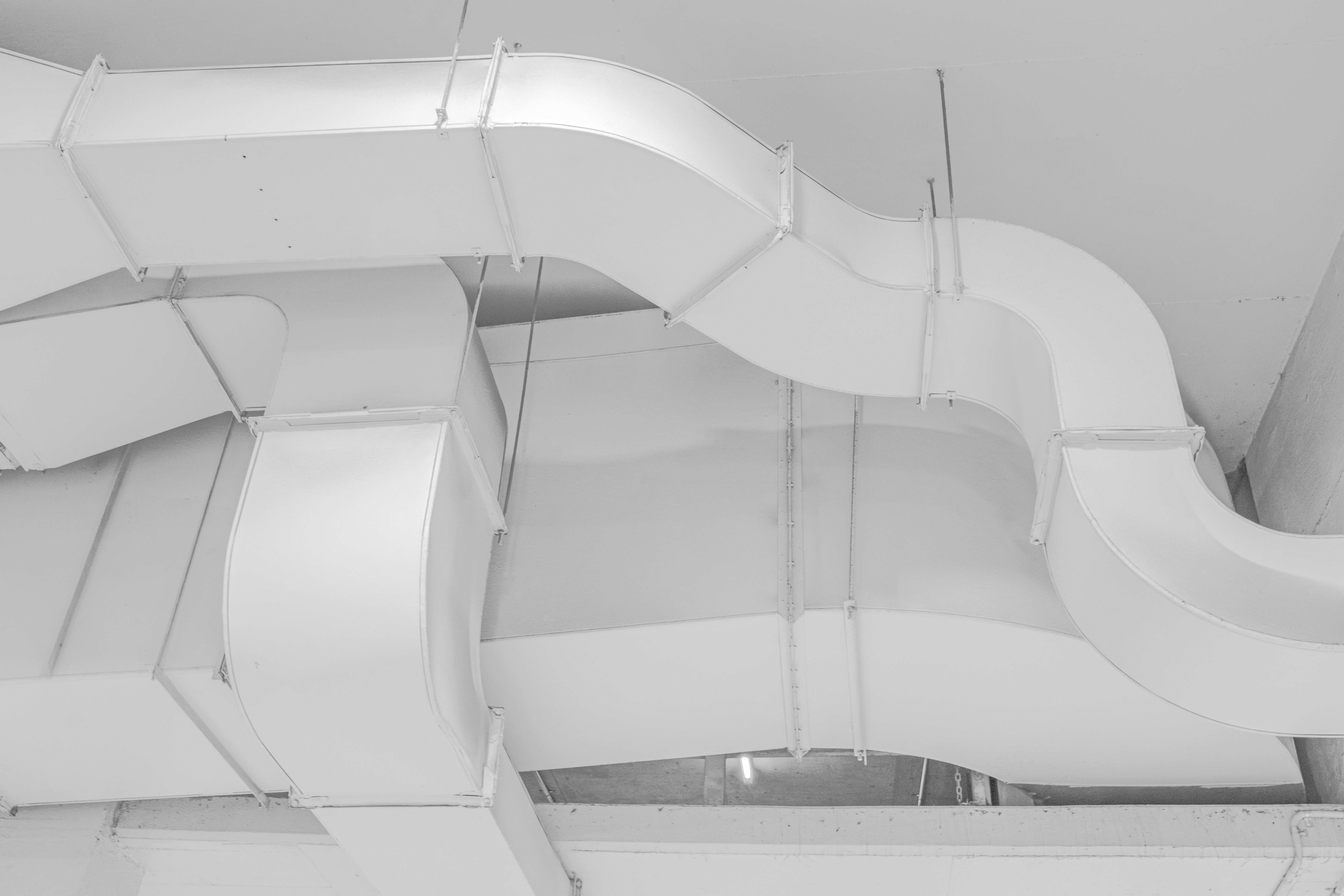
Ventilation in San Diego, CA
Good indoor ventilation is one of the most effective ways to protect indoor air quality, control humidity, and reduce energy waste in San Diego homes. Whether you are considering a whole-home mechanical system or targeted spot ventilation for kitchens and bathrooms, the right design, installation, and balancing make a measurable difference—especially here where marine air, periodic wildfire smoke, and a mix of older and newer building stock create unique ventilation needs.
Why ventilation matters in San Diego
San Diego’s mild coastal climate reduces extreme heating or cooling loads, but it also brings humidity from the marine layer and seasonal challenges such as wildfire smoke and salt air corrosion. Poor ventilation lets indoor pollutants accumulate (volatile organic compounds, pet dander, cooking particulates, and moisture), leading to odors, mold risk in bathrooms and attics, and degraded comfort. Proper mechanical ventilation designed to meet current codes and standards improves air quality, reduces moisture-driven problems, and can lower HVAC runtime when systems are balanced and energy recovery is used.
Common ventilation issues in San Diego homes
- Insufficient fresh-air exchange in newer airtight homes and retrofits
- High indoor humidity after marine layer mornings, causing mold in bathrooms and closet spaces
- Smoke infiltration during wildfire events, making filtration and controlled ventilation necessary
- Corrosion and reduced service life for exterior fans and ducting in coastal areas because of salt air
- Under-ventilated kitchens and bathrooms with inadequate local exhaust, causing persistent odors and moisture
- Systems not balanced after HVAC upgrades, leading to short-cycling or pressure imbalances
Types of ventilation solutions we evaluate and install
- Whole-home balanced systems: ERVs (Energy Recovery Ventilators) and HRVs (Heat Recovery Ventilators) for controlled fresh air exchange
- Spot/targeted ventilation: high-capacity bathroom and kitchen exhaust fans, continuous low-flow exhaust for moisture-prone rooms
- Supply-only systems when makeup air is required for range hoods or combustion equipment, with filtration options for smoke events
- Ducted and ductless mechanical ventilation tied into existing HVAC systems
- Inline fans, attic ventilation upgrades, and moisture-controlled ventilation for crawlspaces and attics
For San Diego, ERVs are often preferred because they transfer sensible heat and some moisture between incoming and outgoing air, helping manage morning marine humidity while providing energy-efficient ventilation. HRVs are useful in drier inland areas or when dehumidification is not a priority.
Assessment: how we determine ventilation needs
A thorough ventilation assessment includes:
- Building survey: age, envelope tightness, existing HVAC and duct layout, high-moisture areas, and local exposure (coastal or wildfire-prone).
- Code and standards review: comparison to California requirements (Title 24 and relevant mechanical codes) and ASHRAE 62.2 guidelines for residential ventilation rates.
- Measurement: blower door or envelope tightness testing when needed, humidity logging, CO2 and particulate baseline readings, and airflow measurements at existing vents.
- Occupancy and usage patterns: family size, cooking habits, presence of indoor sources (smokers, pets, combustion appliances).
- Filtration and smoke response needs: recommended MERV rating for filters and bypass/recirculation strategies during smoke events.
This diagnostic step defines whether a balanced ERV/HRV, an exhaust-only strategy, or a hybrid system best matches code compliance, indoor air quality goals, and energy considerations.
Installation and system balancing: what to expect
- Equipment selection: capacity sized to meet continuous ventilation rates per ASHRAE 62.2 and Title 24. ERV cores rated for coastal use are chosen to resist corrosion.
- Placement: intake and exhaust locations are sited to avoid short-circuiting, nearby pollution sources, and to meet outdoor air quality considerations during wildfire season. Intake protection and elevated locations are considered.
- Ducting and noise control: insulated duct runs, vibration isolation, and sound attenuators reduce noise, important in attached homes and condos.
- Commissioning and balancing: after installation the system is tested with flow hoods and manometers to set precise CFM values, confirm supply and exhaust balance, and measure whole-house pressure. Proper balancing prevents backdrafting of combustion appliances and avoids pressurization that forces moist air into building assemblies.
- Controls: timers, demand-control features (humidity or CO2-based), and integration with HVAC controls allow efficient operation and reduced energy use.
Typical project timelines vary by scope. Whole-home ERV installs often require routing ductwork and a full commissioning visit, while spot ventilation installs can be completed in a day or two.
Energy, humidity control, and indoor air quality benefits
- Reduced HVAC load: recovering heat or conditioning from exhaust air reduces the energy penalty of bringing in outdoor air in many scenarios.
- Moisture management: ERVs moderate incoming moisture during humid marine mornings, reducing condensation and mold risk.
- Better pollutant control: continuous balanced ventilation lowers indoor pollutant concentrations and provides a strategy for keeping indoor air cleaner during wildfire events when combined with appropriate filtration and controlled operation modes.
- Comfort and durability: balanced pressure and properly sized ventilation reduce building envelope stress and prolong finishes and HVAC equipment life.
Maintenance recommendations
- Quarterly visual checks of intakes and exhaust terminations for debris, bird screens, and salt buildup in coastal areas.
- Clean or replace filters seasonally, and use higher MERV ratings during smoke season if the system and HVAC allow.
- ERV/HRV core cleaning once or twice a year depending on pollutant loads; inspect seals and condensation trays to prevent microbial growth.
- Annual service to verify airflow balance, motor operation, and control function.
- For coastal installations, use corrosion-resistant fasteners and check exterior grilles and ducts more frequently.
Examples of local projects (anonymized)
- Retrofit ERV for a 1920s Craftsman in North Park: envelope tightening during a recent upgrade reduced natural ventilation; an ERV installed with insulated duct runs and a demand-control humidity sensor reduced bathroom condensation and cut peak HVAC runtime by measurable amounts while meeting Title 24 mechanical ventilation rates.
- Spot ventilation and attic moisture control for a coastal condo in La Jolla: upgraded bath and kitchen fans to ASHRAE-compliant continuous low-flow exhaust with high-MERV filtration and an inline attic ventilator. The project eliminated persistent mildew in closets and improved occupant comfort during marine layer events.
Final considerations for San Diego homeowners
Selecting the right ventilation strategy in San Diego means balancing energy efficiency, moisture control, and wildfire smoke resilience. For most coastal and moderate-climate homes, balanced ERV systems with proper filtration provide the best combination of humidity control and energy savings. Older homes may benefit most from targeted spot ventilation combined with selective whole-home strategies to meet code and indoor air quality goals. Proper assessment, code-aware design, careful installation, and routine maintenance are the keys to a ventilation system that protects health, preserves your home, and works efficiently in San Diego conditions.
Customer
Testimonials
Our customers consistently praise the exceptional service and professionalism of our team. They appreciate the honest advice, meticulous work, and the care taken to ensure their satisfaction.

.webp)
Service Areas
