

Thermostat Repair in Sherwood Forest, CA

Thermostat Repair in Sherwood Forest, CA page outlines how proper thermostat function maintains comfort and energy efficiency amid local temperature swings and smoky, humid conditions. It covers common symptoms such as blank displays, inaccurate readings, wiring faults, calibration drift, and smart thermostat connectivity, plus on-site diagnostic steps and repair actions. The guide explains when repair is appropriate versus replacement, typical turnaround expectations, preventive maintenance tips, and best practices to help Sherwood Forest homeowners achieve reliable climate control.
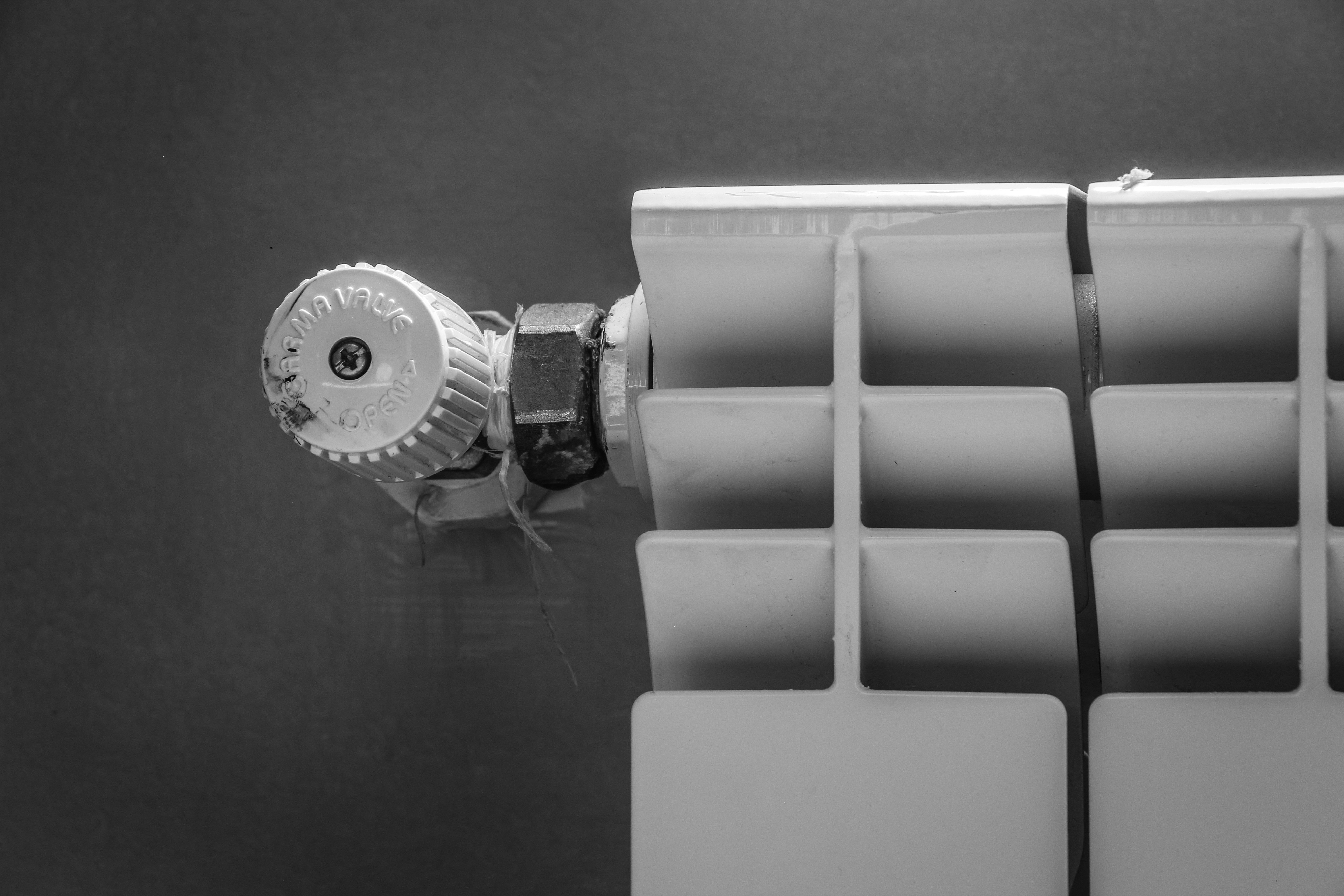
Thermostat Repair in Sherwood Forest, CA
Reliable thermostat performance keeps your home comfortable and your energy bills under control. In Sherwood Forest, CA, where daily temperature swings and seasonal smoke and humidity can affect HVAC behavior, a properly functioning thermostat is essential. This page explains common thermostat problems in Sherwood Forest homes, the diagnostic steps technicians use, on-site troubleshooting and repair options, typical turnaround expectations, and clear guidance on when to repair versus replace.
Why thermostat health matters in Sherwood Forest, CA
Thermostats are the control hub for heating and cooling. In this region, the combination of warm summer afternoons, cooler nights, and occasional high-humidity or smoky conditions requires accurate temperature and sensor performance. A misreporting or intermittent thermostat can cause:
- Uneven temperatures between rooms
- Overworking of HVAC equipment and higher energy use
- Short cycling or prolonged runtime that shortens equipment life
- Inability to control ventilation or filtration systems during poor air quality events
Timely thermostat repair restores comfort, improves efficiency, and helps maintain indoor air quality controls that many Sherwood Forest residents rely on.
Common thermostat issues in Sherwood Forest, CA
Technicians in the area see the same handful of issues repeatedly. Knowing these helps you understand what a repair visit will focus on.
- Blank or unresponsive display: Often caused by dead batteries, loose wiring, or failed backlights.
- Inaccurate temperature readings: Sensor drift, poor placement (near direct sun, vents, or exterior walls), or internal sensor failure can give incorrect room readings.
- Wiring problems: Loose, corroded, or missing wires—including lack of a common “C” wire for power—cause intermittent operation or loss of Wi-Fi on smart units.
- Calibration drift: Older thermostats can lose calibration over time and need recalibration to match actual room temperature.
- Communication failures with HVAC equipment: Thermostat sends commands but the furnace or air handler does not respond due to compatibility or wiring issues.
- Smart thermostat connectivity and software issues: Wi-Fi dropouts, firmware glitches, or cloud account problems can prevent remote control or scheduling.
- Physical damage and wear: Buttons, touchscreens, or internal components can wear out from use or environmental exposure.
Diagnostic procedures used on-site
A clear, methodical diagnostic approach ensures accurate repair recommendations. Typical steps include:
- Visual and power check: Inspect the thermostat housing, display, and batteries; verify the thermostat has correct low-voltage power or battery voltage.
- Thermometer cross-check: Compare thermostat readings to a calibrated handheld thermometer to confirm accuracy and identify sensor drift.
- Wiring inspection: Remove the thermostat cover to verify wire connections, look for corrosion, loose terminals, or incorrect labeling.
- System communication test: Command the HVAC system manually via the thermostat to confirm the furnace/air handler and AC respond properly.
- Software and settings review: For smart units, check Wi-Fi connectivity, firmware version, and scheduling or mode settings that might appear as faults.
- Environmental assessment: Note placement issues (direct sunlight, drafts, near heat sources) that cause false readings or frequent cycling.
On-site troubleshooting, repair, and testing
Once diagnostics identify root causes, technicians typically proceed with one or more of the following actions:
- Battery replacement and display fixes: Quick fixes for blank displays and intermittent operation.
- Recalibration: Adjust internal sensors so displayed temperature matches the actual room temperature.
- Secure and clean wiring: Tighten terminals, clean corroded contacts, and re-label wires for clarity.
- Install or verify C-wire: Add a common wire or install a power adapter for smart thermostats that need constant power.
- Replace failed components: Swap out damaged buttons, circuit boards, sensors, or the entire thermostat module if necessary.
- Firmware updates and factory resets: Restore smart thermostats to stable operation by updating software or reconfiguring accounts.
- Functional testing: After repairs, run the HVAC through heat, cool, and fan cycles and recheck temperature accuracy over a short monitoring period to confirm stability.
Technicians follow safe practices such as turning off low-voltage power at the breaker before working on wiring and verifying proper reconnection after repairs.
Typical turnaround times
Turnaround depends on the issue found:
- Simple fixes (batteries, recalibration, securing wires): Often completed during the same visit.
- Component replacement (boards, sensors): Usually completed same day if parts are on hand; otherwise parts may be ordered and returned within a few days.
- Smart thermostat reconfiguration or network troubleshooting: Typically resolved on-site but may require follow-up if parts or external network changes are needed.
In Sherwood Forest, many problems are resolved in a single visit due to the prevalence of standard residential thermostats, but advanced systems or rare parts may extend completion time.
Repair vs replacement: how to choose
Deciding whether to repair or replace depends on several factors:
Repair is often appropriate when:
- The issue is localized (batteries, sensor drift, loose wiring).
- The thermostat is otherwise functioning and compatible with your HVAC system.
- You want to preserve settings or a professionally configured control schedule.
- The unit is relatively new and not suffering repeated failures.
Replace when:
- The thermostat is older and repeatedly failing or has obsolete parts.
- You need modern features such as smart scheduling, remote monitoring, improved integration with air quality controls, or better energy reporting.
- The internal electronics are burned or water damaged.
- The thermostat is incompatible with newer HVAC components (for example, modern heat pumps or multi-stage systems) and would limit system performance.
For Sherwood Forest homes, replacing with a smart or more accurate thermostat can offer better control during wide temperature swings and improved filtration or ventilation scheduling during wildfire smoke events. However, if a simple calibration or wiring fix restores reliable operation, repair is the lower-impact choice.
Preventive maintenance and local considerations
To extend thermostat life and improve accuracy in Sherwood Forest:
- Keep the thermostat away from direct sunlight, exterior walls, doors, and vents.
- Replace batteries annually and check for firmware updates on smart models.
- Schedule HVAC system tune-ups seasonally to catch communication or control issues early.
- Consider adding a professional-calibrated indoor thermometer to compare readings periodically.
- If your area experiences frequent smoke or high humidity, select thermostats with compatible ventilation or air quality integration.
Accurate thermostat performance is a foundation for comfortable, efficient homes in Sherwood Forest, CA. Proper diagnosis, timely repair, and informed decisions about replacement help preserve HVAC efficiency and indoor comfort through local seasonal challenges.
Customer
Testimonials
Our customers consistently praise the exceptional service and professionalism of our team. They appreciate the honest advice, meticulous work, and the care taken to ensure their satisfaction.

.webp)
Service Areas
