

Thermostat Repair in Riverside, CA

Riverside thermostat repair guidance explains how common issues from power and wiring faults to sensor drift and display failures affect comfort and energy use. The diagnostic process covers on-site inspections, voltage checks, sensor testing, and smart-thermostat connectivity reviews to determine whether repair or replacement is best. Guidance on when to repair versus replace emphasizes age, compatibility, and future needs, with options for running a new C-wire, adapters, or C-wireless thermostats. Turnaround times range from minutes to hours, depending on complexity.
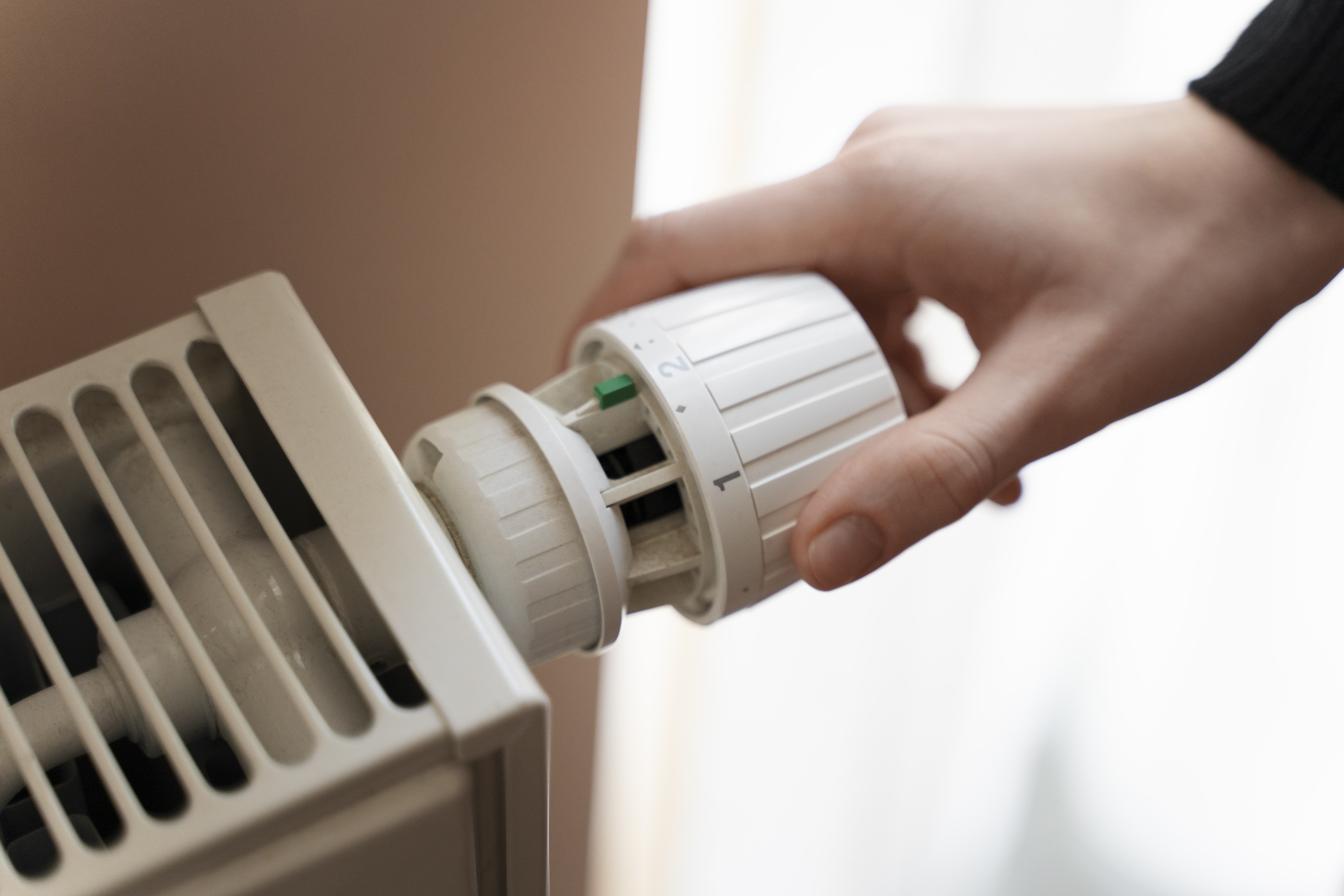
Thermostat Repair in Riverside, CA
A properly functioning thermostat keeps your Riverside home comfortable, protects your HVAC system, and controls energy use. When the thermostat fails — whether it shows a blank display, cycles the system erratically, or simply won't call for heat or cooling — the result is discomfort, higher bills, and potential strain on older equipment. This service page explains common thermostat problems in Riverside homes, how diagnostics work, when repair makes sense versus replacement, typical turnaround expectations, and preventative steps to avoid repeat issues.
Common thermostat issues in Riverside, CA
Riverside’s hot summers, dusty winds, and older housing inventory create a few recurring thermostat problems:
- Power and wiring problems
- Dead batteries, missing or faulty C-wire (common wire), loose terminal connections, corroded wires from humidity or dust.
- Sensor faults and calibration drift
- Temperature sensor errors, poor placement (near direct sunlight, kitchen, or heating equipment), or sensors shifting out of tolerance causing incorrect temperature readings.
- Display and interface failures
- Blank or flickering displays, unresponsive buttons, or touchscreen malfunctions — common with aging digital and programmable thermostats.
- Communication and control issues
- Smart thermostats failing to connect to Wi-Fi, losing communication with the HVAC control board, or not recognizing multi-stage or heat pump systems.
- Mechanical wear in legacy thermostats
- Mercury switches or aging mechanical components that stick or become unreliable.
- Environmental and installation-related problems
- Thermostats located near air leaks, vents, or walls exposed to sun/heat; dusty enclosures causing intermittent faults.
Diagnostic process: what to expect
A focused diagnostic is the first step to determine whether a repair or replacement is the best option. Typical on-site diagnostic steps include:
- Visual inspection
- Check thermostat location, mounting, and visible damage. Inspect wiring terminals, battery compartment, and the unit’s condition.
- Power verification
- Confirm the thermostat has power (battery or low-voltage 24V system). Test for a functioning C-wire and check fuse or transformer status if available.
- Electrical and continuity checks
- Measure voltage to the thermostat, check continuity of control wires, and test for shorts or open circuits.
- Sensor and control testing
- Compare thermostat temperature readout to a calibrated thermometer; run manual system calls (heat/cool/fan) to verify proper relay and control board response.
- Software and connectivity review (for smart thermostats)
- Inspect firmware version, Wi-Fi connectivity, account setup, and compatibility with existing HVAC equipment.
- System-level inspection
- Confirm the thermostat’s signals are properly activating the furnace/air handler or outdoor compressor. Review error codes from HVAC control boards if present.
- Estimate and recommendation
- Provide a clear explanation of the fault, recommended repair or replacement options, and expected turnaround.
On-site repair vs replacement: guidance for Riverside homeowners
Deciding to repair or replace depends on age, compatibility, frequency of failures, and desired features.
- Repair makes sense when:
- The issue is isolated (dead battery, loose wire, faulty terminal, or replaceable sensor).
- The thermostat is relatively new and otherwise fully compatible with your HVAC system.
- You want to preserve an existing programmable setup and save short-term cost.
- Replace when:
- The thermostat is older than 8 to 10 years, uses obsolete components (mercury switches), or shows multiple failures.
- It lacks necessary wiring for modern systems (missing C-wire) and a long-term fix would be more reliable and cost-effective.
- You plan to upgrade to a Wi-Fi or smart thermostat for better energy management and remote control.
- The HVAC system is multi-stage or a heat pump and the current thermostat is not properly controlling stages or auxiliary heat.
For many Riverside homes lacking a C-wire, solutions include running a new common wire, installing a C-wire adapter, or selecting thermostats designed to work without a dedicated C-wire. Each option has tradeoffs in reliability and long-term convenience.
Typical turnaround times
Turnaround depends on the diagnosis and whether parts are required. Typical expectations are:
- Diagnostic visit: 30 to 90 minutes.
- Simple on-site repairs (batteries, loose wiring, sensor adjustment, minor parts): 30 to 60 minutes.
- Full thermostat replacement (standard unit): 1 to 3 hours, including configuration and system testing.
- Smart thermostat setup or complex integration (multi-stage systems, heat pumps): 1 to 4 hours.
- If specialized parts or wiring are required, scheduling and delivery can extend completion to several days.
These are typical timelines and will vary based on part availability and the complexity of your HVAC system.
Preventative maintenance tips to avoid future failures
Small, routine steps keep thermostats reliable and extend the life of your HVAC controls:
- Replace thermostat batteries at least once a year or whenever low-battery is indicated.
- Keep the thermostat clean and free from dust. Gently vacuum vents and use a soft brush to remove debris inside the cover occasionally.
- Ensure the thermostat is mounted on an interior wall away from direct sunlight, drafts, kitchen heat, or exterior doors.
- Verify the thermostat’s firmware is up to date for smart thermostats and reconnect to Wi-Fi after router changes.
- Schedule annual HVAC tune-ups; techs can test thermostat operation, calibrate sensors, and inspect wiring during routine maintenance.
- Install surge protection for HVAC control circuits in areas subject to electrical storms or power irregularities.
- If you live in older Riverside homes, consider upgrading wiring when doing other renovations to support modern thermostat features (C-wire ready).
Benefits of timely thermostat repair
Addressing thermostat problems promptly in Riverside homes prevents uncomfortable living conditions during hot summers and cool desert nights, lowers unnecessary energy use, and reduces strain on your HVAC equipment. Timely repair can restore accurate temperature control, enable energy-saving schedules, and avoid more expensive system failures caused by short-cycling or prolonged run times. For homeowners considering smart thermostats, resolving control and wiring issues first ensures a solid foundation for improved comfort and energy management.
If your thermostat is acting up, a systematic diagnostic will identify whether a straightforward repair or a more durable replacement best protects your comfort and system performance in Riverside, CA.
Customer
Testimonials
Our customers consistently praise the exceptional service and professionalism of our team. They appreciate the honest advice, meticulous work, and the care taken to ensure their satisfaction.

.webp)
Service Areas
