

Thermostat Repair in Redondo Beach, CA

The Thermostat Repair Redondo Beach CA service page explains why a correctly functioning thermostat matters for year-round comfort and energy efficiency in coastal homes. It outlines common local issues such as sensor drift, wiring problems, power and display failures, and connectivity challenges for smart devices. The page describes the diagnostic approach technicians use to pinpoint faults, typical repair procedures, and parts replacement options, with safe homeowner troubleshooting tips, response times, warranties, and the benefits of timely maintenance in Redondo Beach.
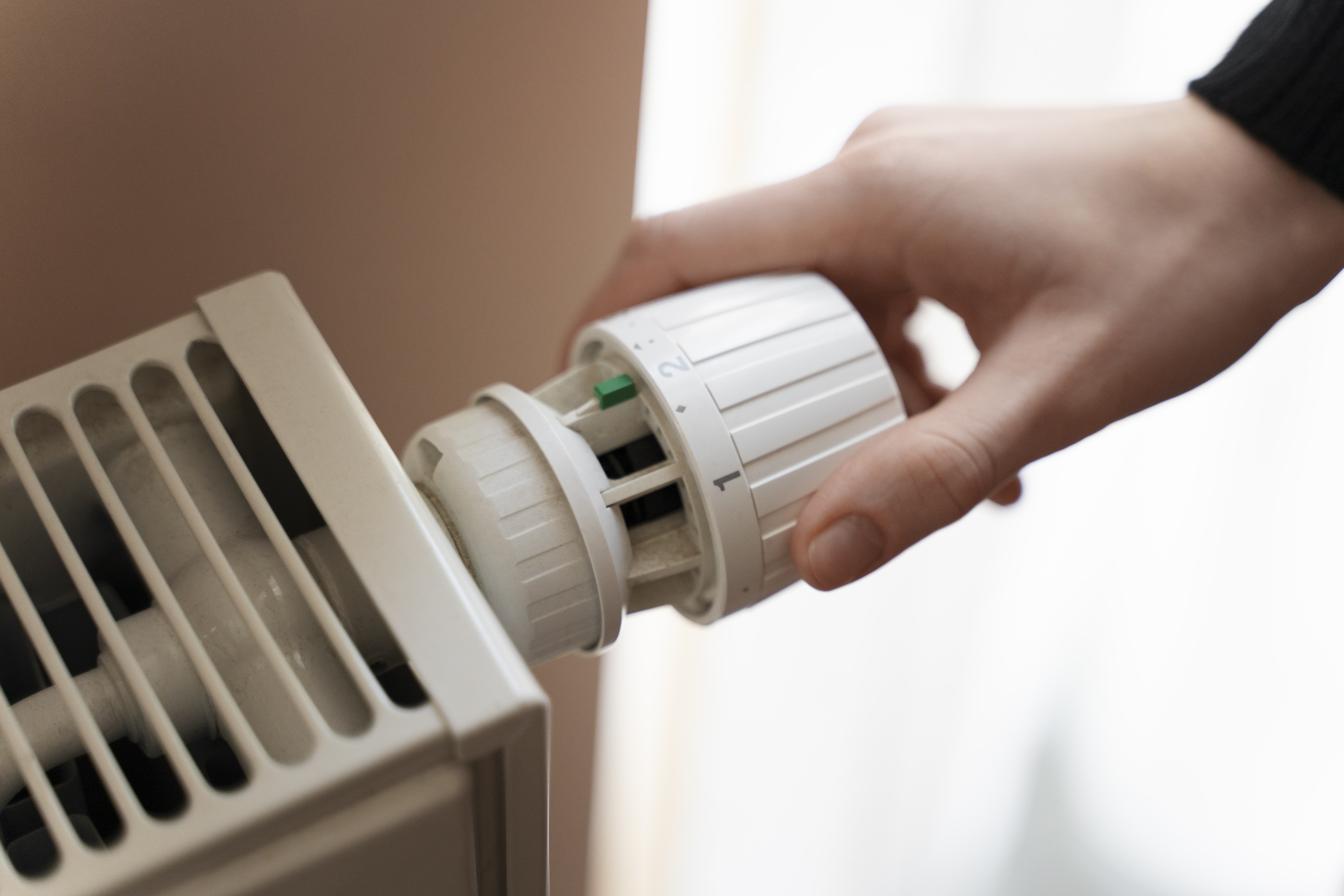
Thermostat Repair in Redondo Beach, CA
Keeping your thermostat working correctly is essential for year‑round comfort in Redondo Beach, CA. Whether your home’s temperature cycles erratically, the display is blank, or your smart thermostat won’t connect, timely thermostat repair prevents energy waste, extends HVAC equipment life, and restores reliable control of heating and cooling. This page explains common thermostat problems in Redondo Beach homes, how technicians diagnose and repair them, straightforward troubleshooting you can try safely, typical response and repair expectations, and what to expect from parts and workmanship protection.
Common thermostat issues in Redondo Beach homes
Coastal Southern California homes face specific stressors that influence thermostat performance. Salt air, humidity swings, and variable sun exposure can accelerate wear and create recurring symptoms:
- Temperature inconsistencies: System runs too long or short, or rooms never reach setpoint. Often caused by sensor drift, miscalibration, or incorrect thermostat placement.
- Faulty sensors: Internal temperature sensors can fail or read inaccurately from humidity or corrosion.
- Wiring problems: Loose or corroded terminals, damaged cable, or missing common (C) wire for smart thermostats.
- Display or power issues: Blank screens, intermittent power due to weak batteries, failed 24V transformer, tripped fuse, or poor connections.
- Communication/connectivity problems: Wi‑Fi pairing failures or cloud‑sync issues with smart thermostats, common in multi‑unit buildings or where router placement is distant.
- Heat pump and mode errors: Incorrect thermostat settings for heat pump systems or legacy wiring causing mode conflicts.
- Physical damage or aging: Sun‑fading, salt corrosion on terminals, or degraded circuitry in older units.
Types of thermostat services offered
Technicians tailor repairs to the root cause and the home’s HVAC system type. Typical services include:
- Diagnostics and system troubleshooting
- Sensor replacement or recalibration
- Wiring repair or retermination; adding a C‑wire or power adapter
- Transformer or fuse replacement (low‑voltage power fixes)
- Display and control board replacement
- Smart thermostat reconfiguration, firmware update, or network troubleshooting
- Thermostat relocation for better sensing accuracy
- Full thermostat replacement and professional setup for compatibility with HVAC equipment
Diagnostic approach: what a technician will check
A systematic diagnostic prevents unnecessary parts replacement and ensures the fix is permanent. Expect these steps during an on‑site inspection:
- Verify the complaint by checking system response to thermostat commands and measuring actual temperature changes.
- Inspect the thermostat location for heat sources, drafts, or direct sunlight that could skew readings.
- Check power: batteries, 24V supply from the furnace/air handler transformer, and inline fuses.
- Examine wiring at the thermostat and the HVAC control board for loose connections, corrosion from coastal air, or damaged insulation.
- Test internal sensor and control board functions with multimeter readings and manufacturer diagnostics.
- For smart thermostats, run network diagnostics and check compatibility with the system (heat pump, multi‑stage equipment).
Diagnostics are performed using industry tools and manufacturer procedures so repairs target the exact failure.
Typical repair procedures and parts replacement
Once the problem is identified, common repair steps include:
- Sensor repair or replacement: Replacing an internal sensor or recalibrating the thermostat.
- Wiring repair: Cleaning corroded terminals, reterminating wires, or running a new thermostat cable if needed.
- Power restoration: Replacing a failed transformer or replacing blown fuses and installing or fixing the C‑wire or a power extender kit for smart thermostats.
- Display or control board replacement: Swapping out failed control boards or displays to restore full functionality.
- Smart thermostat provisioning: Installing and configuring a replacement smart thermostat, updating firmware, and testing remote control and scheduling.
- Relocation: Moving the thermostat to a neutral location for accurate room temperature sensing, especially if current placement is near a heat source or draft.
Parts commonly used include manufacturer‑specified sensors, low‑voltage transformers, terminal blocks, control boards, and compatible programmable or smart thermostat units.
Homeowner troubleshooting tips (safe, low‑risk)
Before scheduling professional repair, try these basic checks that require no tools or only basic batteries:
- Replace thermostat batteries if the display is dim or blank.
- Confirm the thermostat is set to the correct mode (heat/cool/auto) and desired temperature.
- Inspect the thermostat for visible dirt, insect nests, or salt buildup; gently remove with a dry, soft brush.
- Check the HVAC circuit breaker and the furnace/air handler switch to ensure power is on.
- For smart thermostats, verify home Wi‑Fi is working and try restarting the router.
Do not open the thermostat or handle wiring unless you are confident and the power is off. For wiring or electrical work, professional service is recommended.
Response times and repair expectations in Redondo Beach
Technicians serving Redondo Beach commonly provide prioritized diagnostics because coastal humidity and salt exposure can accelerate failures. Typical expectations:
- Initial diagnostic visit often occurs the same day or within 24–48 hours depending on scheduling and seasonal demand.
- On‑site diagnostics usually take 30–90 minutes to identify the root cause.
- Simple repairs (battery replacement, loose terminal tightening, software reset) can often be completed during the first visit.
- Complex wiring work, transformer replacement, or thermostat relocation may require additional time or a follow‑up appointment for parts and safe completion.
- Smart thermostat setups include testing connectivity and verifying compatibility with local HVAC systems like heat pumps or multi‑stage AC systems.
Warranties and workmanship protection
Reputable repair work generally includes protection on parts and labor. Typical provisions you can expect:
- Manufacturer warranties on replacement parts and thermostats for defects per the part maker’s terms.
- Short‑term service warranties on labor and installation to ensure the repair resolves the issue.
- Clear documentation of the work performed and parts installed, helpful for future diagnostics or warranty claims.
Terms vary by manufacturer and service provider; technicians typically outline warranty coverage in the service documentation.
Benefits of timely thermostat repair and maintenance
Prompt thermostat repair in Redondo Beach homes reduces energy waste and wear on HVAC systems, improves comfort control, and avoids larger failures like compressor short‑cycling. Regular checks or seasonal inspections catch minor issues—like corroded terminals or weak sensors—before they cause system inefficiency. For homes near the coast, preventive attention to corrosion and power supply reliability pays off by extending thermostat lifespan and preserving consistent comfort.
Regular maintenance paired with timely thermostat repair helps your HVAC system run efficiently, lowers energy bills, and keeps indoor temperatures steady through Redondo Beach’s mild but variable climate.
Customer
Testimonials
Our customers consistently praise the exceptional service and professionalism of our team. They appreciate the honest advice, meticulous work, and the care taken to ensure their satisfaction.

.webp)
Service Areas
