

Thermostat Repair in Ontario, CA

Ontario, CA thermostat repair services diagnose and fix issues that disrupt comfort and increase energy costs. Technicians assess displays, readings, wiring, sensors, and smart connectivity, then propose repair, recalibration, or replacement. Common problems include dead displays, inaccurate temperatures, loose connections, sensor drift, short cycling, and post-storm failures. Diagnostics cover power checks, sensor verification, firmware updates, and test calls to HVAC equipment. Timely repair improves efficiency, reduces wear, and preserves system reliability, with clear options and transparent pricing for homeowners today.
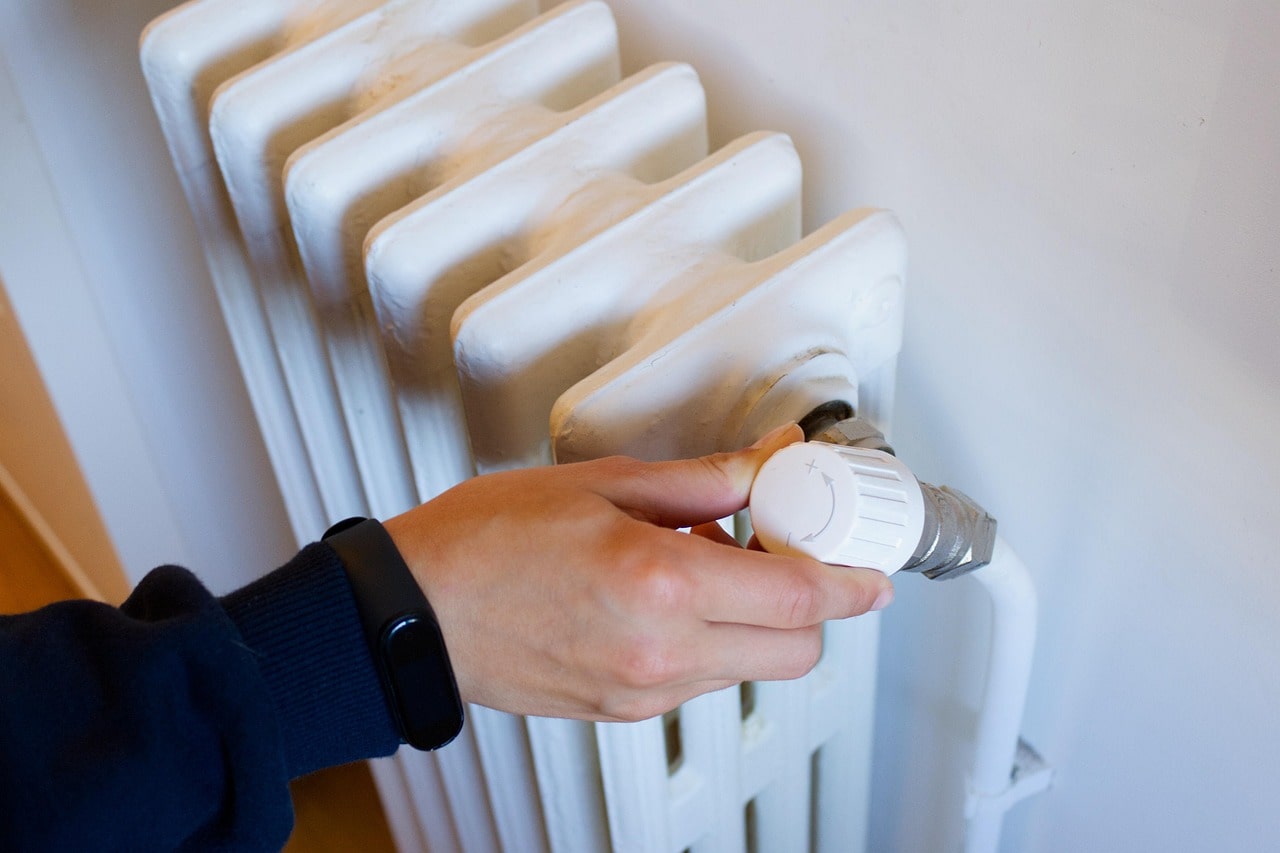
Thermostat Repair in Ontario, CA
A correctly functioning thermostat is the control center for your home comfort. In Ontario, CA homes the thermostat does more than set temperatures; it protects HVAC equipment, controls energy use, and keeps indoor spaces comfortable through long, hot summers. If your thermostat shows a dead display, reads temperatures incorrectly, or causes short cycling, timely thermostat repair can restore comfort, improve efficiency, and prevent more costly HVAC damage.
Common thermostat repair issues in Ontario, CA
Understanding common thermostat problems helps you recognize when repair is needed. In Ontario, CA the local climate and home conditions make some issues more frequent.
- Dead or blank display
Batteries, loose wiring, or failed internal electronics are typical causes. High summer AC usage can accelerate electronic wear. - Inaccurate temperature reading
Sensor drift, poor placement (in direct sunlight or near vents), or a failed thermistor can lead to rooms that never reach setpoint. - Wiring faults and loose connections
Vibrations, dust, or previous DIY installations often produce intermittent contacts that lead to system failures. - Sensor failures and offset readings
Internal sensors fail or become contaminated; older mechanical thermostats may be out of calibration. - Short cycling or constant running
Faulty thermostat relays, incorrect configuration, or incompatible equipment settings can make the system cycle improperly. - Smart thermostat connectivity problems
WiFi dropouts, firmware issues, or insufficient power from missing C-wire connections are common with smart units. - Erratic behavior after storms or power surges
Ontario experiences occasional summer storms and power fluctuations that can damage electronic thermostat components.
What technicians check during diagnostics
A technician follows a structured troubleshooting sequence to quickly identify the root cause and recommend repair or replacement.
- Visual inspection of the thermostat, wiring, and mounting plate for obvious damage or loose wires.
- Check power: measure voltage at the thermostat terminals and confirm the presence of a C-wire when required.
- Replace batteries and perform a hard reset on digital thermostats to rule out simple failures.
- Test calls to the HVAC equipment to see how furnace/air conditioner respond to thermostat signals.
- Measure temperature at the thermostat and compare to a handheld thermometer to confirm sensor accuracy.
- Inspect control board and relays for corrosion or burnt contacts when applicable.
- For smart thermostats, verify WiFi signal strength, account settings, and firmware version.
Typical diagnostic visits are focused and aim to leave you with clear options: repair, recalibration, or replacement.
Repairs and parts commonly replaced
Repairs focus on restoring reliable operation with the right parts.
- Batteries and internal fuses — quick fixes for blank displays or intermittent power.
- Sensors and thermistors — replaced when temperature readings are out of tolerance.
- Display modules or full thermostat head units — when the screen or internal electronics fail.
- Relay switches or control boards — used in line-voltage or commercial controllers.
- Wiring connectors, terminals, and backplates — corrective work for loose or damaged wiring.
- C-wire power adapters or compatible thermostat baseplates — to support smart thermostat installs.
- Firmware updates and software troubleshooting — for connected smart thermostats that need configuration.
Many repairs are completed on the first visit. If a specific part must beordered, the technician will outline expected wait times.
Turnaround times you can expect
Timeframes vary by problem complexity and part availability.
- Simple fixes (battery replacement, loose wire, reset): 30 to 60 minutes.
- Sensor or display module replacements: 1 to 2 hours.
- Full thermostat replacement and setup (including smart thermostat integration): 1 to 3 hours depending on wiring and WiFi configuration.
- Parts-ordered repairs: commonly 2 to 7 business days if a special part is required; expedited parts may be available for common models.
- Diagnostics-only visits: typically 30 to 90 minutes on site.
Diagnostic fees versus replacement options
Understanding diagnostic fees and how they relate to repair decisions helps you choose the best path forward.
- A diagnostic fee covers the technician time, tools, and testing required to identify the issue. Many service models apply that fee toward the repair if you authorize work during the same visit.
- Repair is often the most economical choice for single-component failures such as batteries, displays, sensors, or loose wiring.
- Replacement becomes the better option when the thermostat is older, repeatedly fails, or is incompatible with modern HVAC systems. Smart thermostats also provide energy-saving features and remote control that a basic unit cannot.
- Consider total cost of ownership: repeated repairs on aging equipment often exceed the cost of a new, reliable thermostat that restores efficiency and provides consistent control.
- Manufacturer warranties on replacement thermostats and replacement parts can influence the decision between repair and replacement.
Preventative tips to avoid repeat problems
Small habits and seasonal checks can extend thermostat life and reduce future repair needs.
- Replace batteries annually and before the cooling season.
- Keep thermostats clean and free of dust. Gently vacuum vents around the unit and avoid using cleaning solutions on electronics.
- Avoid direct sunlight or drafts — relocate décor or blinds that expose the thermostat to heat sources.
- Ensure a stable WiFi and power source for smart thermostats; consider a surge protector for the HVAC control circuit if your area experiences storms.
- Verify proper thermostat placement during seasonal HVAC tune-ups; a technician can advise on optimal location.
- Schedule seasonal HVAC maintenance so thermostat issues are caught during system checks when equipment is already being inspected.
- Use manufacturer firmware updates for connected thermostats to maintain compatibility and security.
Benefits of timely thermostat repair in Ontario, CA homes
Prompt thermostat repair improves comfort, reduces energy bills, and protects HVAC equipment. In Ontario, CA where cooling demand is high, a properly calibrated thermostat prevents runaway cooling cycles and keeps systems operating efficiently. Timely action reduces the risk of heat-related component stress and helps homes maintain stable indoor temperatures during peak season.
If your thermostat is acting up, a clear diagnostic and an informed repair versus replacement decision will restore reliable control and comfort in your home.
Customer
Testimonials
Our customers consistently praise the exceptional service and professionalism of our team. They appreciate the honest advice, meticulous work, and the care taken to ensure their satisfaction.

.webp)
Service Areas
