

Thermostat Repair in Buena Park, CA

Chicago-based air conditioning installation page outlines fast, expert service for upgrading residential cooling systems. It highlights compliant installation practices, energy-efficient equipment, and emphasis on comfort, reliability, and cost savings. The content explains pre-installation assessments, seamless scheduling, and minimal disruption to daily life. It showcases technician qualifications, warranties, and post-install support, ensuring customer confidence. The page positions the company as local, responsive, and transparent, offering clear pricing, flexible financing options, and a focus on lasting performance and customer satisfaction and loyalty.
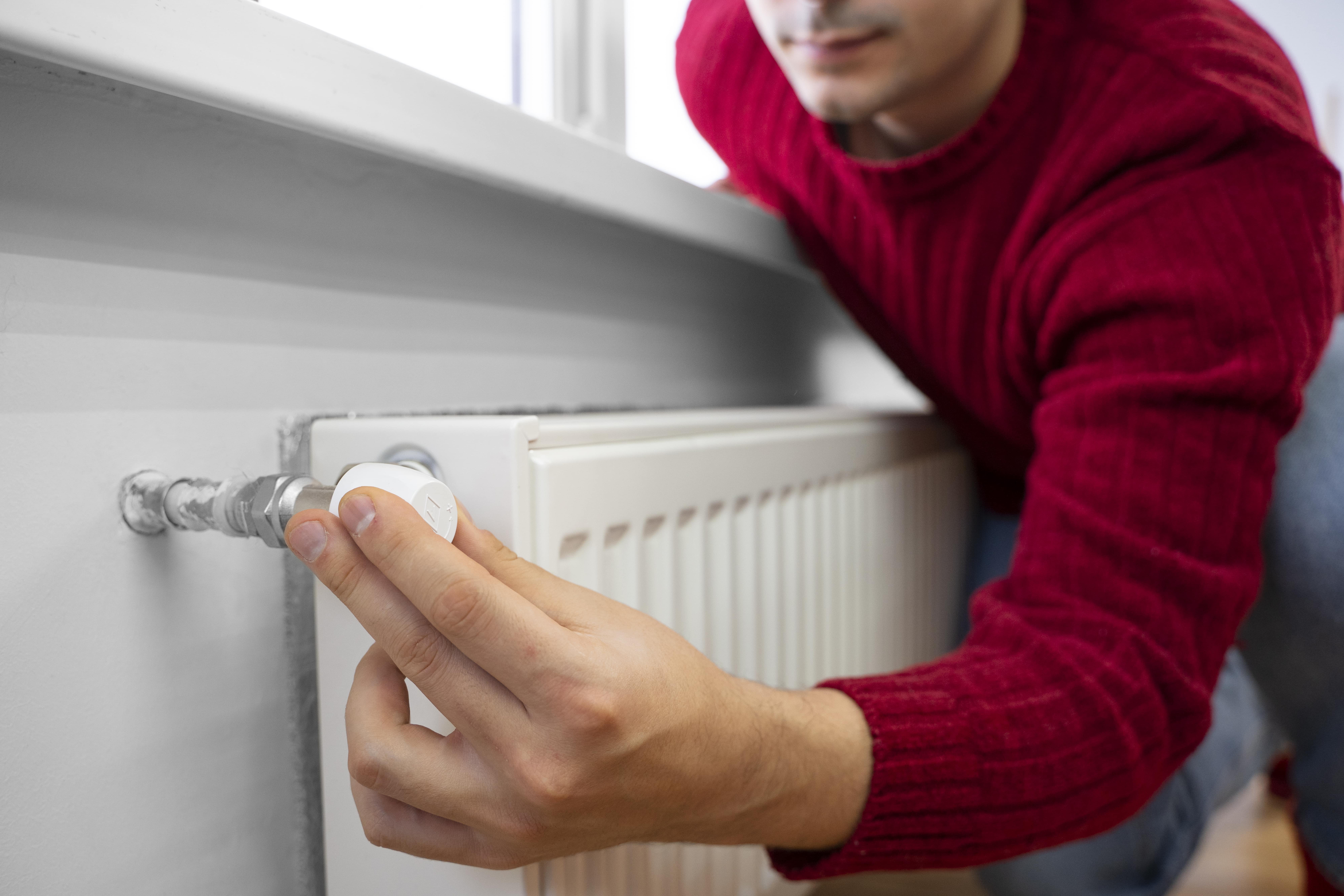
Thermostat Repair in Buena Park, CA
A properly functioning thermostat is the control center for your home comfort. In Buena Park, CA, where summer cooling is important and mild winters still require accurate temperature control, a failing thermostat can mean wasted energy, uneven temperatures, or an HVAC system that won’t run when you need it. This page explains common thermostat problems in Buena Park homes, the diagnostic and repair process, calibration and component replacement options, typical response times, troubleshooting you can try at home, warranty considerations, and when replacement is the better choice.
Common Thermostat Repair Issues in Buena Park, CA
Homeowners in Buena Park commonly face the following thermostat problems:
- Dead display or no power
Batteries, blown fuses, or a failed 24V transformer are frequent causes. Coastal air and older wiring can accelerate corrosion of terminals, leading to power loss. - Incorrect temperature reading
Sensor drift, poor thermostat placement (direct sunlight, near a kitchen, or above a heat-producing appliance), or a dirty sensor can cause the thermostat to read a different temperature than the rest of the house. - Relay or wiring problems
HVAC not turning on, intermittent operation, or short cycling are often caused by loose wires, failed relays on the control board inside the thermostat, or damaged wire insulation from rodents or staples. - Wi‑Fi or communication failures (smart thermostats)
Connectivity drops, failed firmware updates, or incompatible HVAC control wiring (missing C-wire) are common, especially when upgrading older systems. - Incorrect programming or settings
Scheduled setbacks not working, staging or heat pump settings misconfigured—leading to comfort issues or energy waste. - Mechanical thermostat failures
Older mercury or mechanical models can fail or become inaccurate over time and may no longer meet code or efficiency expectations.
Diagnostic Process: What to Expect
A thorough thermostat diagnosis follows a logical sequence to identify root causes, especially important in Orange County homes where varied housing stock and aging systems are common.
- Visual inspection — Check thermostat model, mounting location, visible wiring condition, and signs of corrosion or pest damage.
- Power verification — Confirm batteries, check circuit breakers and the 24V transformer at the air handler or furnace.
- Wiring continuity and voltage tests — Use a multimeter to verify each control wire and the transformer output.
- Sensor and reading comparison — Compare thermostat reading to a calibrated thermometer placed nearby to detect sensor drift or placement errors.
- System activation test — Command heating or cooling and observe system response, relay operation, and run cycles.
- Smart thermostat communication check — Verify network connectivity and compatibility with the HVAC system (C-wire presence, common wire).
- Report and options — After diagnosis you’ll receive a clear explanation of the problem, repair vs replacement options, and required parts.
Local factors like warm summers, salt air exposure, and older neighborhood wiring are considered during diagnosis to identify likely failure modes.
Calibration and Component Replacement
When problems are repairable without replacing the entire thermostat, common services include:
- Calibration — Adjusting the thermostat sensor to match an accurate thermometer; this can resolve minor temperature discrepancies.
- Replacing the temperature sensor — Swap a failed internal sensor for a like-for-like component in many digital models.
- Relay or switch replacement — Replace failed relays or contact switches that control the HVAC system.
- Transformer replacement — Swap a failing 24V transformer at the thermostat circuit or air handler.
- Terminal cleaning and rewiring — Remove corrosion, re-terminate wires, or run a new cable if insulation is damaged.
- Display or control board replacement — Repair or replace display modules on modern thermostats when electronics fail.
- Retrofit for smart thermostats — Add a C-wire adapter or run a new common wire when upgrading older systems to Wi‑Fi thermostats.
Each repair is accompanied by testing to confirm correct operation and compatibility with the existing HVAC equipment.
Estimated Response Times and Service Fees
Typical response timing for thermostat repair in Buena Park reflects local demand and the nature of the issue:
- Same-day service — Often available for urgent issues when parts are not required.
- Next-day scheduling — Common for non-emergency diagnostics and minor repairs.
- Emergency or expedited visits — Possible in heat waves or when HVAC loss poses a health risk.
Service fees vary based on the complexity of the diagnosis, parts required, and whether additional electrical or HVAC work is needed. A detailed estimate is provided after the diagnostic inspection so you understand recommended repairs and associated costs before work begins.
Troubleshooting Tips You Can Try Before Calling
If you prefer to try safe, simple checks yourself, consider these steps:
- Replace the thermostat batteries with fresh alkaline cells.
- Verify the HVAC breaker is on and the furnace/air handler switch is set to run.
- Make sure the thermostat is set to the correct mode (cool/heat/auto) and desired temperature is properly set.
- Gently remove the thermostat from the wall and inspect wiring for loose terminals or corrosion—do not disconnect wires unless you are comfortable working with low-voltage systems.
- For smart thermostats, reboot the device and your Wi‑Fi router, and check the app for error messages.
- Clean around the thermostat to ensure airflow and remove dust from sensors.
If any step reveals damaged wiring, burning smell, or you are unsure about electrical testing, professional diagnosis is recommended.
Warranty and Guarantee Information
Parts replaced are typically covered by the original manufacturer warranty for that component. Labor and workmanship commonly carry a limited guarantee period—industry-standard coverage ranges from short-term workmanship guarantees to longer manufacturer coverage on parts. Confirm warranty specifics for the parts installed and the terms of the workmanship guarantee at the time of repair.
When Replacement Is the Better Choice
Replacing a thermostat is usually recommended when:
- Failures are recurring and replacement cost is comparable to repeated repairs.
- The thermostat is obsolete or mechanical (mercury) and no longer reliable or code-compliant.
- You want improved efficiency, programmable schedules, or smart control features not supported by the existing unit.
- Compatibility issues (multi-stage systems, heat pumps, or lack of a C-wire) make reliable operation unlikely without a modern unit or additional system upgrades.
- The thermostat’s electronics are damaged by humidity, corrosion, or age and calibration no longer holds.
A replacement can provide better accuracy, energy savings, and remote control options—particularly valuable during warm Buena Park summers when consistent cooling matters.
Timely thermostat repair or appropriate replacement protects system efficiency, reduces energy waste, and restores steady comfort. Accurate diagnosis and the right fix ensure your HVAC operates reliably through seasonal peaks common to Buena Park living.
Customer
Testimonials
Our customers consistently praise the exceptional service and professionalism of our team. They appreciate the honest advice, meticulous work, and the care taken to ensure their satisfaction.

.webp)
Service Areas
