

Thermostat Repair in Arcadia, CA

Arcadia homeowners seeking thermostat repair receive a comprehensive overview of typical issues, diagnostic steps, and decision guidance. The guide covers no power displays, inaccurate readings, short cycling, connectivity problems, and erratic behavior, with local factors like summer heat and dust contributing to sensor and wiring stress. A structured diagnostic approach combines visual inspection, electrical checks, and functional tests to identify root causes. It explains when repair suffices and when replacement is more economical, and outlines pricing components and service windows in Arcadia.
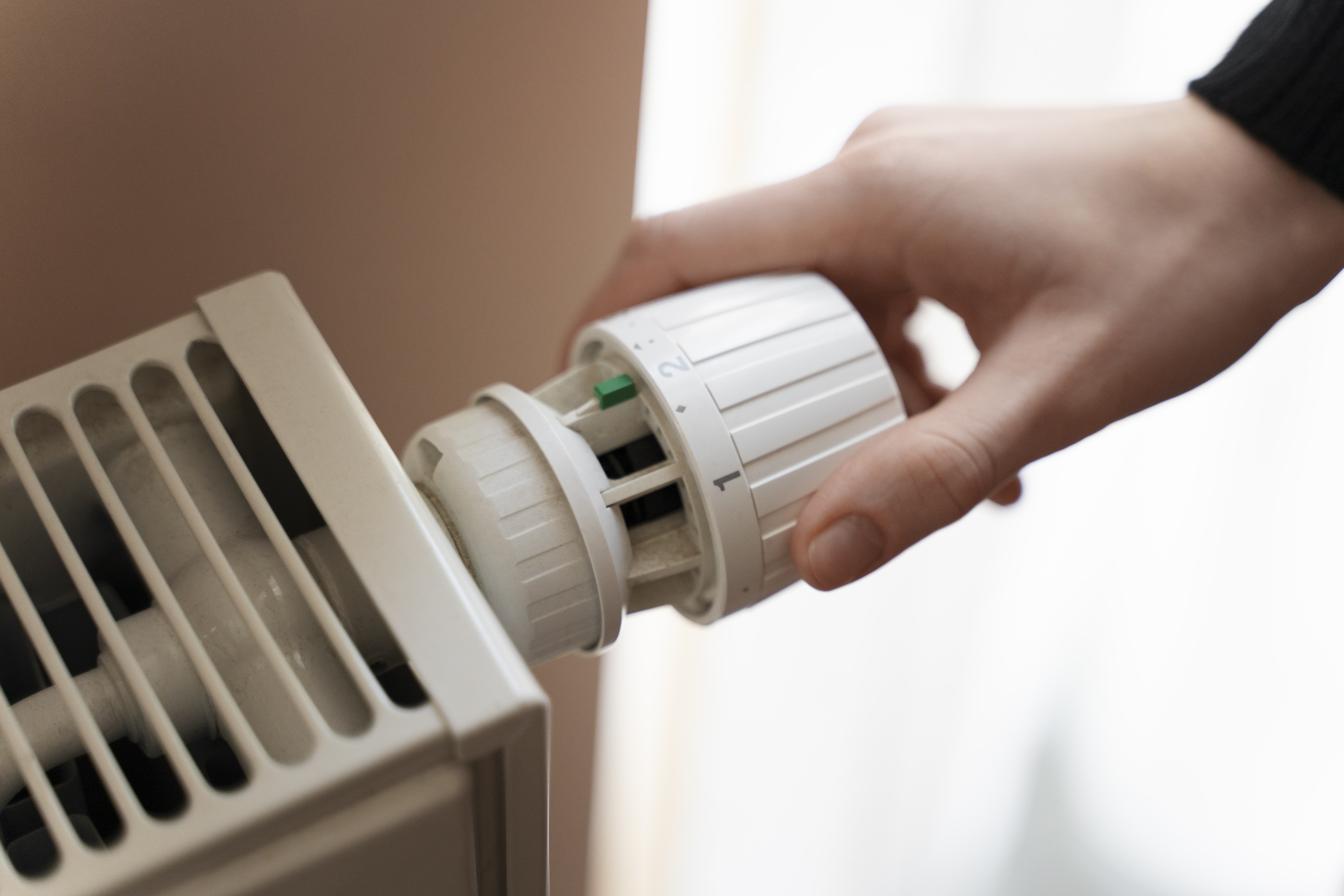
Thermostat Repair in Arcadia, CA
A properly functioning thermostat is the control center for your home comfort. In Arcadia, CA, where hot summers and mild winters put heavy demand on air conditioning and intermittent heating, a failing thermostat can mean uncomfortable indoor temperatures, higher energy bills, and unnecessary wear on HVAC equipment. This page explains how thermostat repair works in Arcadia homes, walks through common problems and diagnostic steps, and helps you decide whether repair or replacement is the right choice for your situation.
Common thermostat problems in Arcadia, CA
Homeowners in Arcadia most often call for thermostat service for these issues:
- No power / blank display — thermostat shows nothing or loses power intermittently.
- Inaccurate temperature readings — rooms are warmer or cooler than the thermostat setting.
- Short cycling — HVAC turns on and off frequently, increasing wear and energy use.
- Connectivity issues — Wi-Fi smart thermostats losing connection or failing to control systems remotely.
- Erratic behavior — settings change on their own, or heating/cooling modes don’t engage properly.Local factors like prolonged AC use during summer, dust and debris from the nearby foothills, and occasional wildfire smoke can exacerbate sensor contamination and wiring stress, increasing the likelihood of these problems.
Diagnostic steps for common thermostat problems
A systematic diagnostic approach identifies whether the issue is electrical, sensor-based, or software/configuration related.
- Initial inspection
- Confirm thermostat model and power type (battery, 24V common wire, or line-voltage).
- Visually inspect for physical damage, loose wiring, and signs of pests or corrosion.
- No power
- Check batteries (replace with fresh alkaline batteries if present).
- Verify circuit breaker and HVAC system power switches are on.
- Test for 24V control voltage at the thermostat terminals with a multimeter where applicable.
- Inspect and secure common (C) wire connections or evaluate need for a C wire adapter on smart thermostats.
- Inaccurate temperature
- Compare thermostat reading to an independent thermometer placed nearby.
- Check for placement issues: direct sunlight, drafts, or proximity to heat-producing appliances.
- Test internal sensor function and recalibrate or replace the sensor if out of spec.
- Short cycling
- Observe cycle frequency and run times; determine whether thermostat settings, faulty sensors, or HVAC equipment faults are causing cycling.
- Inspect wiring for shorts, especially on older systems or after recent maintenance.
- Evaluate thermostat’s compatibility with the HVAC system’s control sequence.
- Smart thermostat diagnostics
- Check firmware/software status and Wi-Fi connectivity.
- Ensure app settings align with installed wiring and system type.
A complete diagnostic typically includes a visual inspection, electrical measurements, and functional tests of heating and cooling calls to determine root cause.
Repair vs. replacement guidance
Deciding whether to repair your thermostat or install a new one depends on these factors:
- Age and model: Older mechanical or malfunctioning digital thermostats lacking modern features are often better replaced.
- Frequency of failure: Repeated repairs or intermittent faults generally favor replacement.
- Energy goals: If you want improved scheduling, zoning, or remote control, a modern programmable or smart thermostat adds measurable value.
- Compatibility: If your HVAC system requires specialized controls or proprietary wiring, replacement must match system requirements.
- Cost-effectiveness: When repair parts are scarce or more expensive than a modern replacement, replacement is typically more economical.
Repair is appropriate when the issue is confined—bad wiring, a failed sensor, or a replaceable display—especially if the thermostat is otherwise relatively new and compatible with your system.
Parts, labor, and pricing structure
Thermostat service pricing usually reflects three components:
- Diagnostic fee: Covers on-site troubleshooting, electrical testing, and a written assessment of findings.
- Parts: Common parts include batteries, sensors, wiring connectors, transformer modules, or a replacement thermostat unit. Parts may carry manufacturer warranties.
- Labor: Labor charges account for time to diagnose, remove and reinstall devices, configure settings, and test the system. Labor can be structured as a flat-rate repair fee or hourly for complex jobs.
Expect transparent itemization: diagnostic charge, parts cost, and labor. Major installations that require adapter kits, new wiring (running a C wire), or control board changes on the HVAC unit will increase complexity and time.
Typical response and service windows in Arcadia
Service responsiveness helps limit discomfort during peak summer demand. Typical scheduling patterns in Arcadia include:
- Same-day or next-day appointments for urgent thermostat failures that leave homes without cooling or heating.
- Standard service windows within 24–72 hours for non-emergency diagnostics and repairs.
- Evening or weekend slots available seasonally to accommodate workday schedules.
Technicians generally provide an estimated arrival window and complete most thermostat repairs or replacements within a single visit unless additional HVAC work or parts are required.
Troubleshooting tips homeowners can try safely
Before a service visit, these homeowner checks often resolve common issues:
- Replace thermostat batteries with fresh alkalines if the display is dim or unresponsive.
- Check your main breaker and the HVAC system’s power switch to ensure the system has power.
- Confirm thermostat mode and setpoint (heat vs. cool) and raise or lower the set temperature by a few degrees.
- Remove the thermostat cover and gently clean dust from around the sensor with a soft brush; do not damage wiring.
- If a smart thermostat is offline, reboot it according to the manufacturer’s instructions and check your Wi-Fi router.
- Avoid adjusting wiring unless you are comfortable and knowledgeable about low-voltage systems.
If problems persist after these steps, a professional diagnostic is recommended to prevent damage to the HVAC system.
Service guarantees and what to expect after repair
Quality thermostat repairs include clear assurances so you can trust the outcome:
- Workmanship warranty on labor for a defined period following service.
- Manufacturer or parts warranty for replacement components.
- Post-repair verification that the system operates through a full cycle and that temperature control meets expected performance.
- Documentation of work performed, parts used, and any recommendations for future maintenance or upgrades.
For Arcadia homeowners, prompt repair or appropriate replacement of thermostat controls not only restores comfort but also helps protect HVAC equipment from undue stress during high-use periods. Properly matched and calibrated thermostats improve temperature consistency, reduce short cycling, and can lower energy usage in a climate where cooling demands are significant.
If your home in Arcadia is experiencing thermostat issues—power loss, erratic readings, or frequent cycling—understanding these diagnostics and options will help you make an informed decision about repair or replacement.
Customer
Testimonials
Our customers consistently praise the exceptional service and professionalism of our team. They appreciate the honest advice, meticulous work, and the care taken to ensure their satisfaction.

.webp)
Service Areas
