

Thermostat Installation in Temecula, CA

Professional thermostat installation in Temecula, CA ensures reliable compatibility checks, safe wiring, and proper mounting for programmable and smart models. The service covers system compatibility verification, clear wiring documentation, and thorough testing with user training so homeowners understand operation. It explains thermostat types—programmable, smart, line-voltage, and heat pump-compatible options—and outlines expected timelines, warranties, and post-installation support. With climate-aware programming and maintenance guidance, the service delivers improved comfort and energy savings year-round in Temecula homes. Clients appreciate ongoing support.
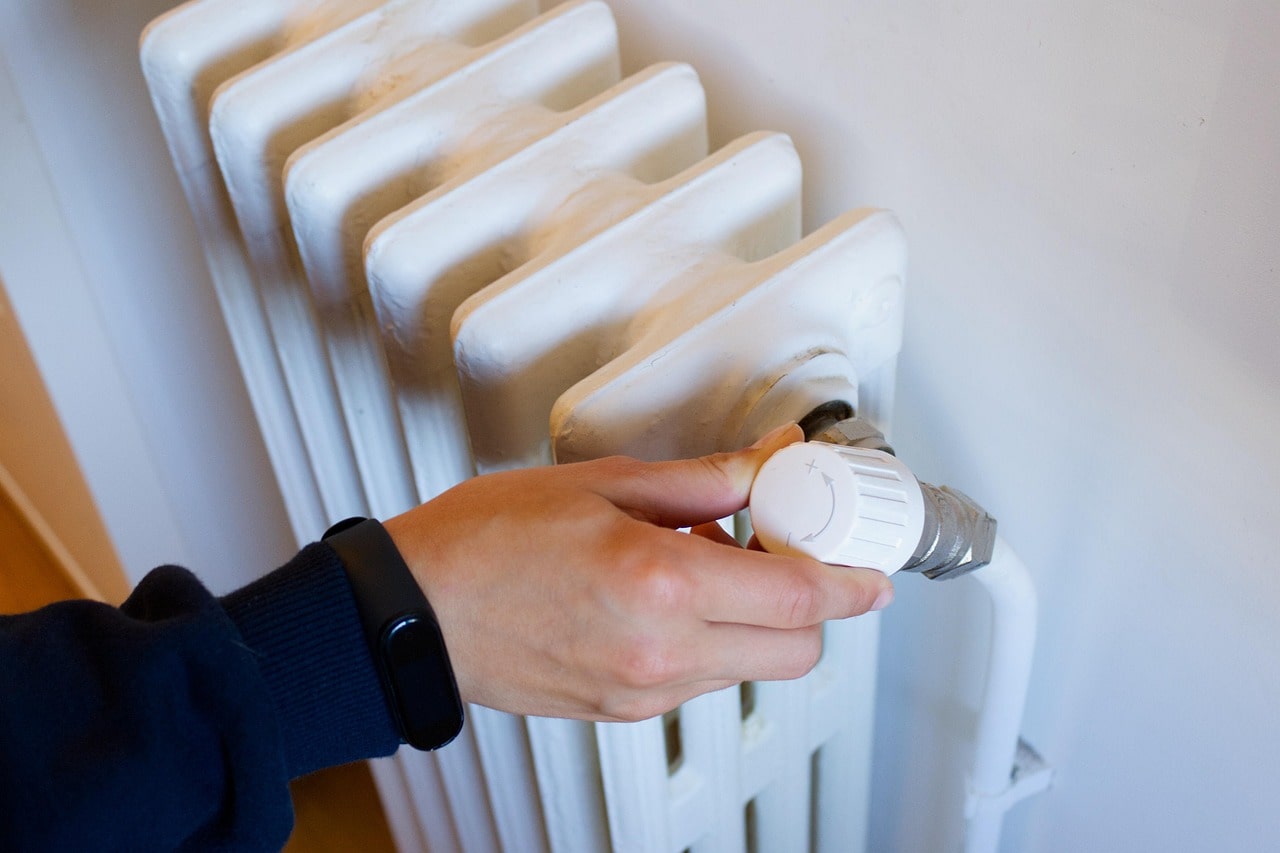
Thermostat Installation in Temecula, CA
Upgrading or replacing a thermostat in your Temecula home can immediately improve comfort, reduce energy bills, and give you better control over cooling during our hot, dry summers and mild winters. Thermostat installation in Temecula, CA focuses on reliable compatibility checks, safe wiring and mounting, clear choices between programmable and smart models, energy-saving programming, and thorough testing and training so you understand exactly how to use the new system.
Why professional thermostat installation matters in Temecula
Temecula’s climate drives heavy summer cooling loads and occasional heating needs. A properly installed thermostat ensures your HVAC system cycles correctly, prevents short-cycling that stresses equipment, and enables energy-saving schedules tailored to local weather patterns. Professional installation also reduces the risk of wiring mistakes, improper configuration, or voided equipment warranties.
Common thermostat types and which suit Temecula homes
- Programmable thermostats: Offer scheduled temperature control (weekday/weekend or 7-day). Good for households with predictable routines who want a low-cost way to save energy.
- Smart thermostats: Connect to Wi-Fi, learn usage patterns, allow remote control, integrate with home automation and voice assistants, and use location or weather data to optimize comfort. Ideal for Temecula homeowners who want remote management while away or want advanced energy reports.
- Line-voltage thermostats: Used with baseboard electric systems; require different installation procedures and specific models.
- Heat pump-compatible thermostats: Necessary for homes with heat pumps to manage defrost cycles and proper reversing valve control.
System compatibility checks (what we inspect)
Before any installation, a professional check confirms the thermostat will work with your HVAC system:
- Identify system type: central AC with furnace, air handler with heat pump, packaged unit, or electric baseboard.
- Verify control voltage: most modern thermostats use 24VAC systems; confirm if your home has a 24V control transformer or a line-voltage circuit.
- Check existing wiring: confirm presence of a C-wire (common) for continuous power to smart thermostats; if none, evaluate C-wire alternatives such as power adapters or using the furnace’s control board.
- Confirm compatibility with multi-stage systems or zoning controls.
- Inspect the location: avoid direct sunlight, exterior doors, or nearby heat sources that skew readings.
Wiring and mounting procedures (what to expect)
- Safety first: turn off system power at the breaker or control panel.
- Label and document existing wires with clear tags and a wiring diagram.
- Mount the thermostat on a solid wall about 4–5 feet above the floor in a central location for accurate sensing.
- Connect terminals according to manufacturer diagrams; secure connections and tuck wires neatly into the wall.
- If a C-wire is missing, options include installing a new wire, using a C-wire adapter kit, or configuring a power-stealing solution where compatible.
- Restore power and verify the HVAC responds correctly to thermostat commands.
Programmable vs smart thermostats — practical differences for Temecula homeowners
- Programmable: Lower cost, reliable scheduling, works offline. Best when you have set schedules and limited need for remote access.
- Smart: Remote control via apps, learning algorithms, weather-adaptive features, energy reports, and integration with home automation. Smart thermostats can adapt to Temecula heat waves by pre-cooling based on predicted temperatures or using geofencing to save energy when no one is home.
Energy-saving programming and scheduling tips
- Use modest setbacks: set your thermostat 4–6 degrees higher in summer when away to save energy without sacrificing comfort on return.
- Pre-cool in the early morning before the hottest part of the day rather than fighting peak heat.
- Use fan settings strategically: auto for efficiency; circulate for brief comfort without running the compressor constantly.
- Coordinate HVAC filter replacement and regular maintenance; a clean system runs more efficiently.
- For smart thermostats, enable features like adaptive recovery, eco modes, and scheduling tied to your daily routine.
Estimated timelines and factors that affect install time
- Standard replacement (straight swap, existing wiring present): typically 45–90 minutes.
- Installation requiring a C-wire run or adapter: 1.5–3 hours depending on access to the furnace/control board.
- Multi-zone systems, heat pump setups, or older homes with nonstandard wiring: up to half a day.Factors that extend time include pulling new thermostat wire through walls, resolving incompatible control boards, or integrating multiple smart devices.
Warranty and reliability information
- Manufacturer warranties vary by model and often cover defects for 1–5 years. Review the specific thermostat’s warranty documentation for details.
- Professional installation typically comes with a workmanship guarantee; most installers offer at least a limited warranty on labor and configuration for a standard period.
- Proper installation and documentation of wiring connections help preserve HVAC equipment warranties and ensure reliable operation.
Post-installation testing and customer training
- System verification: test heating and cooling cycles, fan control, staging, and any emergency heat on heat pump systems.
- Connectivity checks for smart thermostats: confirm Wi-Fi connection, app control, and remote access functionality.
- Demonstration and training: show how to change schedules, set temperature hold, enable energy-saving settings, and interpret usage reports.
- Troubleshooting guidance: common issues like Wi-Fi dropouts, temporary incorrect readings from placement in a bright or drafty spot, and simple resets.
- Provide a short checklist for seasonal adjustments and firmware updates to keep smart features current.
Long-term benefits and maintenance advice for Temecula homes
A correctly installed thermostat provides immediate comfort gains and long-term reductions in energy use. To maintain performance:
- Replace HVAC filters every 1–3 months depending on use and indoor air quality.
- Keep the thermostat free from obstructions, blinds, or nearby heat sources that affect sensing.
- Update thermostat firmware and review energy reports seasonally to refine schedules.
- Schedule annual HVAC tune-ups to optimize system efficiency and extend equipment life.
This approach to thermostat installation in Temecula, CA ensures compatibility, safe wiring, clear user training, and programming that takes local climate patterns into account so your system performs efficiently throughout the year.
Customer
Testimonials
Our customers consistently praise the exceptional service and professionalism of our team. They appreciate the honest advice, meticulous work, and the care taken to ensure their satisfaction.

.webp)
Service Areas
