

Thermostat Installation in Chino Hills, CA

Professional thermostat installation in Chino Hills, CA, ensures precise system compatibility, optimal energy savings, and reliable performance through a thorough pre-install assessment, correct wiring, and careful calibration. The service covers basic, programmable, smart, and specialty thermostats, with guidance on selecting the right model, proper mounting, and post-install testing. Homeowner training, warranty information, and ongoing maintenance are emphasized to prevent short cycling, maximize comfort, and extend HVAC component life while maintaining easy operation for residents. Trust our technicians for a seamless, compliant installation.
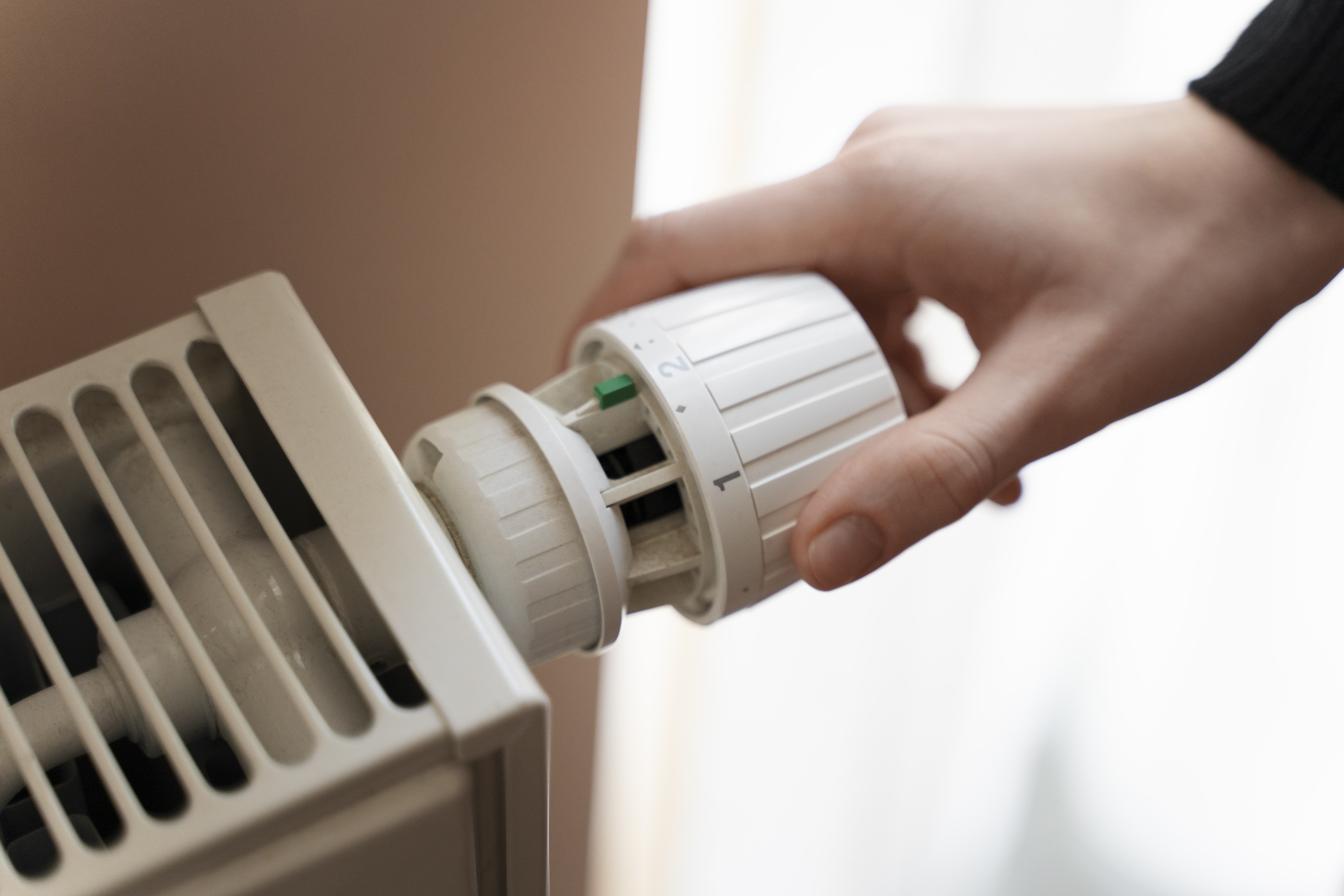
Thermostat Installation in Chino Hills, CA
An accurately installed thermostat is the single most effective control point for comfort and energy savings in Chino Hills homes. With hot, dry summers and mild winters, many local households rely heavily on air conditioning; an incompatible or poorly installed thermostat can raise bills, shorten HVAC life, and create uneven temperature zones. This page explains what to expect from professional thermostat installation in Chino Hills, CA: pre-install assessment, option choices (programmable, basic, smart), the step-by-step installation and testing process, user training, warranty considerations, and tips for selecting the right thermostat for your system.
Common thermostat types and which Chino Hills homes benefit most
- Basic (manual) thermostats
- Simple controls, low cost, best for second units, garages, or owners who prefer turning HVAC on/off manually.
- Limited energy-saving features.
- Programmable thermostats
- Allow scheduled temperature changes throughout the day; good for typical 9-to-5 households and families who want predictable savings.
- Often compatible with conventional heat/cool systems.
- Smart thermostats
- Wi-Fi connected, learning or schedule-based, remote control, geofencing, and energy reports. Ideal for Chino Hills homeowners who want to optimize AC run times during hot months and take advantage of off-peak cooling.
- Some smart models require a common wire (C-wire) or a power adapter for stable operation.
- Specialty thermostats (heat pump, multi-stage, zone control)
- Required for multi-stage furnaces, heat pumps, or multi-zone HVAC systems found in larger Chino Hills properties. Choosing the correct model for multi-stage or heat pump systems is critical to avoid short cycling or improper staging.
Pre-install assessment: compatibility and wiring checks
Before installation, a technician will perform a focused inspection to confirm compatibility and identify any wiring needs:
- Verify HVAC system type (single stage, two-stage, heat pump, zoned system, or mini-split).
- Check thermostat wiring at the control board and indoor unit. Confirm presence of a C-wire or evaluate need for a C-wire adapter.
- Inspect transformer voltage (24V common for most residential systems) or line-voltage setups for compatibility.
- Note existing zone controls, humidifiers, dehumidifiers, or auxiliary heat that require extra terminals.
- Assess mounting location for accurate sensing (avoid direct sunlight, near windows, or adjacent to heat-producing appliances).
This assessment prevents common installation issues in Chino Hills such as thermostats that lose Wi-Fi, short-cycle AC on hot days, or fail to call for appropriate auxiliary heat in cooler months.
Step-by-step installation process
- Power off HVAC system at the breaker to protect electronics and ensure safety.
- Remove the old thermostat, documenting and labeling each wire for accurate reconnection. Photograph terminals if needed.
- Mount the new thermostat base, using the supplied level and anchors as required. Choose a location representative of typical home temperature.
- Connect wires to the corresponding terminals—R, RC, RH, C, Y, W, G, O/B, etc.—matching the system type determined during assessment.
- If a C-wire is missing and required, either install a dedicated C-wire from the control board or use a compatible power accessory.
- Attach the thermostat faceplate, restore power, and follow the on-device setup prompts. For smart models, connect to the home Wi-Fi network.
- Configure system type, stage settings, heat pump reversing valve orientation, and any accessories like humidification controls.
Post-install testing and calibration
Thorough testing ensures the thermostat and HVAC operate together correctly:
- Run full heat and cool cycles and observe system response. Confirm compressor, fan, and auxiliary heat behave correctly and that there’s no short cycling.
- Verify correct staging for multi-stage systems and proper reversing valve operation for heat pumps.
- Check sensor accuracy by comparing thermostat readings to an independent thermometer at the same height and location. Calibrate if necessary.
- For smart thermostats, validate remote control ability, scheduling sync, and energy reporting functions.
- Review any error codes logged by the thermostat and resolve wiring or configuration issues.
User programming and homeowner training
A key value of professional installation is practical homeowner training:
- Learn how to set daily and weekly schedules optimized for Chino Hills climate—cooler setbacks at night, earlier AC start on hot afternoons, and vacation/away settings.
- Understand features like adaptive recovery, hold modes, fan-only operation, and filter reminders.
- For smart thermostats, review mobile app navigation, geofencing basics, and how to read energy usage reports.
- Get tips for seasonal adjustments and how to temporarily override schedules without losing programmed settings.
Warranty and service guarantees
Thermostat components typically carry a manufacturer warranty for defects; installer workmanship is covered separately by professional service guarantees. Typical warranty topics to understand:
- What the thermostat manufacturer warranty covers and for how long.
- Installer warranty on wiring, configuration, and any modifications to the HVAC control board.
- Options for extended support or service calls for configuration changes after installation.
Ask about what documentation is provided with installation so warranty terms and installer guarantees are clear and accessible.
Tips for choosing the right thermostat for Chino Hills homes
- Confirm compatibility with your HVAC type before shopping—heat pumps and multi-stage furnaces need the correct terminal support.
- Prioritize a thermostat with a reliable power source: smart thermostats prefer a dedicated C-wire for stable Wi-Fi and display power.
- Choose smart features based on lifestyle: remote access and learning algorithms can reduce cooling during high-energy summer periods common in Chino Hills.
- Consider humidity control and indoor air quality features if your home needs better breathing comfort during Santa Ana wind events or seasonal changes.
- Factor in zoning needs for larger or multi-level homes to prevent uneven cooling and reduce energy consumption.
Ongoing maintenance and best practices
- Replace batteries annually if your thermostat uses them; perform firmware updates on smart devices to maintain security and performance.
- Revisit programmed schedules seasonally to reflect occupancy and daylight variations.
- Keep the thermostat area clear of obstructions and direct sunlight.
- Schedule a professional HVAC tune-up every 1 to 2 years to ensure the system responds properly to the thermostat and runs efficiently.
Professional thermostat installation in Chino Hills, CA ensures accurate control, efficient cooling during hot months, and reliable operation year-round. A correct pre-install assessment, precise wiring, and careful calibration reduce energy use and extend HVAC component life while making your home more comfortable and easier to manage.
Customer
Testimonials
Our customers consistently praise the exceptional service and professionalism of our team. They appreciate the honest advice, meticulous work, and the care taken to ensure their satisfaction.

.webp)
Service Areas
