

Smart Thermostat Repair in San Gabriel, CA

Smart Thermostat Repair in San Gabriel, CA ensures accurate diagnostics and dependable performance for homes facing warm, humid Southern California conditions. The service addresses common issues such as connectivity failures, firmware errors, sensor calibration problems, wiring or power faults, and pairing difficulties. Technicians perform a thorough evaluation that includes on-site inspections, network and voltage testing, and HVAC response checks. Repairs may involve network configuration, firmware updates, sensor replacement, or power system upgrades. Each repair concludes with follow-up testing to confirm stable operation, improved efficiency, and lasting energy savings.
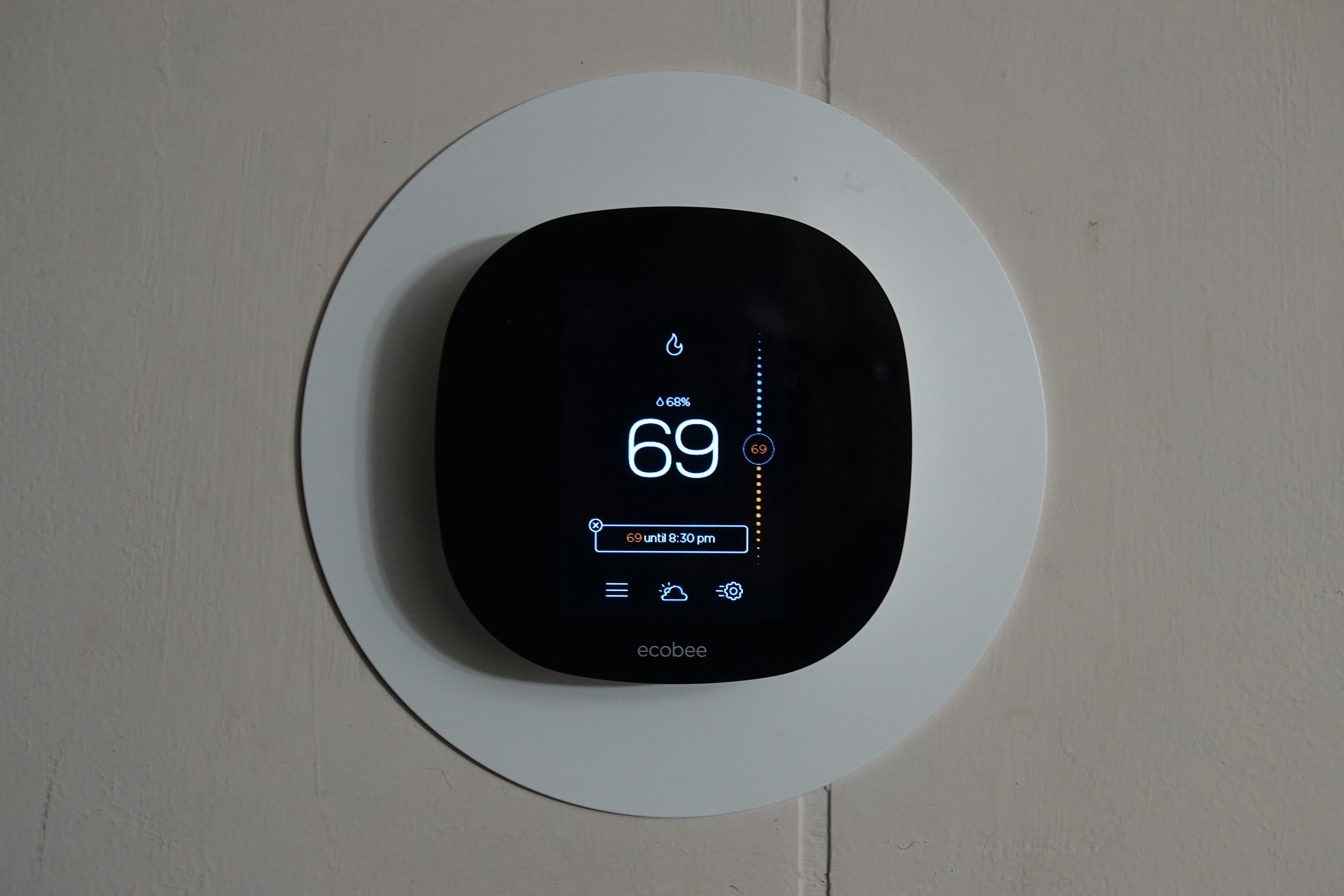
Smart Thermostat Repair in San Gabriel, CA
Smart thermostats bring convenience, energy savings, and remote control to your San Gabriel home, but when they stop responding, misread temperatures, or lose connectivity, comfort and efficiency fall apart fast. This page explains common smart thermostat problems in San Gabriel, CA, how technicians diagnose and repair them, what parts may need replacement, and what follow-up testing looks like so your system’s smart features work reliably in our warm, sometimes humid Southern California climate.
Common smart thermostat issues in San Gabriel, CA
Homes in San Gabriel often have older HVAC equipment or Wi-Fi environments that expose smart thermostats to several typical failures:
- Connectivity and Wi-Fi drops - thermostats lose cloud access or fail to connect to the app, often caused by weak signals, network changes, or router settings.
- Firmware and software faults - failed updates, corrupted firmware, or app incompatibilities that cause freezing, incorrect schedules, or lost features.
- Sensor and calibration problems - inaccurate indoor temperature or humidity readings from faulty or displaced sensors causing comfort issues and short cycling.
- Wiring and power-related faults - missing C-wire, intermittent 24 VAC supply, loose terminals, or transformer issues that lead to reboots or dead batteries.
- Pairing and compatibility failures - new thermostats not paired correctly with older furnaces, heat pumps, or zoning equipment.
- Hardware failures - internal relays, display defects, or failed sensors that require part replacement or a full thermostat swap.
How diagnostics are handled
Smart thermostat troubleshooting follows a logical process designed to isolate the cause quickly while protecting your HVAC equipment:
- Remote app review - confirm the device is online and check error logs and firmware versions from the app if accessible.
- Network assessment - test Wi-Fi signal strength at the thermostat, verify router settings (2.4 GHz vs 5 GHz), and check for IP conflicts or firewall blocks.
- On-site visual inspection - examine thermostat placement, look for direct sun or drafts that skew readings, and inspect the physical unit for damage.
- Wiring and voltage checks - verify C-wire presence and test 24 VAC at terminals, check wire continuity and secure connections at the control board.
- Sensor and calibration tests - compare thermostat readings with a reference thermometer and test built-in sensors and offsets.
- HVAC response test - command heating and cooling cycles to confirm the thermostat properly controls the furnace, air handler, compressor, and zone valves.
Typical repairs and solutions
Once the problem is identified, repairs focus on restoring reliable smart functionality with the least invasive method possible:
- Network fixes - reconfigure Wi-Fi settings, move or advise on router placement, change SSID or password settings, or set the thermostat to the correct frequency band.
- Firmware operations - complete failed updates, roll back to stable firmware if needed, or apply the latest patch that resolves known bugs.
- Sensor repairs or replacement - replace a failed internal or remote sensor, recalibrate offsets, or reposition the thermostat away from heat sources.
- Power upgrades - install or convert an existing thermostat to use a dedicated C-wire, or add a power extender module when a C-wire is not available.
- Wiring repairs - tighten terminals, replace damaged wiring, label wires for future service, and repair transformer or relay faults at the control board when necessary.
- Component replacement - replace the thermostat base, display, or internal relay if hardware failure is confirmed; replace the whole thermostat when repair is not cost effective.
Re-pairing with HVAC equipment and apps
Re-pairing a smart thermostat requires care to preserve HVAC settings and ensure stable app control:
- Put the thermostat into manufacturer pairing or setup mode and follow the device on-screen prompts.
- On multi-stage or heat pump systems, select the correct system type and confirm wiring map matches the equipment.
- Reconnect the thermostat to the home Wi-Fi network, authorize cloud access through the app, and sign in to linked voice assistants if used.
- Verify schedule settings, geofencing, and any energy-saving modes. Re-establish any third-party integrations such as home automation hubs.
Parts replacement you may encounter
- Replacement sensors - internal or external temperature/humidity probes.
- Power modules - C-wire power adapters or power extender kits.
- Relays or boards - when the thermostat electronics or relays fail.
- Complete thermostat units - when aging or severely damaged units need replacement to restore smart features.
Follow-up testing to ensure reliable smart features
After repair or replacement, comprehensive testing ensures your smart thermostat performs under daily conditions:
- Test manual and scheduled temperature changes across heating and cooling modes.
- Run extended cycles to confirm the HVAC responds without short cycling or delays.
- Confirm remote control, app commands, and voice assistant responses from off-site.
- Verify firmware stability and that scheduled updates complete successfully.
- Monitor temperature and humidity readings over 24 to 72 hours to confirm accuracy and that geofencing or occupancy features behave as expected.
- Document wiring and settings and provide guidance on what to watch for if the issue recurs.
Why timely repair matters in San Gabriel, CA
San Gabriel’s warm summers and occasional humidity spikes mean your air conditioning works hard. A malfunctioning smart thermostat can lead to higher energy bills, uneven comfort, and added wear on your HVAC system. Addressing thermostat faults promptly preserves energy savings features, prevents unnecessary compressor run time, and keeps your home comfortable during peak heat.
Maintenance tips to reduce future issues
- Keep the thermostat away from direct sunlight, vents, or kitchen heat sources to prevent false readings.
- Ensure your home Wi-Fi router is within good range and on a consistent SSID; consider a mesh system in larger homes.
- Keep firmware and app versions up to date, but allow a short delay for stability if a new major update is released.
- Label thermostat wires at installation to make future service faster and avoid wiring mistakes.
- Schedule seasonal HVAC checks so the thermostat and system are evaluated together.
A properly diagnosed and repaired smart thermostat restores comfort, control, and savings. Understanding the diagnostic steps, common fixes, and follow-up testing helps you evaluate repair recommendations and ensures your smart features perform reliably in San Gabriel homes.
Customer
Testimonials
Our customers consistently praise the exceptional service and professionalism of our team. They appreciate the honest advice, meticulous work, and the care taken to ensure their satisfaction.

.webp)
Service Areas
