

HVAC Replacement in Ventura, CA

Replacing an aging or failing HVAC system is a major decision for Ventura homeowners. With the city's coastal climate, periodic inland heat spikes, and salty ocean air that accelerates component wear, choosing the right replacement system and having it installed correctly matters for comfort, energy bills, and long-term reliability. Precise Air Systems (FERGUSON) explains the full-service HVAC replacement process in Ventura, CA, what to expect, common local issues, and how professional replacement preserves performance and compliance with local codes.
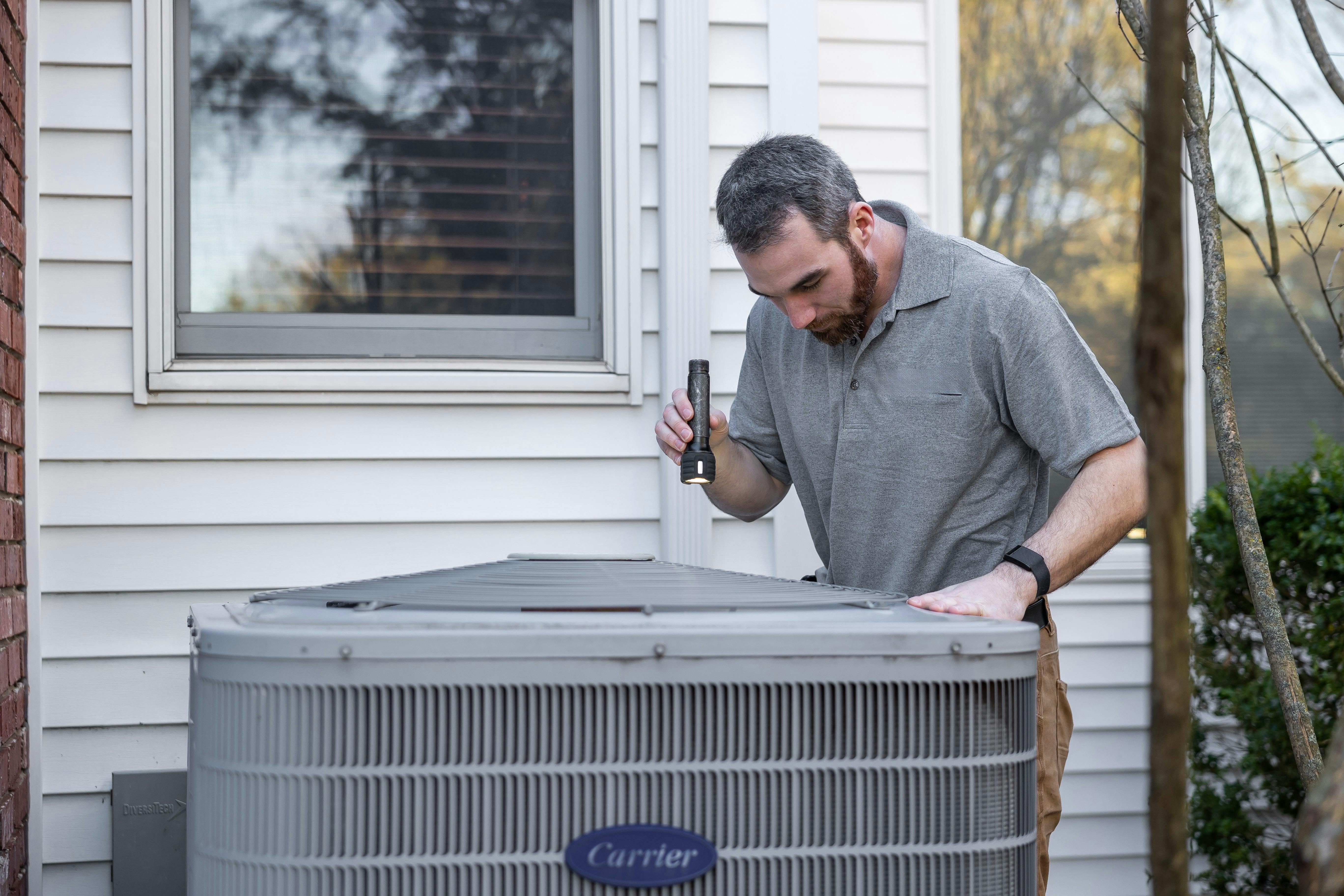
HVAC Replacement in Ventura, CA
Replacing an aging or failing HVAC system is a major decision for Ventura homeowners. With the citys coastal climate, periodic inland heat spikes, and salty ocean air that accelerates component wear, choosing the right replacement system and having it installed correctly matters for comfort, energy bills, and long-term reliability. This page explains the full-service HVAC replacement process in Ventura, CA, what to expect, common local issues, and how professional replacement preserves performance and compliance with local codes.
Why replace your HVAC system now
- Uneven heating or cooling, rising energy bills, frequent breakdowns, and noisy operation are signs a system is near end of life.
- Older systems are less efficient and often use outdated refrigerants that are being phased out.
- Replacing a failing system can eliminate repeated repair costs, improve indoor comfort, and qualify you for energy rebates and lower utility bills.
- In Ventura, salty coastal air and summer heat pushes equipment harder, shortening lifespan—timely replacement can prevent mid-summer failures.
Common HVAC replacement scenarios in Ventura
- Complete furnace and central AC replacement for homes with aging split systems.
- Conversion to high-efficiency heat pump systems that provide both heating and cooling and are well suited to Venturas mild winters.
- Ductless mini-split replacement or addition for rooms without ductwork or for zone control in older homes.
- Ductwork overhaul when existing ducts are leaky, undersized, or compromised by age or pests.
- Package unit replacement for homes or small commercial properties using rooftop systems.
On-site evaluation and proper sizing
A correct replacement starts with an on-site evaluation and load calculation to size the system to your home, not just a rule-of-thumb estimate. That process includes:
- Measuring home square footage, insulation levels, window types, orientation, and occupancy.
- Evaluating ductwork condition, layout, and static pressure.
- Considering local factors like sea breeze patterns, afternoon inland heat, and attic exposure.Proper sizing prevents short cycling, poor humidity control, and higher energy costs. Professionals use industry-standard calculations to match capacity to actual needs.
Choosing the right equipment for Ventura homes
Options typically considered for replacement:
- Central air conditioners with modern, higher SEER ratings for efficient cooling.
- Gas or electric furnaces for homes that need robust heating; note Ventura winters are mild so heating demand is lower.
- Heat pumps (air-source or cold-climate models) that deliver efficient heating and cooling—often the best option in coastal California.
- Ductless mini-split or multi-split systems for room-level control or homes lacking ducts.
- High-efficiency, variable-speed equipment to improve comfort and reduce energy use.Key selection factors: efficiency ratings, system capacity, refrigerant type, corrosion-resistant components for coastal exposure, and compatibility with existing ductwork or thermostats.
Ductwork inspection and recommended upgrades
Duct condition strongly affects comfort and efficiency. A thorough inspection will identify:
- Leaks or disconnected runs that waste conditioned air.
- Undersized ducts causing restricted airflow.
- Poorly insulated ducts in unconditioned attic space causing thermal losses.Common fixes: sealing and insulating ducts, replacing damaged sections, resizing or adding returns, and installing zoning dampers for better control.
Safe removal, disposal, permitting and code compliance
Replacement includes safe decommissioning:
- Refrigerant recovery and handling compliant with EPA regulations.
- Disposal or recycling of old equipment according to local rules and environmental standards.
- Pulling required Ventura and California permits and ensuring compliance with state energy standards and local building codes, including Title 24 performance considerations where applicable.
Typical installation process and expected timeline
- Day 1: Final measurements, prep work, and delivery of equipment.
- Installation: Removal of old equipment, duct modifications, setting new indoor and outdoor units, and refrigerant linework.
- Electrical and gas connections, mounting, and insulation work.
- Commissioning: System startup, refrigerant charging, airflow and safety checks, thermostat programming.A straightforward replacement in a typical single-family home often takes 1 to 3 days depending on system complexity and ductwork needs. More extensive duct upgrades or structural access may extend the schedule.
Warranty coverage and financing options
- Manufacturer warranties cover components for a specified term; compressor and heat exchangers often have longer coverage.
- Contractor workmanship warranties cover installation labor and common issues arising from installation.
- Extended protection plans and maintenance agreements are available to preserve performance and protect repair costs.
- Financing options commonly include low-interest loans, deferred payment plans, or energy-efficiency loan programs; many homeowners use financing to spread investment over time. Local utility rebates or state incentives may also apply for high-efficiency equipment.
Post-installation testing and commissioning
Proper commissioning ensures the system operates as intended:
- Measuring airflow, checking refrigerant charge, and verifying static pressure.
- Calibrating thermostats and controls, testing safety switches and electrical connections.
- Recording system performance data and reviewing operation with the homeowner.A documented commissioning process prevents early issues and verifies efficiency targets are met.
Maintenance plans to preserve performance
Ongoing maintenance extends system life and maintains efficiency:
- Seasonal tune-ups for cooling and heating to inspect components, clean coils, and verify refrigerant.
- Scheduled filter replacement, condensate drain checks, and electrical inspections.
- Priority service and discounted repair rates through preventive maintenance agreements.In Ventura, scheduling a spring AC tune-up before summer and an annual heat pump/furnace check ensures reliable operation during peak demand.
Typical cost factors for HVAC replacement
Costs vary based on:
- System type and capacity required (central AC, heat pump, ductless, furnace).
- Equipment efficiency level and brand.
- Condition and complexity of existing ductwork.
- Need for electrical upgrades, gas line changes, or structural modifications.
- Local permitting costs and required code-driven upgrades.
- Access difficulty for installation and any corrosion mitigation for coastal exposure.
Benefits of professional full-service replacement
- Right-sized, efficient equipment matched to Ventura home characteristics.
- Peace of mind from code-compliant permitting, safe refrigerant handling, and proper disposal.
- Improved comfort, lower operating costs, and predictable performance backed by warranties and maintenance plans.
- Reduced risk of premature failures from incorrect installation or undersized systems.
Frequently Asked Questions
Q: How do I know whether to choose a heat pump or a central air plus furnace?
A: In Ventura, heat pumps are often the best choice because they provide both efficient cooling and heating for a mild coastal climate. If your home requires very high winter output or already has a functioning furnace you prefer to keep, a split system with central AC and furnace may be appropriate. A load calculation will identify the optimal solution.
Q: Will my old ducts work with a new high-efficiency system?
A: Many ducts can be reused, but leaky, undersized, or poorly insulated ducts reduce the benefits of a new system. Duct sealing, insulation, or partial replacement is commonly recommended to achieve expected efficiency and comfort gains.
Q: How long will the installation take and when can I expect the system to be fully operational?
A: Typical full replacements take 1 to 3 days for most single-family homes. More complex conversions or extensive ductwork upgrades can take longer. Final commissioning and homeowner walkthrough happen on completion day to ensure everything functions correctly.
Q: Are there local rebates or incentives in Ventura for high-efficiency systems?
A: Energy rebates and state incentive programs frequently apply to high-efficiency equipment and heat pumps. Eligibility varies by program, so equipment choices and efficiency levels should be considered during planning to maximize available incentives.
Q: What should I expect from warranty and maintenance after replacement?
A: Manufacturer warranties cover component defects for a set term, while contractor warranties cover installation workmanship. Regular maintenance under a service plan preserves warranty compliance, improves efficiency, and reduces the risk of costly repairs.
Customer
Testimonials
Our customers consistently praise the exceptional service and professionalism of our team. They appreciate the honest advice, meticulous work, and the care taken to ensure their satisfaction.

.webp)
Service Areas
