

HVAC Replacement in Simi Valley, CA

Replacing your HVAC system is a major investment in comfort, indoor air quality, and energy bills. In Simi Valley homes, where hot, dry summers and occasional poor air quality from wildfire smoke make efficient cooling and filtration vital, a professional HVAC replacement from Precise Air Systems (FERGUSON) ensures your new system is sized correctly, installed to code, and optimized for local climate demands. We explain the full replacement process, common issues that drive replacement, system selection guidance, permitting and code considerations specific to the area, timelines and typical costs, warranty and financing options, and post-installation testing and maintenance recommendations.
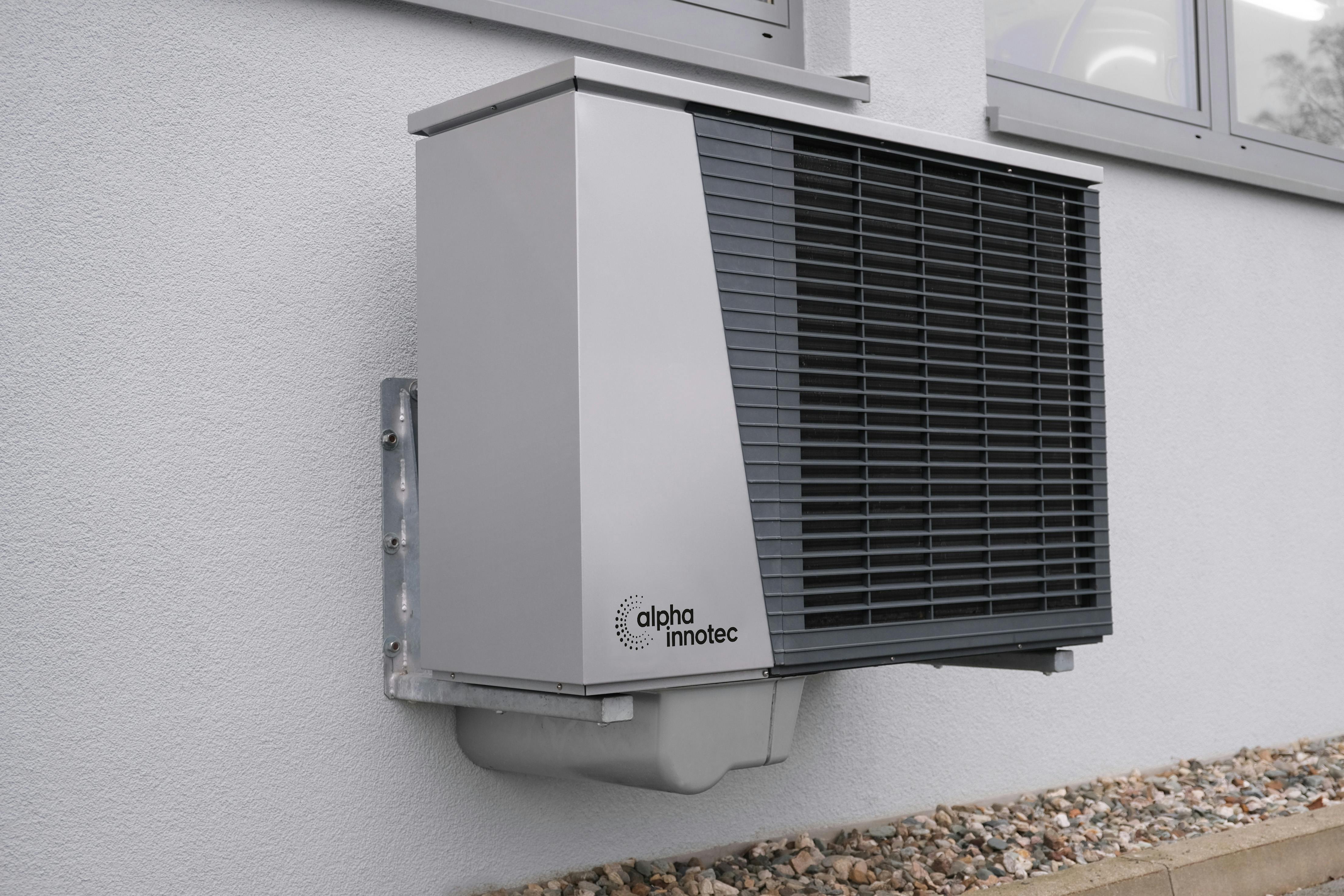
HVAC Replacement in Simi Valley, CA
Replacing your HVAC system is a major investment in comfort, indoor air quality, and energy bills. In Simi Valley homes, where hot, dry summers and occasional poor air quality from wildfire smoke make efficient cooling and filtration vital, a professional HVAC replacement ensures your new system is sized correctly, installed to code, and optimized for local climate demands. This page explains the full replacement process, common issues that drive replacement, system selection guidance, permitting and code considerations specific to the area, timelines and typical costs, warranty and financing options, and post-installation testing and maintenance recommendations.
Why replace your HVAC in Simi Valley
- Older systems lose efficiency and cost more to operate during long cooling seasons.
- Aging equipment struggles with indoor air quality when wildfire smoke or pollen is present.
- Duct leaks and undersized equipment can create uneven temperatures and higher energy use.
- Modern systems deliver higher SEER and heat pump performance that better match Simi Valley’s mild winters and hot summers, improving year-round comfort.
Common HVAC replacement triggers
- System age: central systems older than 12 to 15 years commonly need replacement.
- Major component failure: compressor, heat exchanger, or motor failure.
- Repeated repairs that approach the cost of a new system.
- Poor efficiency or rising utility bills despite regular servicing.
- Renovations, home additions, or changes in occupancy that require capacity changes.
- Ductwork problems or the need for improved filtration because of wildfire smoke intrusion.
On-site assessment and load calculations
A proper replacement starts with an on-site assessment, not just a rule-of-thumb sizing. Key steps include:
- Home evaluation: orientation, insulation, window sizes, attic conditions, and shading.
- Manual J load calculation: determines precise heating and cooling capacity needs.
- Duct inspection and Manual D considerations: identifies leaks, sizing issues, and required modifications.
- Electrical and gas checks: verifies service capacity for the chosen equipment.
- Indoor air quality goals: assesses filtration needs and options for ventilations or air cleaning.
Accurate load calculations avoid oversized systems that short-cycle and undersized systems that run continuously.
Choosing energy-efficient systems and compatible equipment
Most Simi Valley homeowners choose systems that balance cooling efficiency with reliable heating performance:
- Air-source heat pumps: excellent for mild winters, provide efficient cooling and heating, and perform well when paired with variable-speed compressors.
- High-SEER central air conditioners: focus on cooling efficiency for hotter months.
- Ductless mini-splits: ideal for additions, converted spaces, or homes without existing ductwork.
- High-efficiency gas furnaces: considered when gas heating remains preferred.
Key efficiency metrics to consider:
- SEER (Seasonal Energy Efficiency Ratio) for cooling.
- HSPF for heat pump heating efficiency.
- AFUE for gas furnace efficiency.
- Look for ENERGY STAR certified models and variable-speed compressors for improved comfort and lower run times.
Compatibility notes:
- Match new equipment to existing duct capacity or plan duct improvements.
- Confirm electrical panel and circuit capacity for modern units.
- Thermostat compatibility: choose programmable or smart thermostats that support staging and variable speed equipment.
Removal and installation process
Typical replacement steps:
- Pre-install checklist and local permit acquisition.
- Disconnect and safely remove old equipment, recovering refrigerant per regulations.
- Inspect and prepare equipment pads, platforms, or roof mounts.
- Upgrade or modify ductwork, vents, and insulation as needed.
- Install new outdoor unit and indoor coil or air handler, set proper refrigerant charge and line insulation.
- Complete electrical and gas connections, and mount compatible thermostat.
- Commissioning: verify airflow, refrigerant charge, temperature split, and system controls.
- Permit inspection and final code sign-off.
Technicians follow manufacturer installation requirements and local building codes to maintain warranties and ensure safe operation.
Permits, code compliance, and local considerations
HVAC replacement in Simi Valley requires compliance with California building and mechanical codes and local city requirements. Expect:
- Mechanical, electrical, and gas permits as applicable.
- Inspections for refrigerant handling and combustion safety (if gas equipment is involved).
- Compliance with California energy codes that may influence equipment efficiency and installation methods.
- Documentation and permit sign-off to ensure resale value and code compliance.
Timelines and typical costs
- Typical timeline: 1 to 3 days for straightforward like-for-like replacements; 3 to 7 days if ductwork, structural access, or permit schedules add complexity.
- Cost drivers: system type, efficiency level, size, ductwork condition, complexity of removal, and required electrical or gas upgrades.
- Typical cost ranges (general estimates for Simi Valley homes):
- Central AC replacement only: moderate range depending on SEER and tonnage.
- Full heat pump split system: moderate to higher range depending on efficiency and technology.
- Full system replacement with ductwork repairs or upgrades: higher range. Note: local labor, permit fees, and any home-specific challenges affect final pricing.
Warranties and financing
- Manufacturer warranties: commonly include parts coverage for 5 to 10 years; some components may offer longer protection.
- Workmanship warranties: expect contractor-provided guarantees on installation for a stated period.
- Extended warranties and maintenance contracts: available to protect parts and service beyond standard coverage.
- Financing options: many homeowners use HVAC loans, home improvement financing, or energy-based financing programs. California and local utility incentives or rebates may be available for high-efficiency equipment or heat pumps; check local programs when planning a replacement.
Post-installation testing and handoff
After installation, professional commissioning includes:
- Refrigerant and pressure verification.
- Airflow balancing and temperature split checks.
- Thermostat programming and control validation.
- Combustion and carbon monoxide testing for gas systems.
- Duct leakage and return/exhaust testing when applicable. Technicians should provide system documentation, equipment model numbers, warranty details, and recommended maintenance schedules.
Maintenance and care recommendations for Simi Valley homes
- Annual professional tune-up before cooling season for peak performance.
- Replace filters regularly; consider higher MERV filters or HEPA solutions during wildfire season to reduce fine particle intrusion.
- Inspect and seal ductwork to improve efficiency and comfort.
- Keep outdoor units clear of debris and allow airflow around condensers.
- Program thermostats with efficient but comfortable setpoints; consider zoning if you have uneven loads.
- Maintain vegetation and shade around the home to reduce cooling loads.
Benefits of timely replacement
Replacing an outdated system improves comfort, reduces energy bills, increases indoor air quality during wildfire-prone periods, and adds lasting value to your home. Proper sizing, professional installation, and local code-compliant work ensure the new system operates safely, efficiently, and reliably for years.
FAQs
Q: How do I know if I should repair or replace my HVAC?
A: If your system is older than 12 to 15 years, needs frequent costly repairs, or no longer meets comfort and efficiency expectations, replacement is typically more cost-effective long term. A proper on-site assessment and load calculation can clarify the best option.
Q: Will I need new ductwork when I replace my system?
A: Not always. If ducts are properly sized, sealed, and insulated, they can often be reused. If ducts are leaky, undersized, or located in poorly insulated spaces, repairs or modifications are recommended to achieve the efficiency and comfort benefits of a new unit.
Q: How long does a full HVAC replacement take?
A: A straightforward like-for-like swap can be completed in 1 to 3 days. Projects requiring ductwork, electrical upgrades, structural modifications, or permit scheduling may take 3 to 7 days or longer depending on complexity.
Q: Are heat pumps a good choice for Simi Valley?
A: Yes. Simi Valley’s mild winters make heat pumps an efficient, all-in-one heating and cooling option. Modern heat pumps deliver strong cooling performance for hot summers and efficient heating for cooler months.
Q: What maintenance should I schedule after a replacement?
A: Annual professional tune-ups, regular filter changes, periodic duct inspections, and monitoring refrigerant levels and controls will help maintain efficiency, prolong equipment life, and protect warranties.
Customer
Testimonials
Our customers consistently praise the exceptional service and professionalism of our team. They appreciate the honest advice, meticulous work, and the care taken to ensure their satisfaction.

.webp)
Service Areas
