

HVAC Replacement in Sherwood Forest, CA

Replacing an aging or failing HVAC system is one of the most impactful home upgrades you can make for comfort, indoor air quality, and energy savings. In Sherwood Forest, CA, where warm summers and variable air quality from regional wildfire smoke are common, the right system selection and professional installation matter more than ever. Precise Air Systems (FERGUSON) explains the full HVAC replacement process, what to expect on site, and how the right equipment and ductwork improvements deliver measurable comfort and efficiency gains in Sherwood Forest homes.
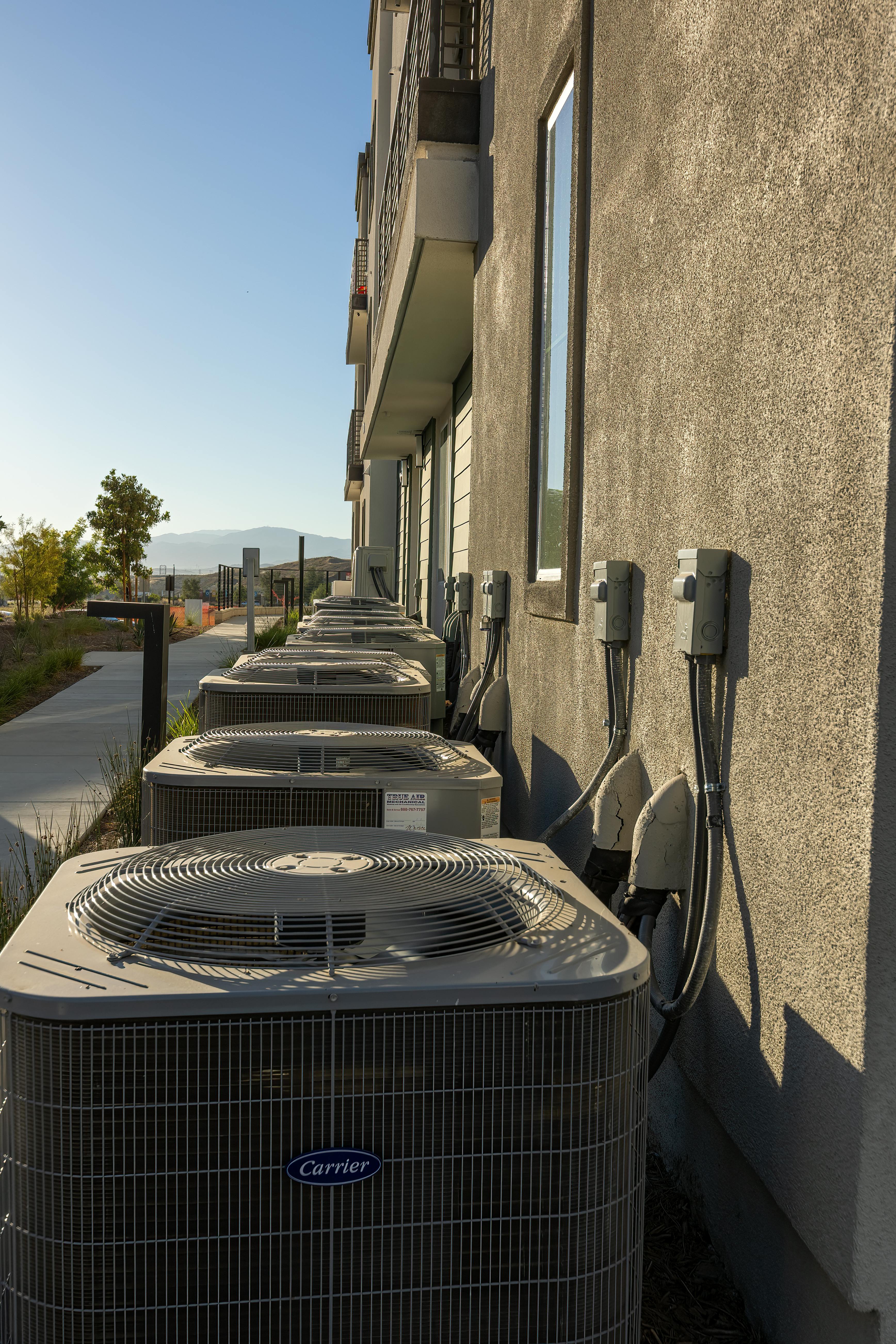
HVAC Replacement in Sherwood Forest, CA
Replacing an aging or failing HVAC system is one of the most impactful home upgrades you can make for comfort, indoor air quality, and energy savings. In Sherwood Forest, CA, where warm summers and variable air quality from regional wildfire smoke are common, the right system selection and professional installation matter more than ever. This page explains the full HVAC replacement process, what to expect on site, and how the right equipment and ductwork improvements deliver measurable comfort and efficiency gains in Sherwood Forest homes.
Common signs you need HVAC replacement in Sherwood Forest, CA
- Frequent breakdowns or repair calls for a system older than 10 to 15 years
- Rising energy bills despite routine service and filter changes
- Uneven temperatures between rooms or persistent hot/cold spots
- Poor airflow, strange noises, or refrigerant leaks
- Difficulty maintaining set thermostat temperatures during hot months
- Indoor air quality concerns, especially during wildfire season
On-site assessment and load / SEER calculations
A proper replacement begins with a thorough on-site assessment. Technicians measure the home and evaluate:
- Square footage, ceiling heights, insulation levels, window orientation, shade and solar exposure
- Existing duct layout, condition, and static pressure readings
- Occupancy patterns and thermostat locations
- Local climate factors specific to Sherwood Forest, CA, such as summer cooling loads and occasional poor outdoor air quality
From this data a Manual J load calculation is performed to determine accurate heating and cooling requirements. That calculation drives the size and type of equipment chosen. SEER (Seasonal Energy Efficiency Ratio) numbers are explained and used to show expected seasonal cooling efficiency. Sizing to the exact load avoids short cycling, improves comfort, and maximizes system lifespan.
Professional equipment selection
Options commonly recommended for Sherwood Forest homes:
- High-efficiency central split systems with variable-speed compressors for balanced comfort and quiet operation
- Heat pumps (air source or dual fuel) that provide efficient cooling and heating in California’s climate
- Ductless mini-splits for room additions, garages, or homes with limited ductwork
- Compatible smart thermostats, multi-stage controls, and enhanced filtration for better IAQ
Selection criteria include SEER/HSPF ratings, matched indoor coils, compressor technology (inverter/variable speed), refrigerant type, and compatibility with existing ductwork. Equipment choices take into account Title 24 requirements and common local concerns like reducing cooling costs during Sherwood Forest’s hot spells and improving filtration during smoke events.
Removal and environmentally responsible disposal
Old units are removed with attention to safety and environmental compliance:
- Refrigerant recovery using certified equipment to meet EPA rules
- Proper disposal or recycling of metal, electronics, and insulation materials
- Documentation of disposal and refrigerant handling for homeowner records
This ensures older refrigerants and components don’t harm the environment and that disposal follows state and federal requirements.
Ductwork inspection, repairs, and replacement
Ductwork is often the hidden source of inefficiency. The replacement process includes:
- Visual inspection and pressure testing to identify leaks and poorly insulated runs
- Sealing and insulating ducts to reduce losses, improve airflow, and maintain balanced temperatures
- Replacing damaged or undersized duct sections, redesigning runs for better airflow where needed
- Addressing return air pathways and adding filtration upgrades to improve indoor air quality during smoke events
Well-sealed, correctly sized ductwork can reduce energy waste, eliminate hot and cold spots, and allow high-efficiency equipment to perform as intended.
Installation timeline and post-installation testing
Typical timeline elements:
- Day 1: Final measurement and pre-install prep
- Day 2: Removal of old equipment and ductwork repairs or replacement of critical sections
- Day 3: Installation of new equipment, electrical connections, and system charging
- Final day: Commissioning and homeowner orientation
Post-installation testing includes refrigerant charge verification, airflow measurements, static pressure checks, thermostat calibration, electrical safety checks, and a full system startup. Technicians document measured performance against expected values and register manufacturer warranties.
Warranty and maintenance plan options
Understand the warranty landscape:
- Manufacturer warranty covers specific parts and compressors for stated terms
- Labor and workmanship warranties cover installation-related issues for a defined period
- Extended maintenance plans typically include seasonal tune-ups, priority service scheduling, and filter or component inspections
Regular preventive maintenance preserves efficiency, sustains manufacturer warranty eligibility, and reduces the likelihood of mid-summer failures.
Transparent estimates and financing considerations
A clear, itemized estimate outlines equipment, labor, necessary ductwork, permitting, disposal, and warranty details so homeowners can compare apples to apples. Many Sherwood Forest homeowners look at lifecycle cost comparisons — initial purchase plus expected energy savings — to evaluate long-term value. Information on commonly available financing structures can be provided to help plan the investment and cash flow without surprises.
Expected improvements: comfort, efficiency, and indoor air quality
After a proper HVAC replacement you can expect:
- More consistent temperatures across rooms and fewer hot or cold spots
- Noticeably quieter operation and steadier run cycles with variable-speed systems
- Lower cooling and heating costs; savings vary but homeowners often see significant drops compared with very old equipment when paired with duct improvements and high-efficiency units
- Better indoor air quality with upgraded filtration, improved ventilation, and reduced infiltration of outdoor smoke during wildfire events
Maintenance tips for long-term performance
- Schedule professional tune-ups twice a year, focusing on cooling before summer and heating before winter
- Replace filters regularly and upgrade to higher MERV ratings if compatible with the system
- Keep outdoor condensing units free of debris and vegetation to maintain airflow
- Monitor thermostat behavior and room comfort; small changes can indicate larger issues
Frequently Asked Questions
Q: How long does a typical HVAC replacement take from assessment to finish?
A: Most residential replacements with moderate ductwork repairs are completed in 2 to 4 days; more extensive duct redesigns or custom installations may take longer. Final commissioning and paperwork typically finish on the last day.
Q: Will replacing my system lower my energy bills?
A: Yes. Replacing a 10 to 20-year-old unit with a modern high-efficiency system and fixing duct losses commonly reduces energy use for heating and cooling. Actual savings depend on system efficiency, home insulation, and usage patterns.
Q: Do I need new ductwork when I replace my HVAC system?
A: Not always. A duct inspection and pressure test identifies whether repairs, sealing, or full replacement is needed. Many homes benefit from targeted repairs and sealing rather than complete replacement.
Q: What should I look for in equipment for wildfire-prone seasons?
A: Prioritize systems compatible with high-efficiency filtration (MERV 13 where possible), ensure tight building pressurization strategies, and consider improved ventilation controls to minimize ingress of smoke when outdoor air quality is poor.
Q: How are warranties handled after installation?
A: You will receive manufacturer warranty documentation for parts and compressors and a separate labor or workmanship warranty from the installer. Proper registration and following maintenance schedules help preserve warranty coverage.
Customer
Testimonials
Our customers consistently praise the exceptional service and professionalism of our team. They appreciate the honest advice, meticulous work, and the care taken to ensure their satisfaction.

.webp)
Service Areas
