

HVAC Replacement in Santa Ana, CA

Replacing your HVAC system is one of the most important investments for comfort, indoor air quality, and energy efficiency in Santa Ana homes. With hot, dry summers, mild winters, and periodic Santa Ana winds that push dust and particulate matter into homes, older or improperly sized systems can struggle—raising energy bills, producing uneven comfort, and requiring frequent repairs. Precise Air Systems (FERGUSON) explains how to know when replacement is appropriate, what the replacement process looks like in Santa Ana, and what to expect from permits, installation, warranties, financing, testing, and ongoing maintenance.
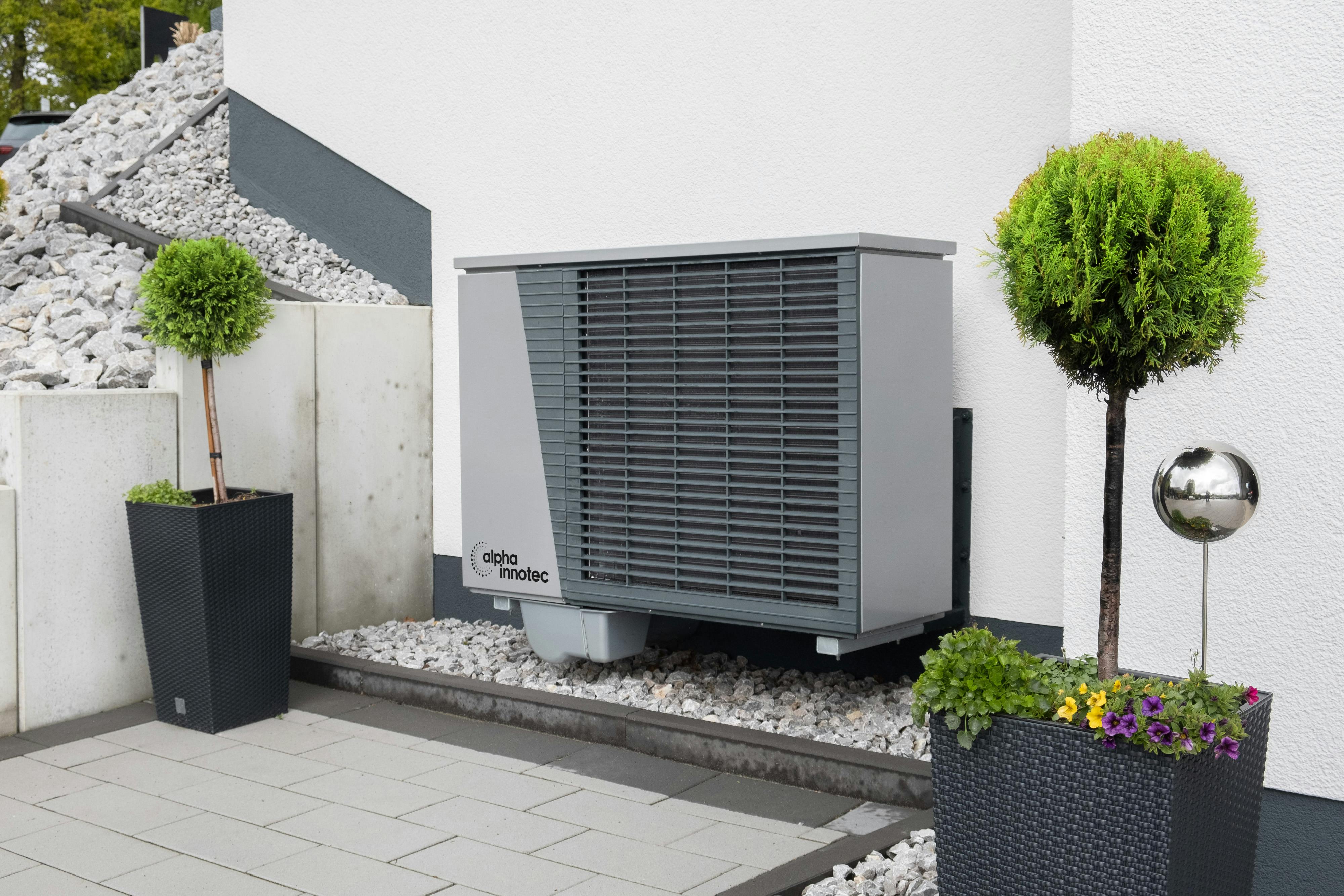
HVAC Replacement in Santa Ana, CA
Replacing your HVAC system is one of the most important investments for comfort, indoor air quality, and energy efficiency in Santa Ana homes. With hot, dry summers, mild winters, and periodic Santa Ana winds that push dust and particulate matter into homes, older or improperly sized systems can struggle—raising energy bills, producing uneven comfort, and requiring frequent repairs. This page explains how to know when replacement is appropriate, what the replacement process looks like in Santa Ana, and what to expect from permits, installation, warranties, financing, testing, and ongoing maintenance.
Common signs your HVAC needs replacement in Santa Ana
- Age over 10–15 years: Most central air systems and heat pumps lose efficiency and reliability after about a decade.
- Rising energy bills despite similar use: Reduced efficiency and refrigerant leaks make systems work harder.
- Frequent breakdowns or costly repairs: Repeated compressor, coil, or control failures usually signal end-of-life.
- Inconsistent temperatures or poor airflow: Sizing problems, failing components, or deteriorated ductwork.
- Excessive noise or odors: Worn motors, clogged drains, or failing combustion parts in gas furnaces.
- Poor indoor air quality: Allergens and dust problems accentuated by Santa Ana winds suggest modern filtration and ventilation upgrades.
HVAC replacement process in Santa Ana
A professional replacement focuses on comfort, efficiency, and code compliance. Typical stages include:
- Initial assessment and system audit
- Review equipment age and repair history.
- Inspect ductwork, insulation, thermostat, and electrical service.
- Evaluate indoor air quality needs given local dust and pollen patterns.
- Load calculations and right-sizing
- Perform a Manual J (or equivalent) heat load calculation to size equipment correctly.
- Consider orientation, insulation levels, window types, and attic temperatures in Santa Ana’s climate.
- Right-sizing prevents short-cycling, improves dehumidification, and extends equipment life.
- Equipment selection
- Compare options: central split systems, packaged systems, air-source heat pumps, or ductless mini-splits for zone control.
- Prioritize high-efficiency models (higher SEER/HSPF or heat pump COP) to offset Santa Ana cooling loads.
- Factor in advanced features: variable-speed compressors, two-stage systems, and smart thermostats for better comfort and savings.
- Duct and airflow evaluation
- Test for leaks, insulation deficits, and airflow restrictions.
- Repair or replace ductwork if leaks or inadequate sizing reduce performance.
Professional installation steps
- Pre-installation planning and scheduling that aligns with permit timelines.
- Site preparation: protecting floors, landscaping, and access routes for equipment.
- Removal of old equipment following refrigerant recovery protocols.
- Precise mounting of outdoor and indoor units, refrigerant line runs, and electrical connections.
- Duct connections, condensate routing, and thermostat installation.
- Final testing: refrigerant charge, airflow, safety controls, combustion testing (for gas), and thermostat calibration.
Permits and code compliance
Santa Ana installations must meet California building and energy codes (including Title 24 energy requirements), local Santa Ana building department permit rules, and state refrigerant handling regulations. Proper permits ensure:
- Electrical and mechanical work meets safety standards.
- Energy compliance forms are filed when required.
- Final inspections validate safe operation and code adherence.
Licensed technicians are required for refrigerant recovery and disposal under state and federal regulations.
Brands and warranty information
Commonly available, high-quality brands include Carrier, Trane, Lennox, Goodman, Mitsubishi Electric, and Daikin. Warranties typically include:
- Compressor warranties often 5–10 years or more with factory registration.
- Parts warranties varying from 1 to 10 years depending on the manufacturer and registered plans.
- Optional extended warranties and labor coverage from installers or manufacturers.
Always confirm warranty conditions, required registration steps, preventive maintenance requirements, and whether warranties transfer to a new homeowner.
Financing, incentives, and cost planning
Homeowners in Santa Ana commonly use:
- Bank or lender home improvement loans, credit-based financing, or manufacturer financing plans.
- State and federal incentives, utility rebates, and tax credits for high-efficiency equipment and electrification (heat pumps). Southern California utility programs often offer rebates for qualifying equipment and upgrades.
- Budgeting should include equipment, installation, permit costs, possible ductwork upgrades, and any panel or gas line modifications.
Post-installation testing and maintenance plans
After installation, expect thorough commissioning: airflow checks, refrigerant verification, electrical testing, and user walk-throughs on thermostat and filters. Ongoing maintenance recommendations:
- Seasonal tune-ups (biannual for mixed fuel systems) to maintain efficiency and extend lifespan.
- Regular filter changes and monitoring of condensate drains.
- Annual safety checks for gas furnaces: combustion efficiency and venting.
- Consider a maintenance plan with priority service and preventive inspections to reduce unexpected failures.
Disposal and recycling of old equipment
California regulations require proper refrigerant recovery and disposal. Recyclable metals and components are separated, and hazardous fluids are handled by certified technicians. Responsible disposal prevents leaks and helps meet environmental rules.
Typical timelines and what to expect during the project
- Initial assessment and proposal: 1–7 days.
- Permit approval: can range from a few days to a couple of weeks depending on local workload and complexity.
- Installation: straightforward split systems often 1–2 days; systems requiring ductwork or electrical upgrades may take 2–4 days.
- Final inspection and commissioning: within a few days after installation.
During the project expect technicians to protect flooring, communicate schedule changes, and perform noisy operations like equipment removal and copper brazing. Temporary temperature fluctuations are normal while the system is disconnected.
FAQs
Q: How long will a new HVAC system last in Santa Ana?
A: Typical lifespans are 12–20 years depending on system type, maintenance, and usage patterns; heat pumps and high-efficiency units may perform longer with proper care.
Q: Will a new system lower my energy bills?
A: Yes—modern high-efficiency equipment properly sized for your home often reduces cooling and heating costs, especially with smart controls and improved duct sealing.
Q: Do I need permits for HVAC replacement in Santa Ana?
A: Yes; most replacements require mechanical and possibly electrical permits and a final inspection to meet California codes and local regulations.
Q: Should I replace ductwork at the same time?
A: Replace or repair ducts when leaks, poor insulation, or improper sizing compromise airflow or efficiency—upgrading ducts often multiplies the benefits of new equipment.
Q: How long does installation take?
A: Simple replacements can be completed in 1–2 days; complex jobs with ductwork, electrical upgrades, or special permitting can take several days to a week.
Q: Are ductless mini-splits a good option for Santa Ana homes?
A: Yes—ductless mini-splits are efficient for zone control, offer easy installation for additions or retrofits, and perform well in coastal and inland Santa Ana conditions.
Q: What warranties should I look for?
A: Look for long compressor warranties and clear parts coverage, plus read warranty conditions about required maintenance and registration.
Q: Are there incentives or rebates available?
A: State, federal, and local utility rebates and tax credits may apply for high-efficiency systems and electrification upgrades; eligibility varies by program and equipment.
Customer
Testimonials
Our customers consistently praise the exceptional service and professionalism of our team. They appreciate the honest advice, meticulous work, and the care taken to ensure their satisfaction.

.webp)
Service Areas
