

HVAC Replacement in Maywood, CA

Upgrading your heating, ventilation, and air conditioning system is one of the most effective ways to improve comfort, lower energy bills, and protect indoor air quality in Maywood homes. With hot southern California summers, occasional heat waves, and regional air quality concerns, a properly sized, energy-efficient HVAC system ensures reliable cooling when you need it and better filtration for family health. This page explains the replacement process, options, local considerations, and what to expect so you can make a confident, informed decision.
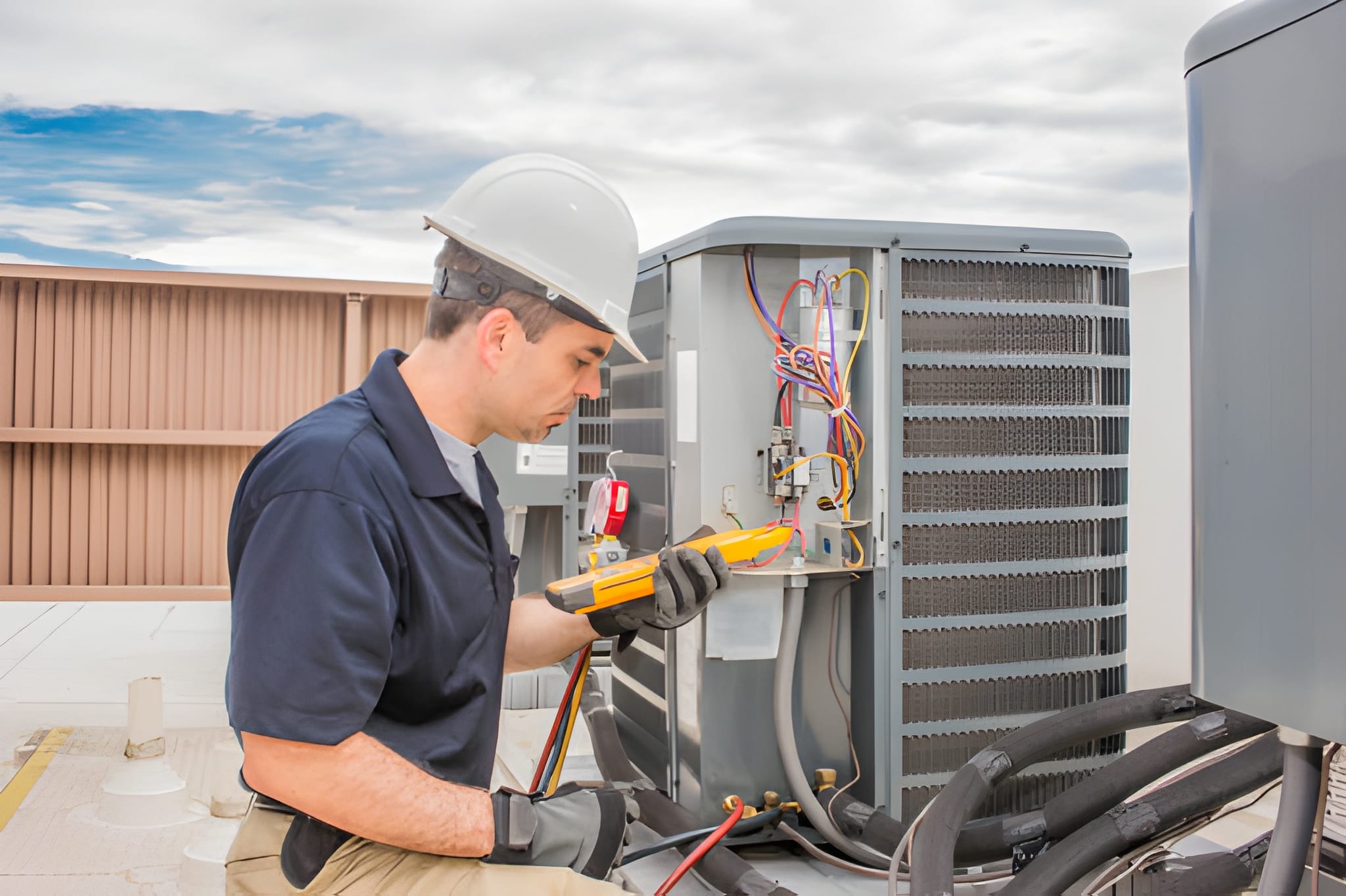
HVAC Replacement in Maywood, CA
Upgrading your heating, ventilation, and air conditioning system is one of the most effective ways to improve comfort, lower energy bills, and protect indoor air quality in Maywood homes. With hot southern California summers, occasional heat waves, and regional air quality concerns, a properly sized, energy-efficient HVAC system ensures reliable cooling when you need it and better filtration for family health. This page explains the replacement process, options, local considerations, and what to expect so you can make a confident, informed decision.
Common HVAC replacement triggers in Maywood homes
- Age and frequent breakdowns: Systems older than 10 to 15 years often face repeated failures and refrigerant phase-out issues.
- Rising energy bills: Older or improperly sized systems can spike electrical use during Maywood’s warm months.
- Poor or uneven comfort: Rooms that stay hot or cold indicate undersized equipment, duct problems, or poor airflow.
- R-22 refrigerant concerns: Older units that use R-22 are becoming costly to service and are often a reason to replace.
- Air quality and filtration needs: Due to regional smog and dust, many homes benefit from upgraded filtration and ventilation.
- Visible rust, refrigerant leaks, or noisy operation: These are signs replacement may be more cost effective than repair.
Replacement options: full system vs component replacement
- Full system replacement (recommended in many cases)
- Pros: Matched components for peak efficiency, better warranty coverage, longer expected lifespan, modern refrigerants and controls.
- Best when: Equipment is older than 10 years, multiple components are failing, or ductwork and control systems are outdated.
- Component replacement (partial)
- Pros: Lower immediate cost, quick fix for a single failed part (compressor, coil, air handler).
- Cons: Mismatched components can reduce efficiency and shorten equipment life.
- Best when: A single, newer component failed and the rest of the system is in good condition.
How we evaluate your home: diagnostics and load calculations
A proper replacement begins with a thorough evaluation that includes:
- Manual J load calculation to determine correct system size based on your home’s square footage, insulation, window orientation, occupancy, and local climate. Oversizing is a common mistake that causes short cycling and poor humidity control.
- Duct inspection and Manual D review to assess leaks, insulation, and airflow; many homes require duct sealing or resizing.
- Electrical and panel check to confirm capacity and safety for new equipment.
- Attic and insulation assessment since Maywood’s summer heat can increase cooling demand without proper attic insulation.
- Indoor air quality needs including filtration, ventilation, and potential duct cleaning.
Step-by-step HVAC replacement process
- Initial system evaluation and load calculation to select properly sized equipment.
- Equipment recommendation with options for SEER ratings, efficiency tiers, and IAQ add-ons.
- Permit coordination and pre-install approvals to ensure compliance with California codes and local Maywood requirements.
- Professional removal and disposal of the old unit, including secure refrigerant recovery to meet environmental rules.
- Installation of new outdoor and indoor units, duct modifications, electrical hookup, and thermostat integration.
- Commissioning and performance testing: refrigerant charge, airflow, temperature split, and safety checks.
- Homeowner walkthrough explaining system operation, thermostat settings, and maintenance tips.
- Final permit inspection and sign-off as required by local authorities.
Permits, code compliance, and local factors
California has strict energy and refrigerant rules that affect replacement decisions. In Maywood, replacements must meet state and local code requirements such as correct efficiency ratings and certified refrigerant handling. Proper permit handling and inspection scheduling are part of the replacement plan so systems are installed legally and safely. Local air quality considerations make upgraded filtration and efficient refrigerants especially important for long-term compliance and health benefits.
Warranty, financing, and cost expectations
- Warranties typically include manufacturer parts and compressor coverage plus separate labor warranties. Matched systems often carry the strongest warranties.
- Financing options are commonly available to spread replacement costs over time; options vary based on provider and project scope.
- Factors that influence cost: system capacity, SEER and efficiency level, ductwork repair or replacement, electrical upgrades, permits, and IAQ add-ons such as high-efficiency filters or UV lights.
- Estimated timeline: most full-system replacements take from one to several days depending on complexity, ductwork modifications, and permit inspections.
Post-installation testing and system optimization
After installation, thorough testing ensures the system performs as intended:
- Verify correct refrigerant charge and compressor operation.
- Measure airflow and static pressure to confirm ductwork and fan settings are balanced.
- Calibrate thermostat and confirm zoning or multi-stage operation if present.
- Optimize settings for efficiency during Maywood heat and to address humidity control.
- Provide documentation of measured performance and maintenance recommendations.
Maintenance plans to protect your investment
A preventative maintenance plan prolongs equipment life and preserves efficiency:
- Biannual tune-ups for cooling and heating seasons to clean coils, check refrigerant levels, lubricate motors, and inspect controls.
- Filter replacement schedules matched to your household and local air quality.
- Priority service and discounted repairs under many plans help reduce lifetime costs and prevent emergency breakdowns during peak summer demand.
Q: How do I know if my Maywood home needs a full HVAC replacement or just a repair?
A: If your system is older than 10 to 15 years, uses R-22 refrigerant, has frequent breakdowns, or cannot maintain comfort despite repairs, a full replacement is often more cost effective. A professional load calculation and inspection will determine the right course.
Q: Will a new HVAC system lower my energy bills in Maywood?
A: Yes, modern systems with higher SEER ratings, correct sizing, and sealed ductwork typically reduce cooling costs, especially during hot months when energy use is highest.
Q: How long does an HVAC replacement typically take?
A: Most standard full-system replacements are completed in one to three days. Complex jobs that require duct replacement or electrical upgrades can take longer.
Q: Are permits required for HVAC replacement in Maywood?
A: Yes, replacement work generally requires permits and final inspections to comply with California energy and safety codes. Permit handling is part of a complete replacement service.
Q: What indoor air quality upgrades are recommended for Maywood homes?
A: High-efficiency filters (MERV-rated), whole-home ventilation, UV air purification, and proper humidity control are common upgrades that improve IAQ given local air quality concerns.
Customer
Testimonials
Our customers consistently praise the exceptional service and professionalism of our team. They appreciate the honest advice, meticulous work, and the care taken to ensure their satisfaction.

.webp)
Service Areas
