

HVAC Replacement in Manhattan Beach, CA

Replacing an aging or underperforming heating, ventilation, and air conditioning system is one of the most effective investments you can make in a Manhattan Beach home. Coastal climate, salt air exposure, and California energy regulations make the right equipment selection and professional installation essential for reliable comfort, efficient operation, and long-term durability. This page walks through the full HVAC replacement process so you know what to expect: assessment and sizing, equipment selection, duct and electrical evaluation, removal and disposal, timelines, permits and local code compliance, warranties and financing, and post-installation testing and commissioning.
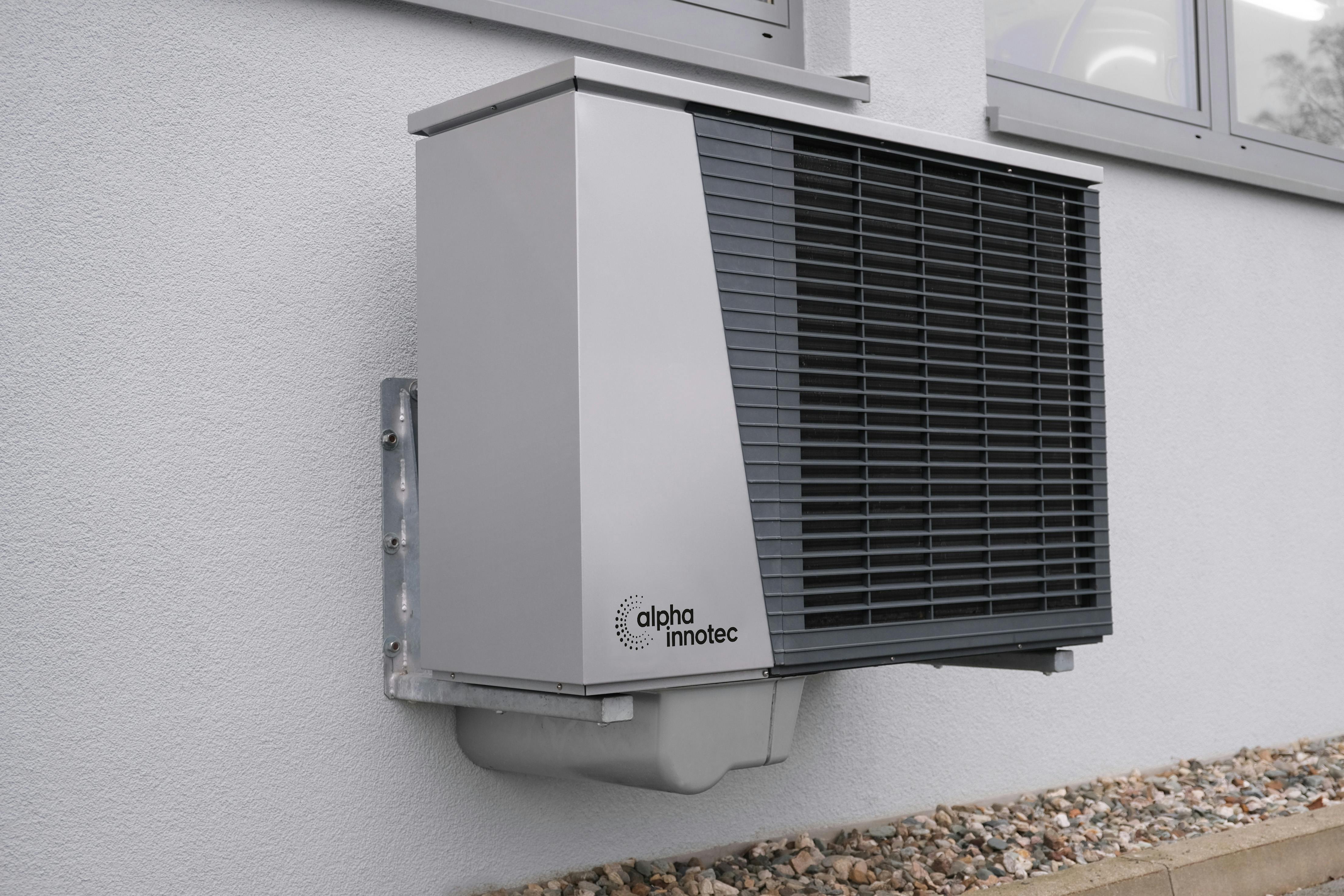
HVAC Replacement in Manhattan Beach, CA
Replacing an aging or underperforming heating, ventilation, and air conditioning system is one of the most effective investments you can make in a Manhattan Beach home. Coastal climate, salt air exposure, and California energy regulations make the right equipment selection and professional installation essential for reliable comfort, efficient operation, and long-term durability. This page walks through the full HVAC replacement process so you know what to expect: assessment and sizing, equipment selection, duct and electrical evaluation, removal and disposal, timelines, permits and local code compliance, warranties and financing, and post-installation testing and commissioning.
Common reasons Manhattan Beach homeowners need HVAC replacement
- Frequent breakdowns and rising repair costs
- System unable to maintain consistent temperatures or control humidity
- Poor indoor air quality or uneven airflow in rooms
- Old equipment with low efficiency ratings and high utility bills
- Corrosion or accelerated wear from coastal salt air
- Need to meet California energy code requirements and improve home value
Initial system assessment and load calculations
A thorough replacement starts with a professional assessment and accurate load calculations. Technicians will:
- Inspect insulation, window orientation, building envelope, attic ventilation, and existing ductwork condition
- Perform a Manual J load calculation to determine heating and cooling requirements specific to your Manhattan Beach home
- Use Manual D for duct design and Manual S to match equipment capacities
Accurate sizing is critical. Oversized units short-cycle, reduce dehumidification, and shorten component life. Undersized systems run constantly and fail to meet comfort goals. The local climate — mild but humid at times — makes correct sizing and humidity control especially important.
Choosing the right energy-efficient and appropriately sized replacement unit
- For Manhattan Beach, modern high-efficiency heat pumps are often an excellent choice because they perform well in mild coastal climates and provide both cooling and heating with good energy savings.
- Look for units with high SEER and HSPF ratings, variable-speed compressors and ECM blower motors for quieter operation and better humidity control.
- Consider corrosion-resistant coatings or stainless-steel coils to combat the effects of salt-laden air near the coast.
- Equipment selection will also factor in thermostat compatibility, zoning needs, and space constraints for condensing units and air handlers.
Ductwork and electrical evaluation and upgrades
A new HVAC system performs best when ductwork and electrical systems are in good condition.
- Duct evaluation: technicians will check for leaks, inadequate insulation, damaged flex ducts, poor return-air configuration, and static pressure issues. Typical solutions include duct sealing, insulation, re-routing, or partial replacement.
- Electrical evaluation: confirm the service panel has adequate capacity, proper disconnect and breaker sizing, and that new equipment meets NEC and local electrical codes. Upgrades may include dedicated circuits, new disconnects, or a panel or service upgrade if required.
Step-by-step removal and disposal of old equipment
Safe, code-compliant removal protects your property and the environment.
- Recover refrigerant in accordance with EPA regulations and local requirements
- Disconnect electrical and gas lines safely, cap and secure utilities
- Remove outdoor condensing unit and indoor air handler or furnace with protective measures for floors and landscaping
- Recycle or dispose of components per California and city of Manhattan Beach guidelines, salvaging metals and properly handling hazardous materials
Timeline and project milestones
Project length varies by scope but common milestones include:
- Assessment and load calculations: 1-3 days
- Proposal and equipment ordering: equipment lead times typically 1-3 weeks depending on model
- Permit application and approval: permit timelines vary; plan for several days to a few weeks
- Pre-installation prep (ductwork or electrical upgrades): 1-5 days
- Equipment installation and commissioning: 1-3 days for typical homes; larger or complex jobs may take longer
- Final inspection and sign-off: scheduled with local inspectors after completion
Overall replacement projects in Manhattan Beach commonly run from 2 to 6 weeks from assessment to final inspection, depending on permit timing and equipment availability.
Permits and local code compliance
HVAC replacements in Manhattan Beach must comply with California Title 24 energy standards and local building codes. Required permits and inspections ensure installations meet efficiency, safety, and ventilation requirements. Expect documentation of load calculations, equipment efficiency ratings, refrigerant handling, and inspection approvals as part of the process.
Warranty, financing, and maintenance options
- Manufacturer warranties cover components; many contractors provide labor warranties for installation work. Read warranty details for coverage length and conditions.
- Maintenance plans typically include biannual tune-ups, filter replacement guidance, refrigerant charge checks, and safety inspections to preserve efficiency and extend equipment life.
- Financing options and payment plans can ease upfront costs; homeowners may also explore local or state incentives for high-efficiency equipment or heat pumps that reduce long-term operating costs.
Post-installation testing and commissioning
Comprehensive start-up testing verifies the system performs to specification:
- Verify refrigerant charge, suction and discharge pressures, and compressor operation
- Measure airflow, static pressure, and temperature differentials across the coil
- Test safety controls, electrical connections, and thermostat calibration
- Balance zones and adjust dampers if required for even airflow
- Document results in a start-up report and walk through system operation with the homeowner, including thermostat settings and maintenance recommendations
Why timely HVAC replacement matters in Manhattan Beach
Replacing an inefficient or failing HVAC system proactively avoids repeated emergency repairs, improves comfort and humidity control, reduces energy bills, and addresses corrosion risks unique to coastal homes. A properly selected and installed system delivers quieter operation, more consistent indoor temperatures, improved indoor air quality, and compliance with energy codes that protect your home’s value.
Q: How do professionals determine the right size HVAC unit for my Manhattan Beach home?
A: Technicians perform Manual J load calculations that account for insulation, windows, orientation, occupancy, and local climate to determine accurate heating and cooling loads, then use Manual S to select equipment that matches those needs.
Q: Are heat pumps a good choice for Manhattan Beach, CA?
A: Yes. Heat pumps are efficient in mild coastal climates, providing both heating and cooling with strong energy performance and improved humidity control compared with older systems.
Q: Will my ductwork usually need repair during an HVAC replacement?
A: Many homes benefit from duct inspection and sealing. Common issues include leaks, poor insulation, restricted returns, and damaged flexible ducts. Repairs or partial replacement are often recommended to optimize performance.
Q: What permits are required for HVAC replacement in Manhattan Beach?
A: HVAC replacements typically require building permits and inspections to ensure code compliance, including California Title 24 energy requirements. Permit specifics depend on project scope and local regulations.
Q: What precautions are taken for coastal salt air exposure?
A: Installations in coastal areas often use corrosion-resistant components, protective coatings on outdoor units, elevated pad placement, and routine maintenance plans to mitigate salt air effects.
Q: What should be included in post-installation testing?
A: Post-installation testing should include refrigerant verification, airflow and static pressure measurements, thermostat programming, safety control checks, and a homeowner walkthrough with operating instructions and a start-up report.
Customer
Testimonials
Our customers consistently praise the exceptional service and professionalism of our team. They appreciate the honest advice, meticulous work, and the care taken to ensure their satisfaction.

.webp)
Service Areas
