

HVAC Replacement in Lynwood, CA

Replacing an aging or failing HVAC system is one of the most effective ways to improve comfort, lower utility bills, and protect indoor air quality in Lynwood, CA homes. With hot summers, variable humidity, and statewide energy rules, a properly sized, code-compliant system matters here more than ever. This page explains the full HVAC replacement process for Lynwood homeowners: on-site assessment and load calculations, equipment recommendations (central HVAC or ductless Mitsubishi), ductwork evaluation, permitting, installation timeline, responsible disposal of old equipment, warranties, and energy and IAQ tips tailored to the local climate.
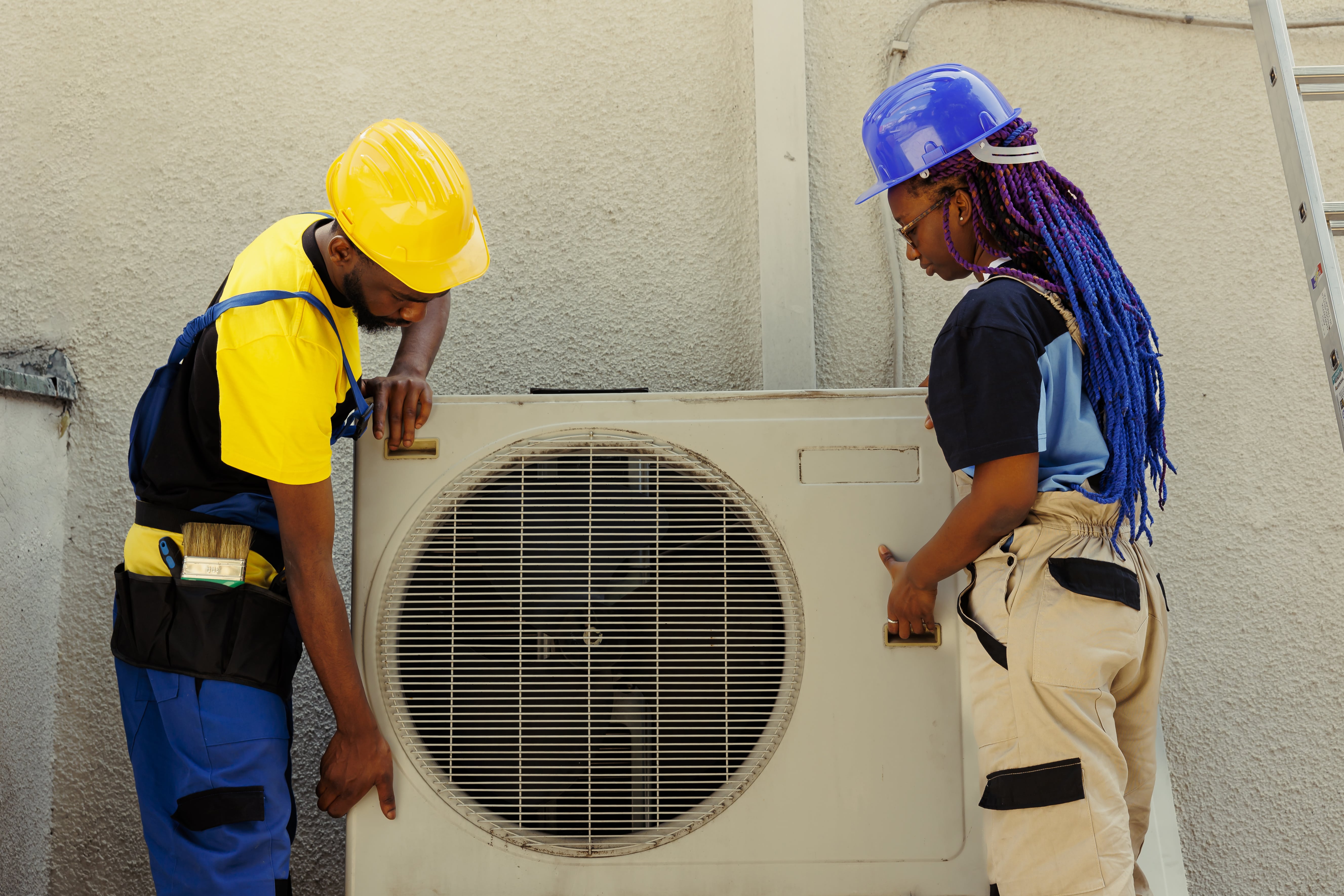
HVAC Replacement in Lynwood, CA
Replacing an aging or failing HVAC system is one of the most effective ways to improve comfort, lower utility bills, and protect indoor air quality in Lynwood, CA homes. With hot summers, variable humidity, and statewide energy rules, a properly sized, code-compliant system matters here more than ever. This page explains the full HVAC replacement process for Lynwood homeowners: on-site assessment and load calculations, equipment recommendations (central HVAC or ductless Mitsubishi), ductwork evaluation, permitting, installation timeline, responsible disposal of old equipment, warranties, and energy and IAQ tips tailored to the local climate.
Why replace your HVAC in Lynwood, CA
- Older systems lose efficiency and cost more to run during long warm seasons experienced in Lynwood.
- Recurring breakdowns or refrigerant leaks signal end-of-life issues that can raise energy use and create poor indoor air quality.
- California energy codes and local permitting encourage modern, higher-efficiency equipment to meet Title 24 requirements and utility incentive rules.
- Upgrading provides immediate comfort improvements, better humidity control, quieter operation, and options like zoning or ductless systems for rooms that struggle with even temperatures.
Common HVAC replacement reasons in Lynwood
- System is over 10 to 15 years old with frequent repairs
- Significant drop in cooling capacity or uneven temperatures
- Rising electric bills despite normal use
- R-22 refrigerant phase-out or frequent refrigerant recharges
- Duct leaks, poor insulation, or mold contamination in ducts
- Desire for energy-efficient options, smart thermostats, or zoned comfort
On-site system assessment and load calculations
A reliable replacement starts with a thorough on-site assessment:
- Visual inspection of existing equipment, electrical, and airflow paths
- Manual J load calculation to determine accurate heating and cooling needs based on home size, insulation, windows, orientation, and Lynwood climate influence
- Manual D duct design review to check duct sizing, static pressure, and airflow balance
- Indoor air quality (IAQ) evaluation for filtration, ventilation, and humidity control needs
Accurate load calculations prevent oversizing (which causes short cycling and humidity problems) and undersizing (which leaves rooms uncomfortable during peak heat).
Equipment recommendations: central HVAC and ductless Mitsubishi options
Homeowners in Lynwood commonly choose between central systems and ductless mini-split options depending on home layout and goals.
Central HVAC options
- High-efficiency heat pumps and furnace/AC combinations that comply with California efficiency standards
- Variable-speed compressors and ECM blowers for better comfort and lower operating costs
- Options for two-stage or modulating systems to improve humidity control in warm months
Ductless Mitsubishi systems
- Ideal for room additions, converted garages, older homes with poor or no ductwork, or for creating zones without remodeling
- High seasonal efficiency, fast installation, and precise temperature control per room
- Quiet operation and advanced filtration options that support better indoor air quality
Equipment choices will be matched to load calculations, budget considerations, and long-term energy goals.
Ductwork evaluation and necessary modifications
Duct performance directly affects comfort and system efficiency:
- Inspect for leaks, disconnected runs, poor insulation, and inadequate returns
- Recommend sealing, insulating, or reconfiguring ducts to reduce losses and pressure issues
- Consider duct replacement or redesign when ducts are undersized, contaminated, or incompatible with the new system
- For ductless installations, evaluate mounting locations and line set routing to minimize visual impact and maximize efficiency
Transparent estimates, incentives, and financing information
A thorough replacement proposal includes:
- Itemized, transparent cost estimates for equipment, labor, permitting, and necessary ductwork or electrical upgrades
- Explanation of warranty coverage and expected performance levels
- Information on available rebates, utility incentives, and potential federal or state tax credits that can offset upgrade costs in California
- Overview of common financing options for homeowners seeking to spread payments over time
All estimates reflect local code requirements and typical Lynwood permitting fees.
Permitting and code compliance in Lynwood
Replacement projects must comply with California Title 24 energy code and local building codes:
- Permits are obtained through the City of Lynwood building department and any applicable county or regional agencies
- Equipment must meet efficiency and installation standards; refrigerant handling must comply with EPA and state rules
- Inspections ensure electrical, mechanical, and ductwork installations satisfy safety and code requirements
- Documentation for rebates and incentive programs is prepared as needed
Step-by-step installation timeline and what to expect on install day
A typical replacement follows these stages:
- Pre-installation: final measurements, equipment delivery scheduling, and any required material permits
- Day 1 — Demolition and removal: disconnecting and safely removing old equipment, protecting floors and belongings, and transporting old units for disposal
- Day 2 — Mechanical work: installing new outdoor and indoor units, duct modifications, refrigerant line connections, and electrical hookups
- Day 3 — Final connections and startup: system charging, airflow balancing, thermostat setup, and initial performance testing
- Final inspection and homeowner orientation: walkthrough of system operation, filter locations, and basic maintenance steps
Install day expectations
- Clear work zones and protection for floors and HVAC openings
- Professional technicians following safety and refrigerant handling protocols
- Clean-up and responsible removal of packaging and old components at project completion
Timing depends on project scope. Simple replacements may take 1-2 days; major ductwork or multi-zone upgrades can take longer.
Removal and responsible disposal of old equipment
Old HVAC units are removed and disposed of in compliance with environmental regulations:
- Refrigerant recovery and proper disposal in accordance with EPA and California rules
- Recycling of metal components and responsible handling of electronic parts
- Documentation of disposal for permit and rebate purposes
Warranty, post-installation maintenance, and service plans
Post-installation support preserves performance and protects your investment:
- Manufacturer equipment warranty details and typical labor warranty information are provided with estimates
- Recommended maintenance plans include seasonal tune-ups, filter changes, and annual performance checks to extend equipment life and maintain efficiency
- Guidance on routine homeowner checks and signs that indicate a service call is needed
Tips for improving energy savings and indoor air quality in Lynwood homes
- Use programmable or smart thermostats to reduce runtime during unoccupied hours
- Install high-efficiency filters and consider electronic air cleaners or UV light for homes with allergy or IAQ concerns
- Seal and insulate ducts, attics, and windows to reduce cooling loads during hot months
- Shade south- and west-facing windows and use ceiling fans to improve perceived comfort while running HVAC less
- Schedule annual maintenance before peak season to ensure peak performance and identify issues early
Q: How long does a full HVAC replacement usually take?
A: Most straightforward replacements take 1 to 3 days. Projects requiring significant ductwork, electrical upgrades, or multiple zones may require additional days and a staged schedule.
Q: Will a new system lower my energy bills in Lynwood?
A: A properly sized, high-efficiency system combined with sealed ducts and good insulation typically reduces energy use. Savings depend on the efficiency jump from the old system and household usage patterns.
Q: Can I replace only the outdoor condenser and keep my existing air handler?
A: In some cases a matched component replacement is possible, but mismatched equipment can reduce efficiency and comfort. A full assessment and load calculations will determine the best approach.
Q: Are ductless Mitsubishi systems a good option for Lynwood homes?
A: Yes. Ductless mini-splits are excellent for homes with poor ductwork, room additions, or where zoned comfort is desired. They offer high efficiency and precise temperature control for specific areas.
Q: What permits are required for HVAC replacement in Lynwood?
A: Replacements typically require mechanical and possibly electrical permits through the City of Lynwood. Installations must comply with California Title 24 and local building codes; inspections are part of the permit process.
Q: How do you handle disposal of old refrigerant and equipment?
A: Refrigerant is recovered by certified technicians following EPA guidelines, and components are recycled or disposed of according to state and local environmental regulations.
Q: What maintenance is recommended after a replacement?
A: Annual professional tune-ups, quarterly filter changes (or more often for high-use homes), and seasonal checks of refrigerant charge and airflow keep systems running efficiently.
Q: Are rebates or incentives available for new high-efficiency HVAC systems?
A: Many California utilities and state programs offer rebates or incentives for high-efficiency equipment and heat pumps. Eligibility depends on equipment specifications and program rules. Documentation from the installation and permits is usually required.
Customer
Testimonials
Our customers consistently praise the exceptional service and professionalism of our team. They appreciate the honest advice, meticulous work, and the care taken to ensure their satisfaction.

.webp)
Service Areas
