

HVAC Replacement in Los Angeles, CA

Replacing an aging or failing HVAC system is one of the most impactful upgrades a homeowner or business in Los Angeles can make for comfort, indoor air quality, and energy efficiency. Whether you live near the coast, in the warmer inland valleys, or in central LA, the region’s unique climate, building stock, and air-quality concerns shape how a proper HVAC replacement should be evaluated and executed. This page explains the full replacement process, how professionals determine the right system, the options available for Los Angeles properties, and what to expect during and after installation.
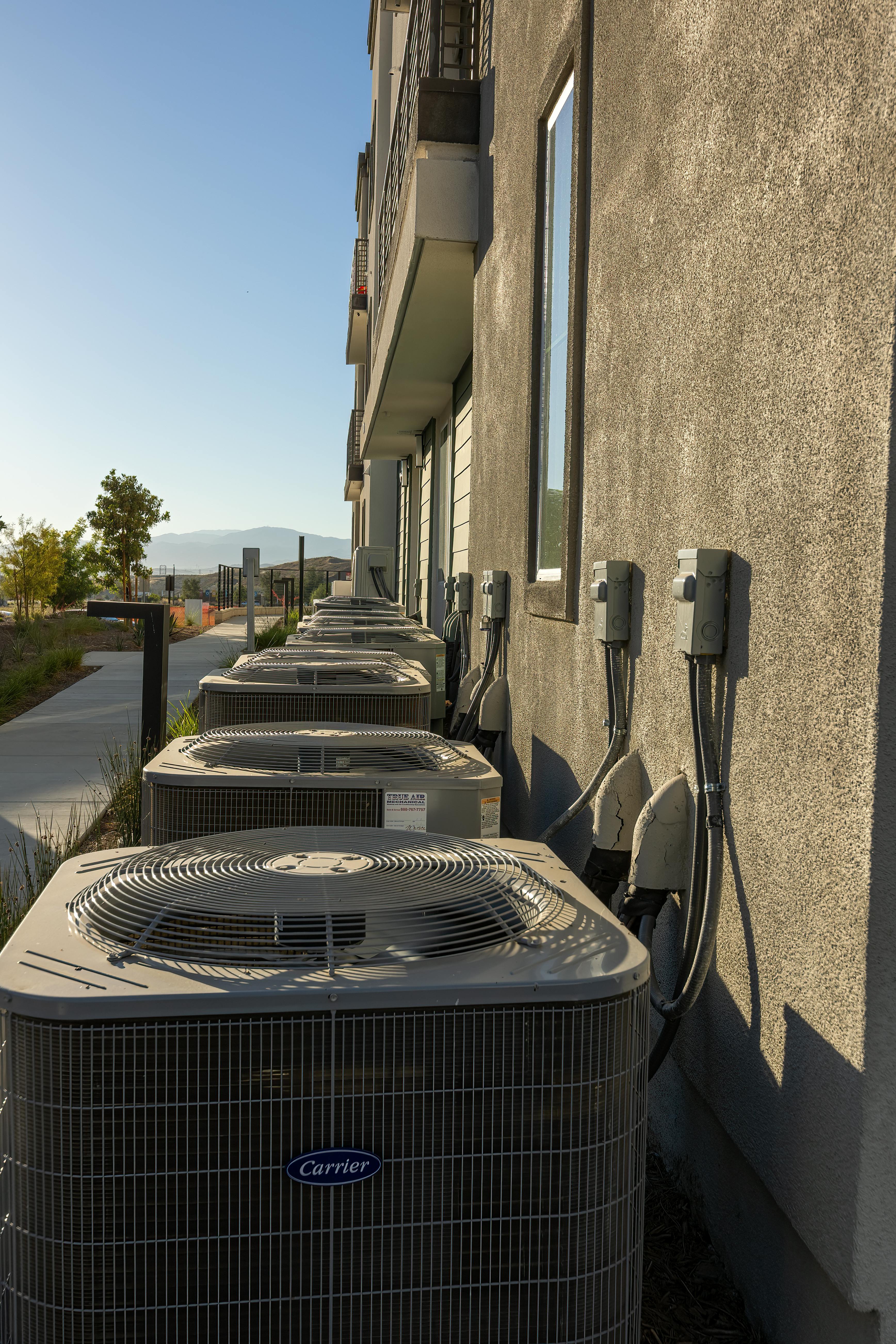
HVAC Replacement in Los Angeles, CA
Replacing an aging or failing HVAC system is one of the most impactful upgrades a homeowner or business in Los Angeles can make for comfort, indoor air quality, and energy efficiency. Whether you live near the coast, in the warmer inland valleys, or in central LA, the region’s unique climate, building stock, and air-quality concerns shape how a proper HVAC replacement should be evaluated and executed. This page explains the full replacement process, how professionals determine the right system, the options available for Los Angeles properties, and what to expect during and after installation.
Why and when HVAC replacement is necessary in Los Angeles homes
Los Angeles homes commonly experience:
- Poor cooling capacity in the summer heat pockets inland
- Reduced efficiency in older central systems with leaking ducts
- Indoor air quality challenges during wildfire smoke seasons
- Frequent short cycling or high utility bills as systems age
Technicians recommend replacement when repairs are frequent, components are obsolete (like R22 refrigerant systems), energy bills remain high despite maintenance, or when a system cannot meet calculated heating or cooling loads. Replacement is also attractive when seeking better filtration, zoned control, or switching to more efficient technologies suited to LA’s climate.
Common HVAC replacement scenarios and options
- Central split systems: Traditional choice for homes with existing ducts; best for whole-home temperature control in older LA neighborhoods.
- Ductless mini-splits: Excellent for retrofits, room additions, apartments, or homes with inadequate or leaky ductwork; popular in LA for targeted cooling and high-efficiency operation.
- High-efficiency packaged units: Often used for commercial properties or single-unit residential applications where rooftop or ground-mounted equipment is appropriate.
- Hybrid systems and heat pumps: Modern heat pumps provide efficient cooling and increasingly efficient heating, ideal for Los Angeles mild winters and reducing fossil-fuel dependence.
- Improved filtration and IAQ upgrades: High-efficiency filters, MERV-rated options, and HEPA-compatible add-ons to address smoke and pollution episodes.
How technicians evaluate existing equipment and decide on replacement
- Visual inspection of the outdoor unit, indoor coil, blower, and controls
- Performance checks: refrigerant charge, airflow, temperature split, electrical integrity
- Building inspection: duct condition, insulation levels, attic access, and zoning constraints
- Age and component availability: assessing whether major parts are obsolete or require unavailable refrigerants
- Cost-versus-benefit analysis: expected lifespan after repairs versus long-term efficiency gains from replacement
- Compliance and permitting: ensuring proposals meet California energy codes and local Los Angeles permit requirements
Sizing and load calculations for Los Angeles properties
Proper sizing is critical. Technicians perform a Manual J load calculation to determine heating and cooling needs based on:
- Square footage and room layout
- Insulation and window types
- Orientation and shading
- Occupancy and internal heat loads (appliances, equipment)
- Local climate data (coastal cooling needs differ from inland valley heat)
Oversized systems lead to short-cycling and poor humidity control; undersized systems run continuously and cannot maintain comfort. Correct sizing also aligns with Title 24 efficiency requirements and helps achieve predicted energy savings.
Energy-efficient options and component comparisons
- Variable-speed compressors and ECM blowers: smoother operation, better dehumidification, and lower running costs in LA’s variable temperatures.
- High SEER and HSPF rated systems: deliver more cooling and heating output per unit of energy.
- Duct sealing and insulation: often the single most cost-effective complement to a new system in older LA homes.
- Smart thermostats and zoning: improve comfort control across different Los Angeles microclimates inside the same building.
Recommended components include reputable compressor brands, high-efficiency coils, properly matched indoor blower assemblies, and industry-standard refrigerants approved for California use.
Step-by-step installation process and typical timeline
- Pre-install assessment and load calculation, equipment selection, and permit submission
- Site preparation: access clearance, electrical/structural checks, and duct preparations
- Removal of old equipment with proper refrigerant recovery and disposal practices
- Installation of new outdoor and indoor units, duct connections or mounting for ductless heads
- Electrical and thermostat wiring, condensate drainage setup, and refrigerant charging
- System startup, balancing, and performance verification including airflow and temperature checks
- Final inspection and permit sign-off
Timeline: a straightforward like-for-like replacement in Los Angeles is commonly completed in a single working day. More complex retrofits, ductwork replacement, or permit-required modifications may take several days to a week depending on scope and inspection scheduling.
Removal, disposal, and environmental compliance
Certified technicians recover refrigerant using EPA-approved methods. Old equipment disposal follows local Los Angeles County recycling and hazardous waste rules. Salvageable components may be recycled; hazardous materials are handled per state and federal guidelines to reduce environmental impact.
Warranty and service agreement considerations
Warranty coverage typically includes:
- Manufacturer’s limited warranty on major components (compressor, coil)
- Installer’s labor warranty for workmanship and parts installed
- Optional extended service agreements for regular maintenance, priority repairs, and parts coverage
For Los Angeles properties, confirm what’s covered, the duration of labor warranties, and the process for warranty claims. Regular tune-ups preserve warranty eligibility and system efficiency.
Financing options and incentives
Homeowners often use a mix of solutions: home improvement loans, manufacturer financing programs, energy-efficiency rebates, or local utility incentives. Los Angeles and California programs may offer rebates for high-efficiency heat pumps or duct improvements and tax-related incentives for energy upgrades. Verify program eligibility and documentation requirements before finalizing equipment selection.
Expected energy savings and post-install maintenance
Upgrading from an old or underperforming system to a properly sized high-efficiency system can yield substantial energy and comfort improvements. Savings vary by system type, existing equipment condition, and occupant behavior. To maintain efficiency and protect your investment:
- Schedule professional tune-ups at least annually
- Replace or clean filters regularly
- Keep outdoor units clear of debris and ensure proper airflow
- Inspect and seal duct connections and insulation periodically
Regular maintenance maximizes expected savings and extends service life.
Q: How do technicians determine if my current HVAC system needs replacement?
A: Technicians combine performance testing, age assessment, part availability, repair frequency, and a cost-versus-benefit analysis to recommend repair or replacement, using load calculations to determine if the existing system can meet comfort needs.
Q: Are ductless systems a good option for Los Angeles homes?
A: Yes. Ductless mini-splits work well for homes without ducts, additions, or units needing zoned control, offering high efficiency and flexible installation suitable for many Los Angeles property types.
Q: What environmental or code considerations affect HVAC replacement in Los Angeles?
A: Installations must follow California energy codes and local permit regulations. Technicians also manage refrigerant recovery and disposal per federal and state environmental rules; some jobs may involve additional local inspections.
Q: What should I expect during the removal of old equipment?
A: Expect certified refrigerant recovery, safe disconnection of electrical and condensate lines, and responsible disposal or recycling of old equipment components according to local regulations.
Q: How often should a new system be tuned up after replacement?
A: Professional maintenance at least once a year is recommended, with seasonal checks (spring for cooling, fall for heating) to keep the system operating efficiently and to protect warranties.
Customer
Testimonials
Our customers consistently praise the exceptional service and professionalism of our team. They appreciate the honest advice, meticulous work, and the care taken to ensure their satisfaction.

.webp)
Service Areas
