

HVAC Replacement in La Habra Heights, CA

Replacing an aging or failing heating, ventilation, and air conditioning system is one of the most effective ways to improve year-round comfort and lower energy bills in La Habra Heights, CA. With hot, dry summers, strong attic heat gain, and occasional cooler winter nights plus the added concern of wildfire smoke, selecting the right system and completing a professional HVAC replacement can deliver better temperature control, improved indoor air quality, and greater reliability for homes in this community.
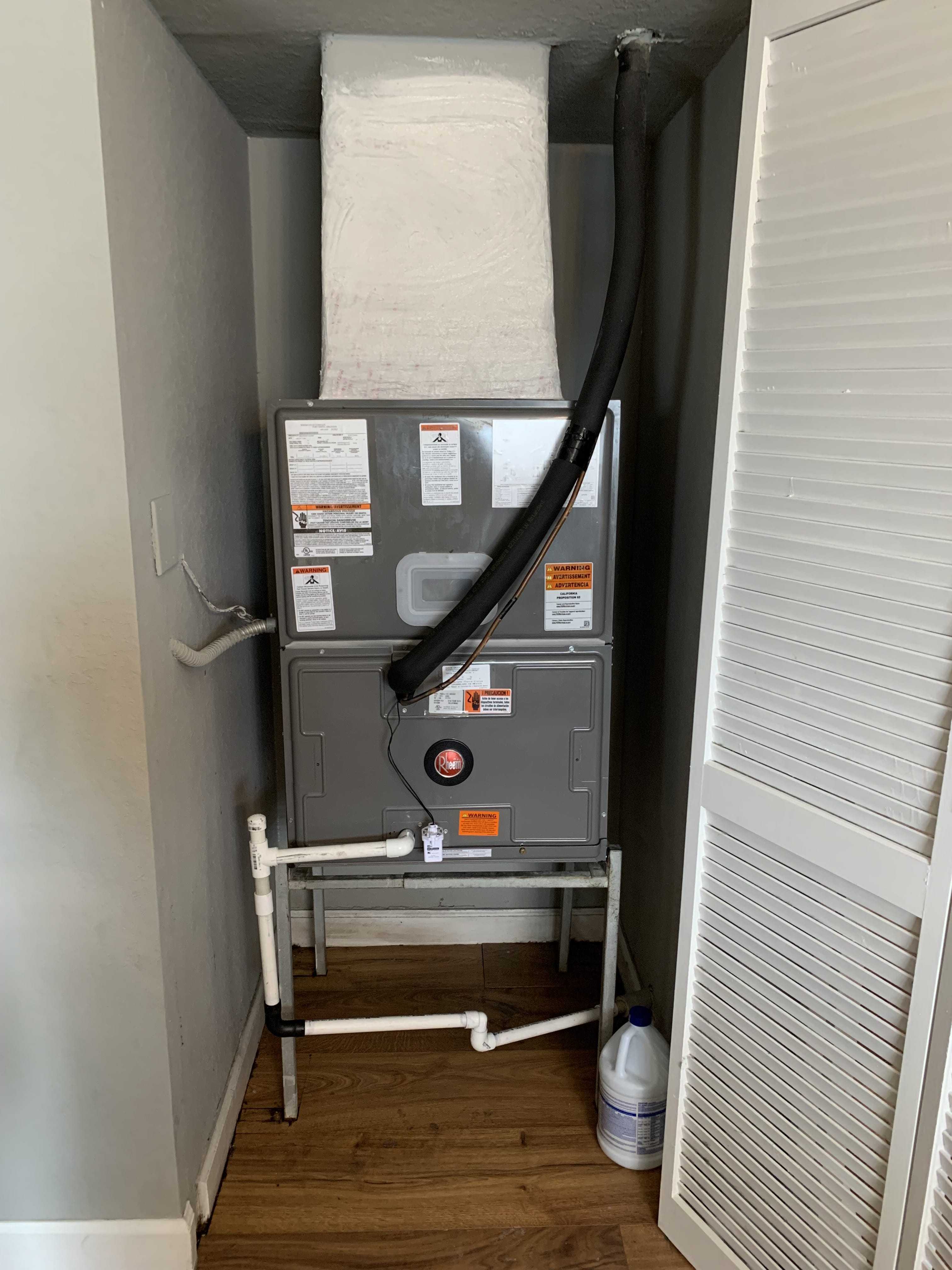
HVAC Replacement in La Habra Heights, CA
Replacing an aging or failing heating, ventilation, and air conditioning system is one of the most effective ways to improve year-round comfort and lower energy bills in La Habra Heights, CA. With hot, dry summers, strong attic heat gain, and occasional cooler winter nights plus the added concern of wildfire smoke, selecting the right system and completing a professional HVAC replacement can deliver better temperature control, improved indoor air quality, and greater reliability for homes in this community.
Why replace your HVAC now
Many La Habra Heights homes face specific stressors:
- High cooling loads in summer from elevated attic and roof temperatures.
- Local canyon winds and dust that increase filter and equipment wear.
- Wildfire smoke events that highlight the need for better filtration and sealed ductwork.
- Older systems that no longer meet modern efficiency and refrigerant standards.
If your system is noisy, cycles constantly, delivers uneven temperatures, or struggles to keep up on hot days, a full HVAC replacement tailored for La Habra Heights conditions is usually the best long-term solution.
Common HVAC replacement scenarios in La Habra Heights
- Complete system replacement for units 10 years or older or those using phased-out refrigerants.
- Converting from conventional forced-air to high-efficiency split or ductless mini-split systems.
- Full equipment upgrade plus ductwork replacement to improve airflow and reduce leakage.
- Changeouts necessitated by compressor or heat exchanger failure where repair is uneconomical.
- Indoor air quality upgrades such as enhanced filtration and UV or electronic air cleaning installations.
On-site evaluation and load calculations
A proper replacement begins with an on-site evaluation focused on your home and local conditions:
- Visual inspection of equipment, ductwork, insulation, and attic/roof orientation.
- Manual J load calculation to size new equipment correctly based on square footage, insulation, orientation, window types, and local climate factors.
- Duct leakage and static pressure testing to identify airflow problems.
- Indoor air quality review, including past smoke exposure and filtration needs.
Correct sizing and diagnostics reduce short cycling, uneven temperatures, and premature equipment wear.
Recommended energy-efficient system options
Options typically considered for La Habra Heights homes:
- High-efficiency central split systems with variable-speed compressors for consistent cooling and quiet operation.
- Ductless mini-split systems to add zoned cooling/heating to additions, rooms without ducts, or whole-house replacements where ductwork is minimal or impractical.
- Hybrid heat pump systems that provide efficient heating and cooling while reducing reliance on fossil fuels.
- Upgraded air handlers and ECM blowers to improve airflow and lower electrical use.
System selection weighs efficiency ratings, load calculation outcomes, indoor air quality upgrades, and the home's ductwork condition.
Removal and disposal of old equipment
A professional replacement includes safe, code-compliant removal and disposal:
- Recovery and proper handling of refrigerant per EPA requirements.
- Safe disconnect and removal of outdoor condensers, indoor air handlers, furnaces, and related components.
- Responsible disposal or recycling of metal and electronic components.
- Site protection to minimize dust and debris inside the home during removal.
Documenting refrigerant recovery and disposal helps meet regulatory requirements and homeowner records.
Detailed installation process
Typical installation steps for a full HVAC replacement:
- Finalize equipment selection based on Manual J results and homeowner preferences.
- Secure required permits from local building department and schedule inspections as required by county or city code.
- Prepare site: pad placement, crude wiring, refrigerant line routing, and duct access.
- Install outdoor unit and indoor air handler or ductless heads.
- Assess ductwork; perform repairs or replacement of damaged, undersized, or leaky ducts.
- Connect controls, thermostats, and safety controls; ensure proper electrical service and disconnects.
- Evacuate and charge refrigeration lines, then verify correct refrigerant charge.
- Commission system: adjust airflow, balance zones, and program controls for optimal performance.
Permits and inspections are a key part of the process to ensure code compliance and system safety.
Post-installation testing and performance verification
After installation, thorough testing confirms system performance:
- Airflow measurement and balancing for consistent room-by-room comfort.
- Refrigerant charge verification and superheat/subcooling checks.
- Electrical draw and amp testing for compressor and blower motors.
- Thermostat calibration and verification of staged or variable-speed operation.
- Indoor air quality checks if filtration or purification equipment was installed.
This verification ensures you receive the performance and efficiency expected from new equipment.
Warranty, maintenance plans, and longevity
New HVAC systems typically include manufacturer warranties on major components and optional extended coverage. Recommended maintenance plans for La Habra Heights homes include:
- Twice-yearly inspections and tune-ups to maintain efficiency and detect issues early.
- Filter monitoring and high-efficiency filter replacements during high-smoke seasons.
- Duct inspections and sealing every few years to limit energy loss and maintain indoor air quality.
Regular maintenance preserves warranties and maximizes system lifespan.
Financing and local rebate options
Homeowners replacing HVAC equipment can explore multiple financial resources:
- Local utility and municipal rebates for high-efficiency systems and heat pumps.
- State and federal incentive programs for energy-efficient upgrades and electrification.
- Manufacturer or third-party financing options for spreading replacement costs over time.
Checking available local and state programs can offset upgrade costs and make high-efficiency choices more accessible.
Expected timelines
Typical HVAC replacements range from a single-day swap for straightforward like-for-like units to several days for systems requiring ductwork repairs or significant modifications. Complex projects that require permits and inspections may extend scheduling by several days to accommodate approvals.
Benefits of upgraded equipment for La Habra Heights homes
Upgrading your HVAC delivers measurable benefits:
- More consistent comfort during hot summer peaks and cooler winter nights.
- Lower energy use and improved efficiency with modern compressors and controls.
- Better indoor air quality and filtration important during wildfire smoke events.
- Quieter operation and improved humidity control.
- Reduced repair frequency and improved reliability.
Maintenance tips to protect your investment
- Replace filters regularly and use higher-efficiency filters during smoke events.
- Keep outdoor units clear of debris and vegetation.
- Schedule professional tune-ups every spring and fall.
- Monitor thermostat settings and consider programmable or smart thermostats to optimize operation.
Q: How is the right system size determined for my La Habra Heights home?
A: A certified load calculation (Manual J) performed during the on-site evaluation determines correct sizing based on square footage, insulation, window types, orientation, and local climate impacts.
Q: Should I choose ductless mini-splits or a traditional central system?
A: Ductless systems are efficient for zoned needs or homes without ducts; central systems are better for whole-house solutions when existing ductwork is in good condition. The decision follows load calculations and ductwork assessment.
Q: What permits are needed for HVAC replacement in La Habra Heights?
A: Permitting requirements vary by jurisdiction; typical projects require mechanical and electrical permits and inspections through the local building or county department to ensure code compliance.
Q: How long after installation will my new system be tested and balanced?
A: Performance testing and balancing are completed during commissioning immediately after installation. Final sign-off and any required inspections are scheduled depending on local permit processes.
Q: Are there options to help finance an HVAC replacement?
A: Yes. Many homeowners access manufacturer financing, third-party loans, and local or state rebate programs for high-efficiency equipment. Checking current incentive programs can identify available assistance.
Customer
Testimonials
Our customers consistently praise the exceptional service and professionalism of our team. They appreciate the honest advice, meticulous work, and the care taken to ensure their satisfaction.

.webp)
Service Areas
