

HVAC Replacement in La Crescenta-Montrose, CA

Replacing an HVAC system is one of the most impactful upgrades for comfort, indoor air quality, and energy savings in La Crescenta-Montrose homes and businesses. With warm, dry summers, cool winter nights, and periodic poor air quality from wildfire smoke, property owners here need systems that deliver efficient cooling, reliable heating, and superior filtration. This page explains when a full HVAC replacement is warranted, how professionals diagnose needs, the most energy-efficient options for local conditions, sizing and brand guidance, a clear step-by-step replacement process, warranty and incentive considerations, expected timelines, and maintenance tips to maximize lifespan and performance.
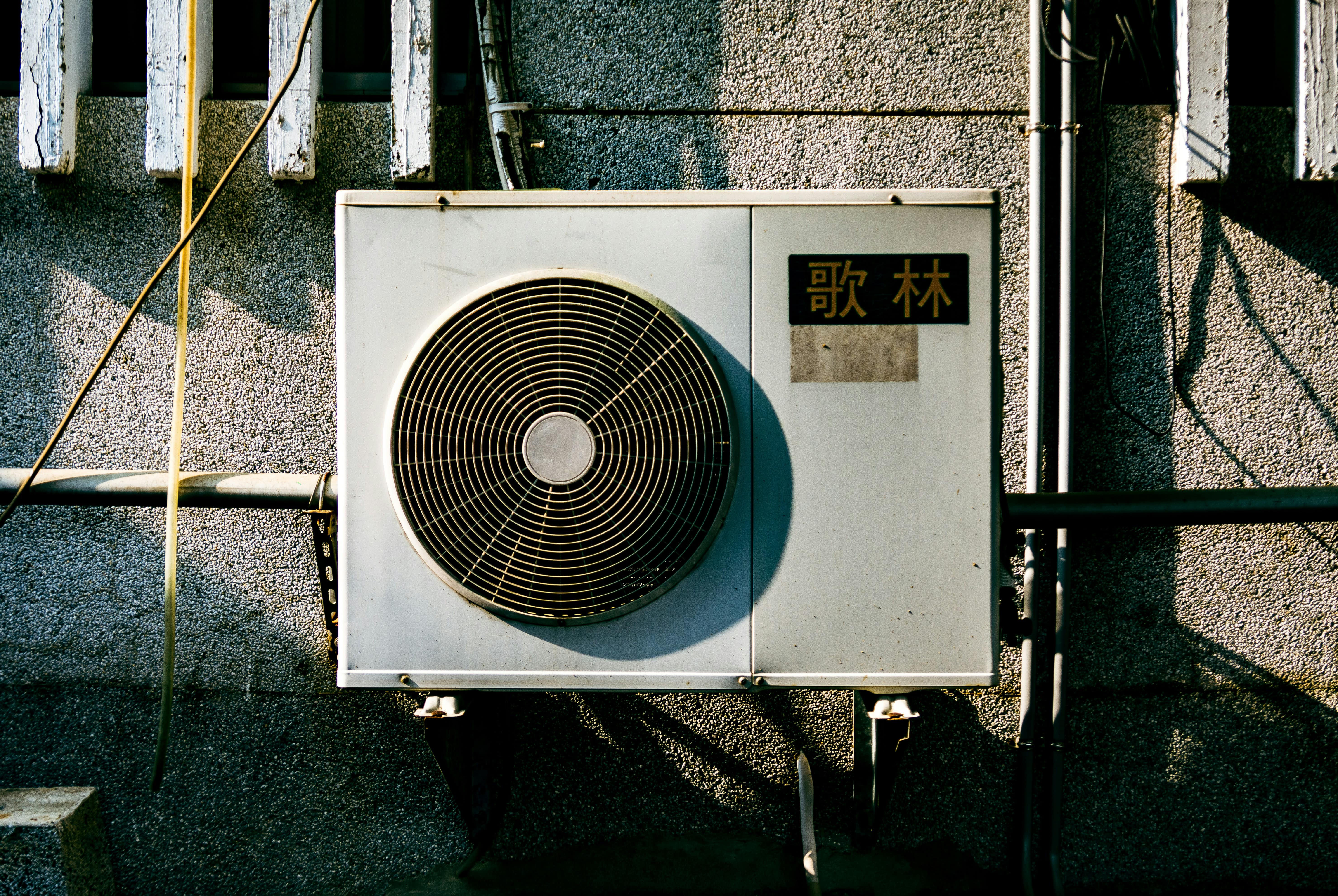
HVAC Replacement in La Crescenta-Montrose, CA
Replacing an HVAC system is one of the most impactful upgrades for comfort, indoor air quality, and energy savings in La Crescenta-Montrose homes and businesses. With warm, dry summers, cool winter nights, and periodic poor air quality from wildfire smoke, property owners here need systems that deliver efficient cooling, reliable heating, and superior filtration. This page explains when a full HVAC replacement is warranted, how professionals diagnose needs, the most energy-efficient options for local conditions, sizing and brand guidance, a clear step-by-step replacement process, warranty and incentive considerations, expected timelines, and maintenance tips to maximize lifespan and performance.
When to consider HVAC replacement
Common signs that replacement—not repair—is the right choice:
- System age: equipment nearing or past typical service life and requiring frequent repairs.
- Rising energy bills despite similar use patterns.
- Inconsistent temperatures, short-cycling, or poor humidity control.
- Use of phased-out refrigerants (R-22) that are costly to service.
- Persistent indoor air quality problems or inability to maintain comfort in rooms.
- Major component failure (compressor or coil) where repair cost approaches replacement value.
- Repeated breakdowns during critical outdoor temperature extremes.
In La Crescenta-Montrose, exposure to wildfire smoke makes filtration capability a higher priority. Older ductwork and leaky air paths common in hillside and older homes also reduce system effectiveness, strengthening the case for a replacement that includes duct improvements.
Inspection and load-calculation process
A professional replacement begins with a thorough inspection and calculations to match equipment to the building:
- Site assessment: roof/condensing unit placement, attic insulation, duct layout, electrical service capacity, thermostat type, and indoor air quality needs.
- Manual J load calculation: determines exact heating and cooling loads based on square footage, orientation, insulation, window types, occupancy, and local climate conditions.
- Manual D duct design review: evaluates duct size, layout, and leakage to ensure proper airflow.
- Manual S equipment selection: selects equipment based on the load and installation constraints.
Technicians will also inspect for asbestos/lead issues in older homes, check for proper clearances, and verify that electrical panels and breakers meet code for new equipment.
Energy-efficient options for La Crescenta-Montrose
Compare the most common modern systems and how they perform in this region:
- Central split systems (high-efficiency air conditioner + gas furnace or heat pump): Good for homes with existing ductwork. High-SEER variable-speed systems provide precise comfort and energy savings during hot summer months.
- Ductless mini-splits (Mitsubishi and other brands): Ideal for homes with no ducts, room additions, or zoned comfort needs. They offer high efficiency, minimal disruption during installation, and multi-zone control—useful for cooling only occupied spaces during moderate seasons.
- Heat pumps (air-source and cold-climate models): Efficient for both cooling and heating in Southern California’s mild winters. Modern heat pumps can outperform older gas furnaces in efficiency and provide clean, all-electric operation that pairs well with rooftop solar.
- Hybrid systems: Combine a heat pump with a gas furnace to optimize efficiency across seasons.
- Advanced controls and IAQ upgrades: Variable-speed blowers, smart thermostats, MERV 13+ filtration, and whole-home ventilation with filtration help manage wildfire smoke and allergens.
Selection should weigh efficiency ratings (SEER/HSPF), noise, humidity control, and local serviceability. For many La Crescenta-Montrose properties, a high-efficiency heat pump or a ductless multi-zone solution is a practical, efficient choice.
Unit sizing and brand selection
Proper sizing is critical:
- Oversized equipment short-cycles, reduces dehumidification, and shortens lifespan.
- Undersized units cannot meet peak loads and run continuously, increasing wear.
- Rely on a Manual J calculation rather than rules of thumb.
Brand selection factors:
- Reliability and parts availability in the Los Angeles county area.
- Manufacturer warranty terms and what they cover (compressor, parts, labor).
- Local dealer experience with the brand and familiarity with La Crescenta-Montrose housing styles.
- Efficiency, noise levels, and compatibility with smart controls or existing ductwork.
Mentioned brands like Mitsubishi are leaders in ductless systems; for central systems, choose manufacturers with strong local service networks.
Step-by-step replacement process
A professional replacement typically follows these phases:
- Pre-install inspection and permits: Confirm load calculations, required permits, and any electrical or structural upgrades.
- Old system removal: Safe decommissioning and extraction of refrigerant, dismantling of the outdoor unit and indoor components.
- Site preparation: Any duct repairs, new pad installation, electrical circuit upgrades, and line set routing.
- Installation: Mounting indoor and outdoor units, connecting refrigerant lines, duct connections, condensate piping, and thermostat wiring.
- Refrigerant charging and balancing: Proper refrigerant charge, airflow adjustments, and system balancing per manufacturer specs.
- Testing and commissioning: System performance verification, thermostat programming, airflow and static pressure checks, and demonstration of system operation.
- Documentation: Provide equipment specs, warranty registrations, and maintenance recommendations.
Depending on the scope, a like-for-like swap can be completed in one to two days. Replacements involving duct redesign, attic work, or multiple zones can extend to several days or up to a week.
Warranties, financing, and rebate options
- Warranties: Typical manufacturer coverage includes parts and compressor warranties; labor warranties may be separate. Register equipment promptly and retain installation records to protect warranties.
- Financing: Many property owners use financing to spread the installation cost over time. Contractors and financial providers often offer multiple terms—review interest rates, terms, and any prepayment conditions.
- Rebates and incentives: Utility, state, and federal incentives often apply for high-efficiency equipment and qualifying heat pumps. Programs change regularly, so review current incentives when planning replacement. Proper documentation and professional installation by certified contractors are commonly required to claim rebates or tax credits.
Post-installation maintenance and tips to maximize longevity
Regular maintenance preserves efficiency and extends service life:
- Replace or clean filters regularly; consider upgraded high-efficiency filters during wildfire season.
- Schedule professional tune-ups annually for heat pumps and split systems—inspect coils, refrigerant levels, electrical connections, and airflow.
- Seal and insulate ducts and add attic insulation where feasible to reduce load.
- Keep outdoor units clear of debris and maintain proper clearance from vegetation.
- Use programmable or smart thermostats and establish sensible setpoints to reduce runtime and stress.
- Track performance and service records to identify trends before failures occur.
Benefits recap
A properly planned HVAC replacement improves year-round comfort, reduces energy use, enhances indoor air quality—especially important in wildfire-impacted air—and lowers long-term operating and repair costs. For La Crescenta-Montrose properties, choosing the right combination of equipment, filtration, and ductwork improvements tailored to local climate and building characteristics delivers the best outcome.
FAQs
Q: How long does a typical HVAC replacement take?
A: A straightforward, like-for-like replacement is often completed in one to two days. Projects that include ductwork modifications, multiple zones, or structural work can take several days to a week.
Q: Will a new system lower my energy bills immediately?
A: A properly sized, high-efficiency system combined with sealed ducts and appropriate controls usually reduces energy use. Actual savings depend on system efficiency, home insulation, thermostat settings, and occupant behavior.
Q: Should I replace ducts when I replace the HVAC unit?
A: If ducts are leaky, undersized, poorly insulated, or located in unconditioned spaces, repairing or replacing ductwork significantly improves performance and comfort. A duct assessment is part of the pre-install inspection.
Q: Are heat pumps a good choice for La Crescenta-Montrose?
A: Yes. Modern heat pumps perform well in Southern California’s mild winters and provide efficient cooling in summer. They are especially attractive where electrification or pairing with solar is desired.
Q: How do I know the unit is sized correctly?
A: Proper sizing is determined with a Manual J load calculation and verified during commissioning. Avoid relying on tonnage estimates based on square footage alone.
Q: What warranty protections should I look for?
A: Verify manufacturer parts and compressor warranties and clarify what labor coverage your installer provides. Ensure the system is registered per manufacturer instructions to maintain full warranty eligibility.
Customer
Testimonials
Our customers consistently praise the exceptional service and professionalism of our team. They appreciate the honest advice, meticulous work, and the care taken to ensure their satisfaction.

.webp)
Service Areas
