

Heating Tune-up in Torrance, CA

Plum HVAC offers a professional heating tune-up service in Torrance, CA, detailing why our local climate makes regular maintenance absolutely essential. We cover common issues like dirty filters, corrosion, and thermostat drift, and explain the comprehensive tasks included in our standard tune-up: thorough inspection, meticulous cleaning, precise calibration, essential safety checks, and proper lubrication. You'll learn about our diagnostic approach, expected appointment duration, clear benefits like improved reliability and efficiency, recommended yearly timing, and exactly what to expect during service and from our maintenance plans, all tailored for coastal homes.
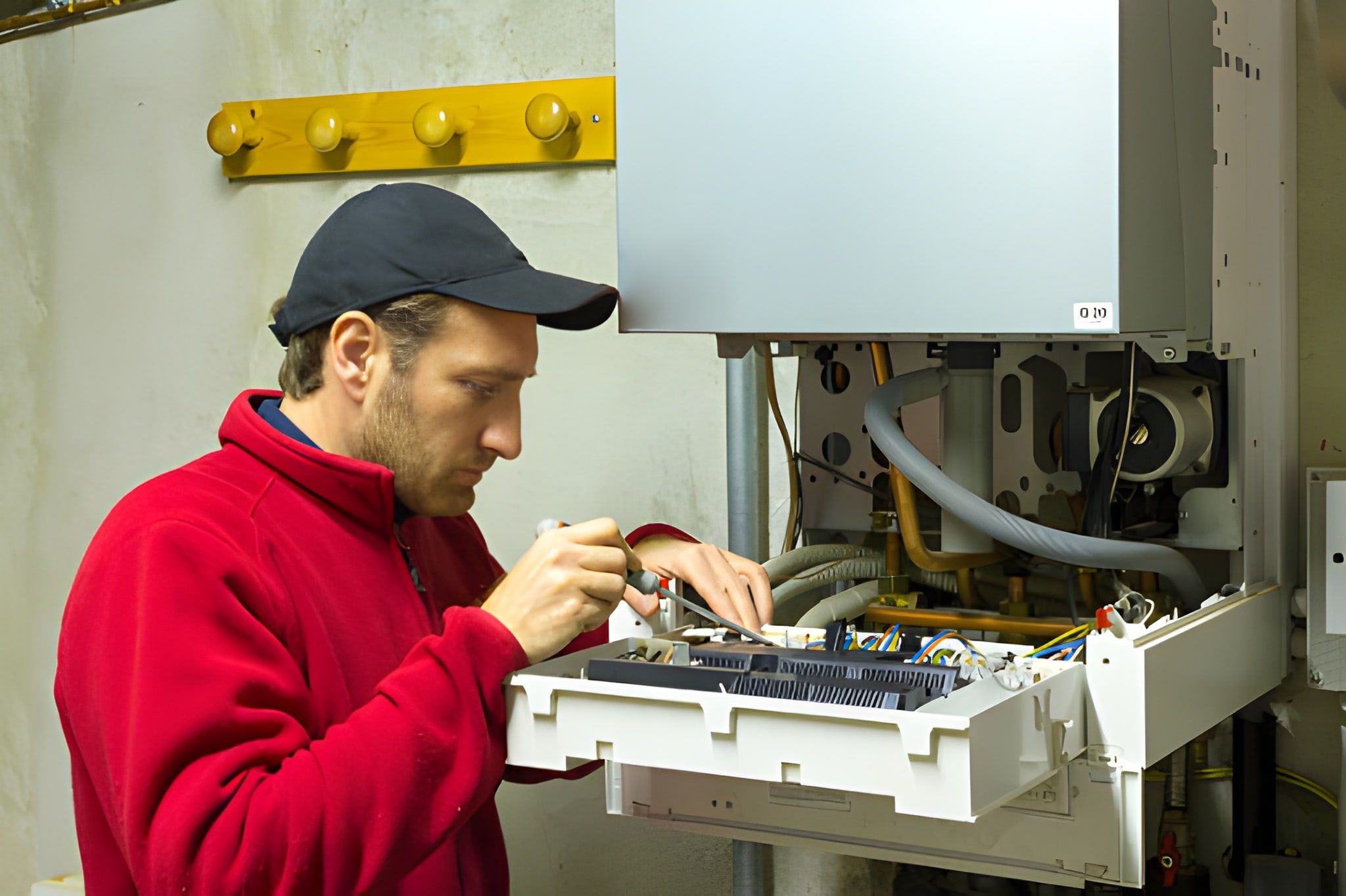
Heating Tune-up in Torrance, CA
A seasonal heating tune-up in Torrance, CA keeps your home comfortable, safe, and energy-efficient through the cooler months. Even though winters here are mild compared with inland Southern California, marine air, salt spray, and variable temperatures place unique demands on heating systems. A professional tune-up addresses common wear points before they cause breakdowns, restores operating efficiency, and ensures safety for gas- and electric-powered systems in Torrance homes.
Why a heating tune-up matters in Torrance, CA
Torrance’s coastal climate means heating systems often sit idle for long stretches and then run more frequently during cool nights and winter storms. Salt-laden air can accelerate corrosion on outdoor components, while occasional temperature swings increase cycling and stress on controls. A tune-up tailored to local conditions reduces the chance of unexpected failures, prevents corrosion-related problems, and helps systems run as efficiently as possible given Torrance’s humidity and marine exposure.
Common heating issues in Torrance homes
- Dirty or clogged air filters reducing airflow and indoor comfort.
- Corroded outdoor components or flue connections from coastal salt.
- Thermostat drift or calibration errors causing uneven temperatures.
- Ignition and burner problems on gas furnaces leading to unreliable starts.
- Worn blower motors, belts, or bearings producing noise and reduced airflow.
- Duct leaks or insulation losses that lower system efficiency in older homes.
What a standard heating tune-up includes
A thorough heating tune-up covers inspection, cleaning, calibration, and basic adjustments. Typical checklist items include:
- Filter inspection and replacement: Verify filter type and condition; replace or recommend a schedule that matches household needs. Clean filters improve airflow and indoor air quality.
- Burner and ignition checks: For gas systems, inspect burners, pilot or electronic ignition, and flame patterns to ensure safe, reliable combustion.
- Thermostat calibration: Confirm the thermostat reads accurately and communicates correctly with the system; adjust settings for zone control if present.
- Safety inspections: Check gas lines, pressure, venting and flue pathways for leaks or blockages; test carbon monoxide detectors and safety switches.
- Cleaning and lubrication: Remove dust and debris from heat exchanger areas, blower assembly, and moving parts; lubricate bearings and motors where specified by the manufacturer.
- Electrical and control checks: Tighten electrical connections, inspect relays and capacitors, and verify safe operation of limit switches and controls.
- Airflow and duct assessment: Measure airflow where possible and inspect accessible ducts for obvious leaks, disconnections, or insulation gaps.
- Combustion and efficiency testing: When applicable, measure combustion quality and flue temperatures to confirm safe, efficient operation.
Each task is performed to identify immediate safety concerns, improve performance, and provide a prioritized list of recommended repairs.
Diagnostic process explained simply
Technicians start with system history and documented symptoms, then run a full visual and operational inspection. They listen for unusual sounds, check airflow and temperatures, test ignition cycles, and examine exhaust and combustion safety. For gas systems they look for proper flame color and stable operation; for heat pumps they verify refrigerant charge and proper defrost cycling. Any identified issues are explained in plain terms with options for repair, replacement, or monitoring.
Expected benefits of a tune-up
- Improved reliability: Fewer unexpected breakdowns during cool periods and fewer emergency repairs.
- Higher efficiency: Restoring correct burner performance, airflow, and controls reduces wasted energy and helps lower operating costs.
- Longer equipment life: Regular maintenance reduces wear on motors, bearings, and electrical components.
- Better indoor comfort: More consistent temperatures and improved airflow reduce cold spots.
- Enhanced safety: Early detection of gas leaks, blocked vents, or carbon monoxide risks protects your household.
Recommended frequency and timing in Torrance
- Annual tune-up: At minimum, schedule a comprehensive heating tune-up once a year, ideally in early fall before the primary heating season.
- Heat pumps: Because heat pumps handle both heating and cooling, consider a spring check for cooling readiness and a fall check for heating performance.
- Older systems or heavy coastal exposure: Systems older than 10 years or equipment exposed to salty air may benefit from twice-yearly inspections to catch corrosion and wear earlier.
- High-use or problematic systems: If you rely heavily on supplemental or space heating, or if the system has a history of issues, increase inspection frequency per technician recommendations.
What to expect during your appointment
A typical tune-up appointment lasts 45 to 90 minutes depending on system type and condition. The technician will:
- Inspect and test system components and safety devices.
- Replace or clean filters as appropriate.
- Clean burners, blower compartments, and accessible coils.
- Make minor adjustments and lubricate moving parts.
- Document findings and provide a clear, non-technical summary of any recommended repairs or monitoring needs.
Technicians generally leave a record of services performed and any observed deficiencies so you can see what was done and why.
Membership and maintenance plans (what they provide)
Regular maintenance plans are designed to simplify seasonal care without discussing specific costs. Typical plan features include scheduled tune-ups, priority appointment windows during peak seasons, discounted rates on diagnostic fees or repairs, and extended tracking of system performance. For Torrance homeowners, a plan can be especially helpful for scheduling consistent pre-winter service and addressing coastal corrosion risks proactively.
Quick tips to extend system life between tune-ups
- Replace or clean filters every 1 to 3 months depending on household needs.
- Keep outdoor units free of debris, plants, and salt buildup; rinse gently as recommended by the manufacturer.
- Program thermostats for balanced heating schedules to avoid excessive cycling.
- Monitor unusual noises, odors, or frequent cycling and schedule an inspection if problems appear.
- Ensure vents and registers remain unobstructed for proper airflow.
Customer
Testimonials
Our customers consistently praise the exceptional service and professionalism of our team. They appreciate the honest advice, meticulous work, and the care taken to ensure their satisfaction.

.webp)
Service Areas
