

Heating Tune-up in Somis, CA

Somis heating tune-ups from Plum HVAC offer essential preventative maintenance to improve safety, efficiency, and comfort for your residential systems. Our service includes comprehensive inspections of filters, burners, ignition, safety controls, airflow, thermostats, electrical connections, ductwork, venting, and crucial carbon monoxide safety. Our technicians meticulously measure performance, identify developing faults, and perform any necessary cleaning or calibration. Regular annual tune-ups with Plum HVAC truly help prevent breakdowns, extend equipment life, reduce energy use, and maintain reliable heat during colder periods in Somis homes. We'll explain what to expect during service and how to prepare.
Heating Tune-up in Somis, CA
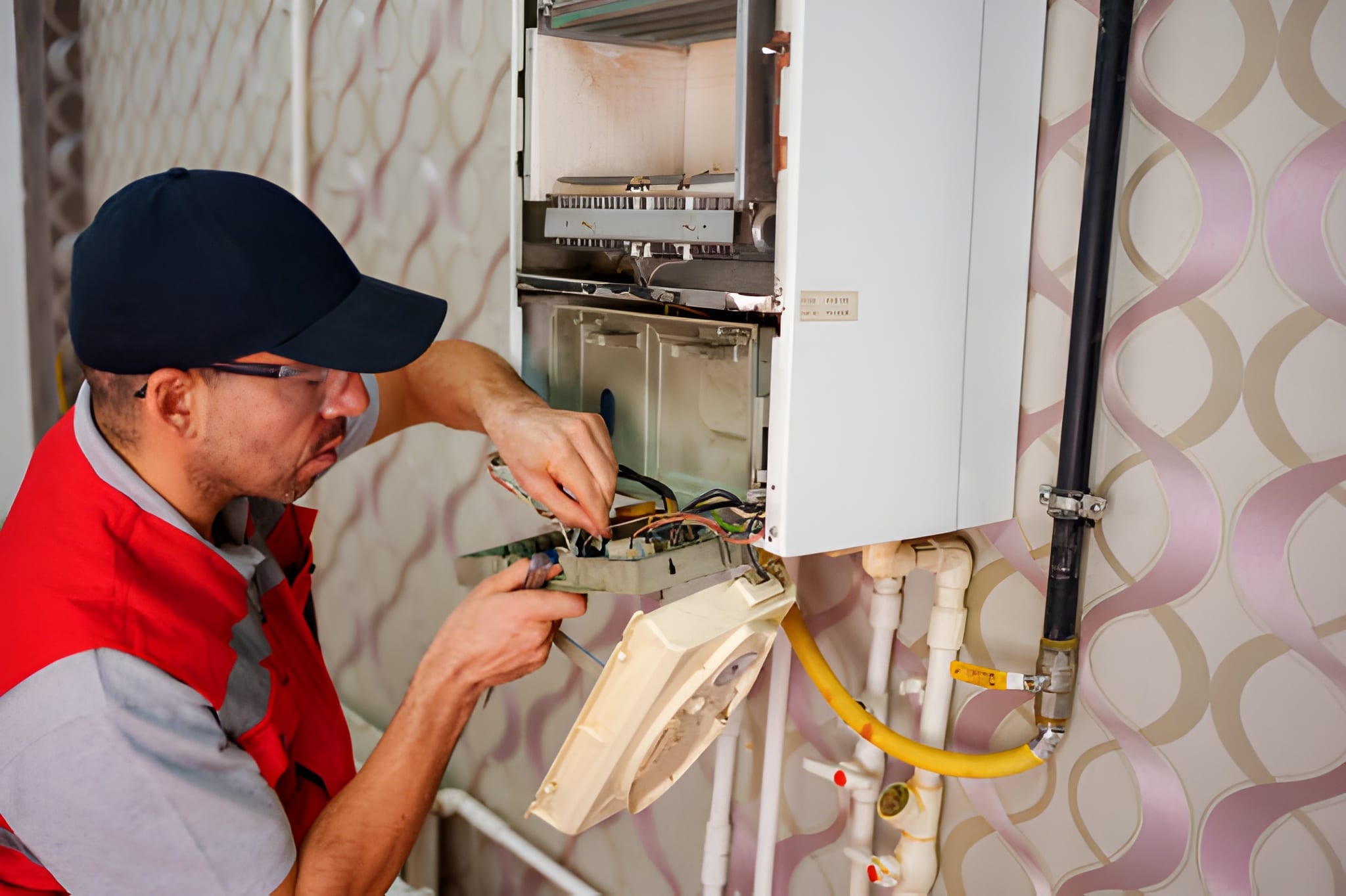
A seasonal heating tune-up keeps your home comfortable, safe, and energy efficient when cooler weather arrives in Somis, CA. Even though winters here are generally mild, agricultural dust, spring and fall pollen, and occasional chilly nights can expose weaknesses in heating systems. A professional tune-up addresses those weaknesses before they become inconvenient or costly breakdowns, ensuring reliable performance through the heating season.
Common heating problems in Somis homes
- Reduced airflow and weak heat delivery caused by clogged filters or dusty ductwork from nearby fields.
- Hard-starting or intermittent ignition in gas furnaces that haven’t been serviced since last winter.
- Short-cycling and excessive runtime from thermostat miscalibration or restricted airflow.
- Noisy blowers or motors that need lubrication or replacement bearings after years of use.
- Safety control faults and combustion issues that risk carbon monoxide exposure or incomplete combustion.
- Heat pump performance loss in dual-system homes where the unit is used for both heating and cooling.
What a full heating tune-up includes
A thorough heating tune-up follows a consistent checklist to restore efficiency and uncover developing faults. Typical inspection and service items include:
- Filter inspection and replacement
Replace or recommend the correct MERV-rated filter. Clean filters improve airflow, reduce dust in ductwork, and protect the blower motor. - Burner and combustion inspection (gas systems)
Clean burners, check flame pattern and color, and perform a combustion check to ensure efficient, safe operation. - Ignition system check
Test electronic ignitors, pilot assemblies, and spark electrodes to prevent hard starts and repeated lockouts. - Safety controls testing
Verify limit switches, pressure switches, flame sensors, and any carbon monoxide safeguards function correctly. - Airflow and blower assembly service
Inspect and clean the blower wheel, motor, belts, and housing. Measure airflow and static pressure where applicable to identify restrictions. - Thermostat calibration and diagnostics
Check thermostat accuracy, batteries, wiring, and settings to eliminate temperature swings and short-cycling. - Electrical connections and controls
Tighten terminals, inspect capacitors and contactors, and verify control board diagnostics to prevent electrical faults. - Ductwork and vent inspection
Visual check for leaks, disconnected ducts, or blockages—especially common in older Somis properties near farmland where rodents or dust can affect vents. - Flue, venting, and condensate checks
Inspect flue/chimney for blockages or corrosion and ensure condensate drains are clear on high-efficiency furnaces and heat pumps. - Carbon monoxide test and safety verification
For gas systems, confirm safe combustion and run a CO check at the appliance and in living spaces when indicated.
Each item is performed with an eye toward preventing failures that commonly occur in the local climate and housing stock.
Diagnostic process and what to expect
A complete tune-up starts with a visual inspection followed by system startup and operational checks. Technicians will measure system parameters (temperature rise, airflow, voltages) and compare them to manufacturer specifications. If cleaning is needed, burners and blower components are serviced. Safety devices are actuated to verify proper responses.
Typical tune-up duration:
- Standard residential gas furnace or heat pump: about 60 to 90 minutes.
- Older systems, complex zoning, rooftop units, or units requiring extensive cleaning may require up to 2 hours.
Technicians document findings and recommend repairs only when necessary, prioritizing safety and efficiency.
How tune-ups prevent breakdowns and save money
- Improved airflow reduces stress on fans and furnaces, lowering the chance of motor burnout and extending equipment life.
- Clean burners and correct combustion reduce the risk of soot buildup and heat exchanger damage, preventing expensive repairs.
- Calibrated thermostats and tight controls reduce short-cycling, which is a leading cause of premature component failure.
- Early detection of worn parts (belts, bearings, electrical components) allows planned replacement rather than emergency service during a cold night.
- Safety checks identify carbon monoxide risks and venting problems before they threaten occupants.
Although Somis winters are not extreme, even brief cold spells reveal problems—preventative tune-ups are the best way to avoid emergency service calls.
Recommended frequency and timing
- Annual tune-up before the heating season: schedule service in late summer or early fall to ensure the system is ready when temperatures drop.
- Dual-season equipment (heat pumps used for both heating and cooling) benefit from an annual inspection that covers both heating and cooling components.
- Homes with high dust, pets, or older systems may require more frequent filter changes and inspections—consider a mid-season check if the system runs heavily.
Signs you need a tune-up now
- Rising energy bills without a change in use.
- Uneven heating or cold spots in the home.
- Strange odors (burning, metallic, or fuel smells) when the system runs.
- Unusual noises: rattling, screeching, or loud banging.
- Pilot light that is yellow or flickering in gas appliances.
- Thermostat unresponsive or frequent system lockouts.
Local considerations for Somis, CA homeowners
Somis properties can experience extra dust and pollen from surrounding agricultural land and open spaces. That increases filter loading and duct contamination, making timely filter replacement and duct inspection especially important. Rural or semi-rural homes may also have more exposure to pests affecting venting and outdoor units. Given the occasional cold snaps, homeowners should prioritize pre-season tune-ups to ensure reliability during the few colder days that require dependable heating.
Simple maintenance tips between tune-ups
- Change or check filters every 1 to 3 months depending on filter type and local dust levels.
- Keep vents and returns free of furniture and clutter to maintain airflow.
- Keep the outdoor unit area clear of vegetation, debris, and stored items.
- Replace thermostat batteries annually and verify programmed schedules seasonally.
Customer
Testimonials
Our customers consistently praise the exceptional service and professionalism of our team. They appreciate the honest advice, meticulous work, and the care taken to ensure their satisfaction.

.webp)
Service Areas
