

Heating Tune-up in Sierra Madre, CA

Plum HVAC offers a thorough heating tune-up in Sierra Madre, CA, detailing why preventive maintenance truly matters for your furnaces and heat pumps. We cover common issues, provide a standard seasonal checklist, and explain the expected duration, always emphasizing safety, energy efficiency, and system longevity. You'll learn about our diagnostic steps, recommended repairs, and maintenance plans tailored to local conditions, complete with practical home maintenance tips. The result is improved reliability, significantly reduced emergency calls, and consistent warmth throughout cooler months for greater comfort and peace of mind with Plum HVAC.
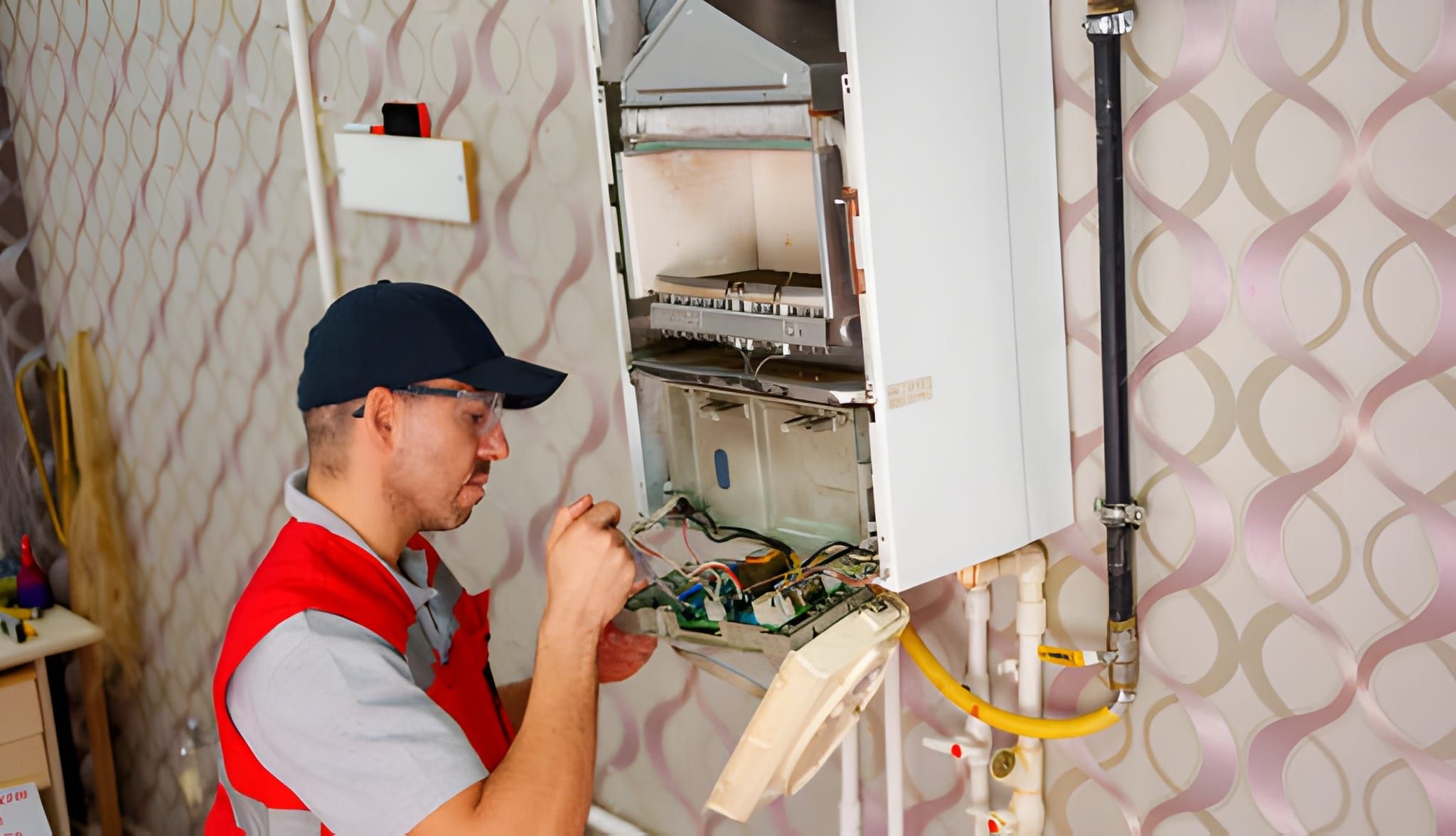
Heating Tune-up in Sierra Madre, CA
A seasonal heating tune-up in Sierra Madre, CA keeps your furnace or heat pump running safely, efficiently, and reliably through the cooler months. In the foothills of the San Gabriel Mountains, Sierra Madre homes face cooler winter nights, wildfire smoke and seasonal dust, and older, mixed-construction housing—factors that make preventive heating maintenance especially important. A professional tune-up addresses common issues, restores peak efficiency, reduces safety risks, and helps extend equipment life.
Why a heating tune-up matters in Sierra Madre
- Sierra Madre’s cooler winter evenings increase run time, so efficiency matters for comfort and cost control.
- Wildfire smoke, pollen and Santa Ana-driven dust increase filter loading and indoor air contaminants, reducing airflow and stressing systems.
- Many homes in the area are older or have mixed ductwork and vent runs; tune-ups identify leaks and restriction points before they become failures.
- Timely maintenance helps preserve manufacturer warranties and lowers the chance of emergency repairs during cold snaps.
Common heating tune-up issues in Sierra Madre homes
- Restricted airflow from clogged filters or dusty ducts, causing reduced heat delivery and higher energy use.
- Dirty burners and ignition problems that cause unstable combustion, soot buildup or inefficient fuel use.
- Malfunctioning thermostats or poor calibration resulting in temperature swings and short cycling.
- Worn belts, bearings or motors increasing noise and mechanical wear in older furnaces or air handlers.
- Safety control failures (flame rollout switches, limit switches) and potential carbon monoxide risks on gas systems.
- Venting or chimney obstructions from debris or animal nests reducing proper flue flow.
Standard seasonal heating tune-up checklist
A complete heating tune-up in Sierra Madre, CA typically follows a structured checklist that ensures safety, efficiency and reliability. Common items include:
- Filter checks and replacement recommendations
- Inspect filter type and condition, replace or recommend proper MERV level for home needs.
- Explain impact of wildfire smoke and pollen on filter life and indoor air quality.
- Burner assembly and ignition inspection
- Clean burners, inspect flame pattern and ignition sequence for stable combustion.
- Remove soot or debris that can reduce efficiency or cause misfires.
- Thermostat calibration and control verification
- Verify thermostat accuracy, correct setpoint calibration and proper communication with the furnace or heat pump.
- Check programmable or smart thermostat schedules for optimized energy use.
- Safety control and combustion tests
- Test high-limit switches, flame sensors, pressure switches and draft controls.
- Perform basic combustion analysis where applicable to check carbon monoxide levels and combustion efficiency.
- Electrical and wiring checks
- Inspect and tighten electrical connections, measure voltage and amperage on motors and controls.
- Look for signs of arcing, overheating or degraded wiring insulation.
- Lubrication and moving parts
- Lubricate motors, blower bearings and other accessible moving parts where manufacturer allows.
- Inspect belts and pulleys; note wear that will require replacement.
- Heat exchanger and venting inspection
- Visual inspection for cracks or corrosion; check flue and venting for secure connections and blockages.
- Examine chimney or vent terminations for debris or animal intrusion.
- Blower and airflow assessment
- Clean blower assembly as needed, measure static pressure and airflow where possible.
- Identify duct leaks or restriction points and recommend corrective actions.
- System performance and efficiency check
- Confirm proper cycling, measure operating temperatures and document operational baselines for future comparisons.
- Provide notes on warranty compliance items if applicable.
- Final safety and homeowner review
- Explain findings in straightforward terms, note any recommended repairs or parts replacements, and provide maintenance tips relevant to local conditions.
What the diagnostic/process looks like
A professional heating tune-up in Sierra Madre, CA typically begins with a visual inspection, followed by system start-up and step-by-step testing. Typical flow:
- Pre-start safety checks and filter inspection.
- Start system, observe ignition/burner operation and listen for abnormal noises.
- Instrumented checks (where applicable): combustion, CO, volt/amp readings, and airflow measurements.
- Clean and lubricate accessible components, replace disposable items like filters.
- Calibrate thermostat and verify control logic and cycling.
- Final safety test and homeowner-facing summary of findings and recommended next steps.
Most tune-ups take roughly 45 to 90 minutes depending on system age and scope of work. Technicians document performance baselines so future tune-ups are faster and more targeted.
Repair and solution options (what you can expect)
- Small repairs during a tune-up: filter replacement, pilot or ignition adjustments, tightening electrical connections, lubrication, and re-securing vents or duct collars.
- Recommended repairs after diagnostic findings: heat exchanger evaluation (if suspected damage), blower motor or belt replacement, professional duct sealing, or replacement of worn safety controls.
- Equipment-level recommendations: if the system shows repeated inefficiencies or safety concerns, technicians typically advise either a focused repair plan or phased replacement options tailored to home size, insulation and Sierra Madre climate patterns.
Recommended service frequency
- Annual tune-up in fall: Generally recommended for most gas furnaces and heat pumps to prepare for winter use.
- Semi-annual checks: Consider for older systems, homes with poor indoor air quality, or units heavily impacted by wildfire smoke and dust.
- After prolonged inactivity or heavy smoke exposure: If the system sat idle all summer or has been exposed to wildfire smoke or nearby construction dust, a pre-season inspection can catch contamination and prevent performance loss.
Maintenance plan options (service-level examples)
Providers commonly offer tiered preventive maintenance plans to match homeowner needs. Typical plan structures (descriptive, no pricing):
- Basic Tune-up Plan
- Annual inspection, filter check and replacement, thermostat calibration, safety control tests.
- Comprehensive Tune-up Plan
- All Basic services plus blower cleaning, burner cleaning, combustion testing, and priority scheduling.
- Premium Maintenance Plan
- Comprehensive services plus semi-annual inspections, discounted repair labor, and detailed system performance reports for homes with complex HVAC setups.
These plan options help homeowners choose the right coverage level based on system age, indoor air quality concerns from local wildfire seasons, and desired peace of mind.
Safety, efficiency and long-term benefits
- Improved efficiency reduces energy waste and keeps monthly heating costs lower during cooler months.
- Early identification of safety issues (like combustion or ventilation faults) reduces carbon monoxide and fire risk.
- Fewer mid-winter breakdowns and longer equipment life from proactive lubrication, cleaning and part replacement.
- Better indoor air quality through consistent filter management—especially important in Sierra Madre when wildfire smoke and pollen spike.
Homeowner maintenance tips for Sierra Madre
- Check and replace disposable filters every 1 to 3 months during heavy smoke or pollen seasons.
- Keep outdoor vents and intake areas clear of debris, leaves, and pine needles common in foothill neighborhoods.
- Install and maintain carbon monoxide detectors near sleeping areas for gas systems.
- Schedule tune-ups in late summer or early fall to ensure reliable performance before sustained cold weather.
- Note any new smells, noises, or unusual cycling and have the system checked sooner if these appear.
Customer
Testimonials
Our customers consistently praise the exceptional service and professionalism of our team. They appreciate the honest advice, meticulous work, and the care taken to ensure their satisfaction.

.webp)
Service Areas
