

Heating Tune-up in North Hollywood, CA

North Hollywood homeowners truly benefit from a professional heating tune-up from Plum HVAC that protects safety, boosts comfort, and significantly reduces energy costs. Our service includes a comprehensive inspection of your furnace or heat pump, burners, heat exchanger, thermostat controls, ignition testing, essential safety and combustion checks, thorough duct and filter assessment, blower and electrical system checks, and a detailed service report with prioritized recommendations. We understand local dust, pollen, and aging ductwork, and we recommend annual tuning with Plum HVAC, suggesting more frequent checks for older systems to help minimize emergencies and keep your home comfortable.
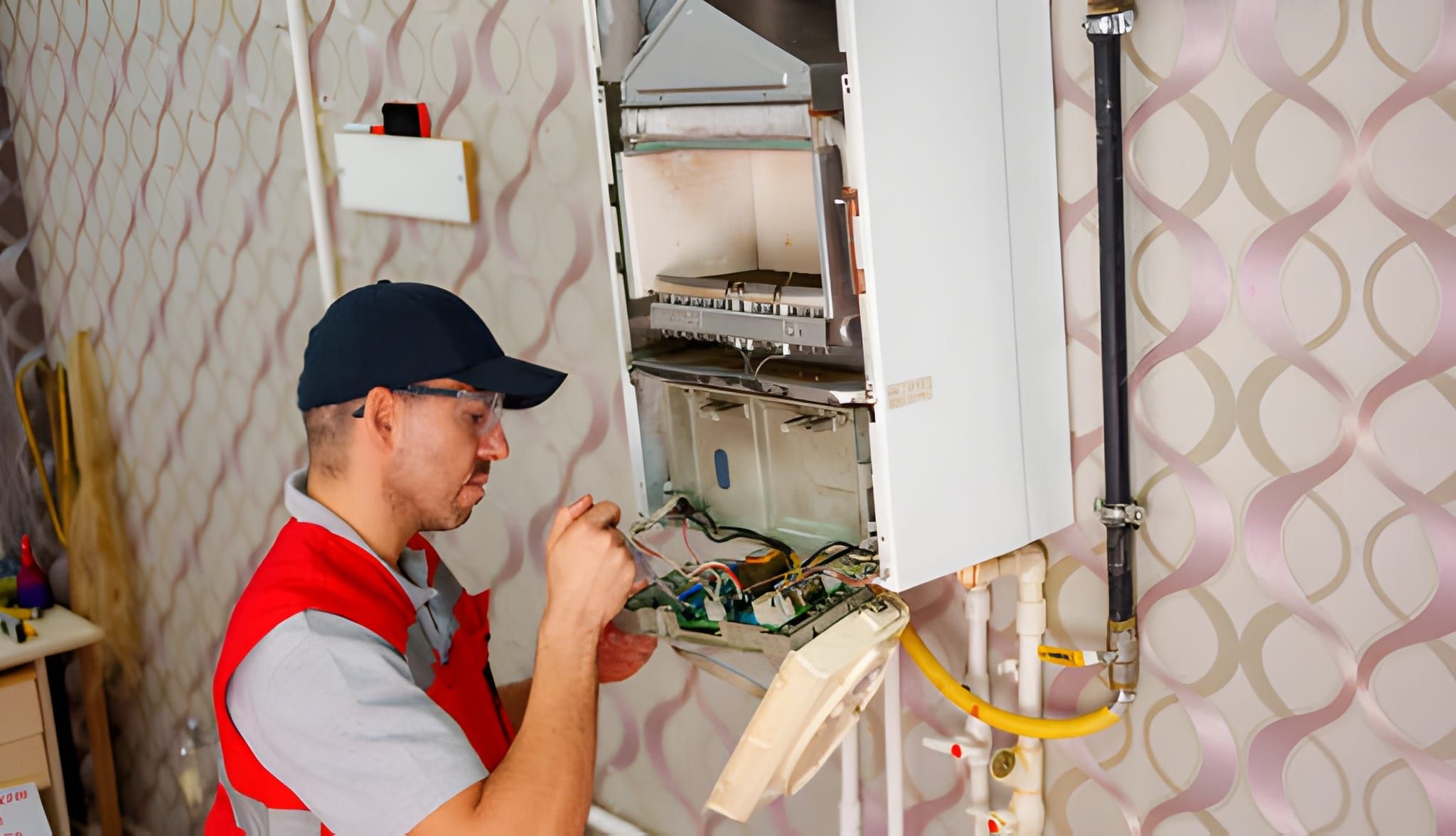
Heating Tune-up in North Hollywood, CA
Keeping your heating system tuned and safe is essential, even in North Hollywood where winters are mild compared with other parts of the country. A proper heating tune-up prevents unexpected breakdowns on cooler evenings, improves system efficiency, reduces energy bills, and protects indoor air quality in homes exposed to Valley dust and seasonal pollen. This page explains what a professional seasonal heating tune-up includes, common local issues, the diagnostic process, repair priorities, recommended frequency, and practical guidance for scheduling a service in North Hollywood, CA.
Why a heating tune-up matters in North Hollywood
North Hollywood homes face specific conditions that affect heating systems:
- Valley dust and pollen load filters and ducts faster than coastal areas, reducing airflow and forcing systems to work harder.
- Many homes are older bungalows or midcentury houses with aging ductwork, vents in attics, or compact furnaces that need closer attention.
- Mild daytime temperatures can mask problems until cooler nights reveal reduced performance or safety issues.
A tune-up addresses these local stressors by restoring safe operation, improving comfort during occasional cold snaps, and lowering monthly energy usage.
Standard heating tune-up checklist
A comprehensive heating tune-up follows a systematic inspection and maintenance list. A typical professional service includes:
- Visual inspection of the system
- Check furnace or heat pump cabinet, visible ductwork, plenum connections, and vents for damage, rust, or debris.
- Cleaning burners and heat exchanger/coils
- Remove soot and debris from burners and clean the heat exchanger or coils to ensure efficient combustion and heat transfer.
- Thermostat and controls check
- Verify thermostat calibration, setpoint accuracy, and proper communication with the furnace or heat pump.
- Ignition and pilot system testing
- Inspect electronic ignition or pilot light operation; ensure reliable ignition sequence and flame stability.
- Safety and combustion checks
- Test safety switches, limit controls, and combustion performance. For gas systems, a basic combustion analysis or CO check confirms safe operation.
- Filter inspection and replacement
- Inspect air filters and recommend or install the correct replacement. In North Hollywood, filters often need replacing after heavy pollen or dusty conditions.
- Blower motor and belt service
- Clean blower assembly, test motor operation, check belt condition and tension, and measure airflow.
- Lubrication
- Lubricate motors, bearings, and moving components where applicable to reduce friction and wear.
- Electrical connections and controls
- Tighten electrical terminals, test capacitors and relays, and inspect wiring for signs of overheating.
- Ductwork and vent inspection
- Look for disconnected ducts, leaks, excessive dust buildup, or blocked vents that restrict airflow and lower efficiency.
- Flue and venting inspection
- Ensure proper venting of exhaust gases, check for obstructions, and confirm adequate clearances for safe operation.
- Efficiency testing and system performance
- Measure temperature rises, static pressure, and overall system response; compare results to manufacturer specifications.
- Service report and prioritized recommendations
- Provide a written summary of findings, suggested repairs or replacements, and estimated timelines for attention.
Common heating issues in North Hollywood
- Clogged or undersized filters due to persistent dust and outdoor activity
- Weak airflow from dirty blower or partially blocked ducts
- Intermittent ignition or delayed furnace start due to aging controls
- Corroded or cracked heat exchangers in older gas furnaces
- Poor thermostat placement or calibration causing uneven home temperatures
- Leaky ducts that reduce system efficiency and increase energy costs
Identifying and addressing these issues during a tune-up reduces emergency repairs and improves comfort.
What the technician will diagnose and why it matters
During a tune-up, the technician performs both visual and instrumented diagnostics to identify hidden problems:
- Combustion and CO checks protect occupant safety by verifying combustion efficiency and detecting leaks.
- Electrical and control tests prevent failures caused by loose connections, failed capacitors, or worn relays.
- Airflow and duct measurements determine if restricted flow is causing short cycling or freezing of coils.
- Heat exchanger inspection looks for cracks that can vent combustion gases into living spaces.
These diagnostics not only repair current faults but also reveal wear patterns so you can plan replacements before a catastrophic failure.
Recommended tune-up frequency
- Annual tune-up before the heating season: For most North Hollywood homes, one comprehensive tune-up each year—ideally in early fall—prepares your system for cooler nights and avoids peak-season delays.
- Twice-yearly checks for older or heavily used systems: If your furnace is over 15 years old, you run frequent cycles, or you have known issues with airflow or combustion, consider a spring and fall inspection.
- Filter checks every 1 to 3 months: Because of local dust and pollen, inspect and replace filters more frequently during high-pollen seasons or if you have pets.
Regular, scheduled maintenance extends equipment life, preserves warranty eligibility, and keeps fuel and electric costs lower.
Benefits of a professional tune-up
- Improved reliability: Fewer unexpected breakdowns during cooler periods.
- Lower energy bills: Cleaner burners, coils, and proper airflow reduce fuel and electric consumption.
- Enhanced safety: Early detection of gas leaks, cracked heat exchangers, or carbon monoxide risk.
- Better indoor air quality: Clean filters, ducts, and components reduce dust and allergens circulating through the home.
- Longer equipment life: Proper lubrication, electrical checks, and preventive repairs reduce wear and tear.
- Documented maintenance history: Useful for home resale or warranty claims.
How to prepare and what to ask when scheduling a tune-up
When you arrange a seasonal tune-up, plan to:
- Choose a time before the first sustained cool period; early fall is recommended in North Hollywood.
- Clear access to the furnace, filter cabinet, and thermostat. Remove stored items from utility closets and attics where equipment is located.
- Know your filter size or have a replacement on hand if you prefer to install it yourself.
Questions to ask the service provider before the appointment:
- Does the tune-up include a combustion or carbon monoxide check for gas systems?
- Will the technician provide a written checklist and service report after completion?
- What components are inspected and which items would be billed separately if repairs are needed?
- Are technicians licensed and insured to work on gas appliances and HVAC systems?
- Is there a maintenance plan available for recurring seasonal service and prioritized scheduling?
Customer
Testimonials
Our customers consistently praise the exceptional service and professionalism of our team. They appreciate the honest advice, meticulous work, and the care taken to ensure their satisfaction.

.webp)
Service Areas
