

Heating Tune-up in Hawthorne, CA

In Hawthorne, CA, Plum HVAC heating tune-ups provide regular performance checks, crucial safety testing, and professional cleaning to boost your comfort, efficiency, and indoor air quality. We'll outline exactly what a seasonal tune-up includes, common local issues, our inspection and testing process, and help you decide whether a single visit or a maintenance plan best fits your system. We cover standard diagnostic steps, recommended frequencies, and what to expect during a professional visit, helping homeowners choose between one-time service and ongoing preventive maintenance for their home.
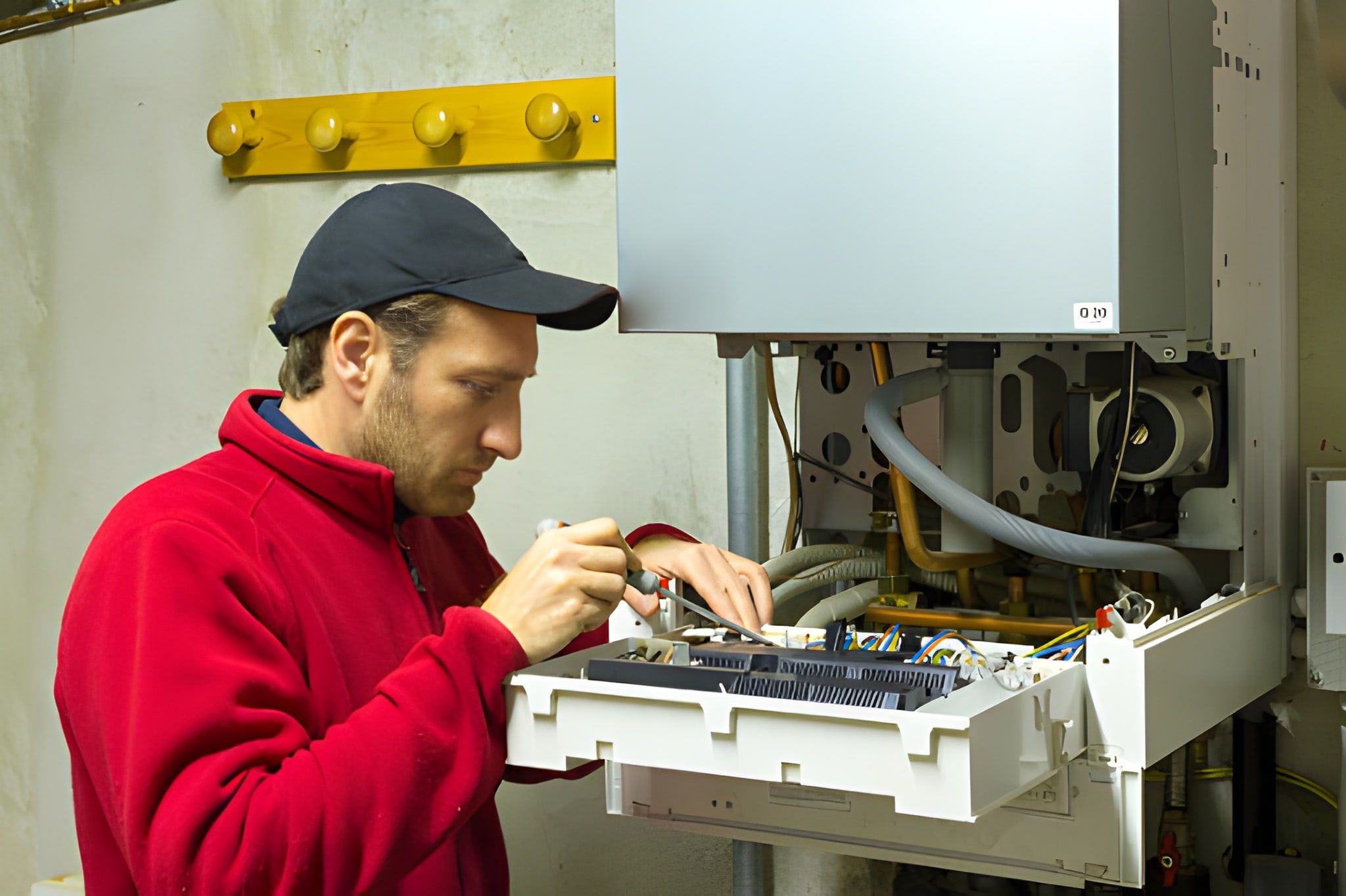
Heating Tune-up in Hawthorne, CA
Regular heating tune-ups keep your home comfortable, safe, and energy efficient. In Hawthorne, CA, where winters are mild but mornings and evenings can be chilly, a properly tuned heating system prevents unexpected breakdowns, improves indoor air quality after wildfire or vehicle-smoke events, and helps systems run efficiently through the cooler months. This page explains what a seasonal heating tune-up includes, common issues seen in Hawthorne homes, the inspection and testing process, and whether a single visit or a maintenance plan makes the most sense for your system.
Why a heating tune-up matters in Hawthorne, CA
Hawthorne experiences a coastal-influenced climate with marine layer humidity, occasional cool snaps, and increasingly frequent air-quality events from regional wildfires. Those local conditions mean:
- Filters and coils become clogged faster from fine particulates and smoke.
- Outdoor units and vents can corrode more quickly from coastal humidity and salt air.
- Mild but variable heating demand still stresses aging systems that have not been regularly serviced.
A professional tune-up restores performance, reduces energy waste, and addresses safety risks like carbon monoxide or blocked venting before they become serious.
Common heating systems and issues in Hawthorne homes
- Gas furnaces (natural gas) with standing pilot or electronic ignition: issues include dirty burners, weak ignition, cracked heat exchangers, and clogged filters.
- Heat pumps and packaged HVAC systems: seasonal refrigerant balance, compressor and reversing valve function, and defrost cycle performance matter for efficient heat mode operation.
- Older systems in mid-century homes: increased wear on motors, belts, and aging ductwork leakage.
Common tune-up issues found locally:
- Excessively dirty air filters from wildfire smoke or local dust
- Reduced airflow from clogged blower wheels or leaky ducts
- Corroded outdoor venting or flue components due to coastal humidity
- Incorrect gas pressure or inefficient combustion
- Malfunctioning safety controls and thermostat calibration drift
Standard inspection checklist
A comprehensive heating tune-up covers mechanical, electrical, combustion, and safety items. Typical inspection items include:
- Visual inspection of furnace, heat pump, or packaged unit and surrounding area
- Filter check and recommendation or replacement option
- Burner and ignition system inspection (cleaning if needed)
- Heat exchanger inspection for visible cracks, corrosion, or unusual soot
- Combustion chamber and flue inspection for proper venting
- Thermostat calibration and control wiring check
- Blower motor, wheel, bearings, and belt inspection and lubrication as applicable
- Electrical connections, capacitors, and controls testing
- Refrigerant check for heat pumps and packaged systems
- Ductwork visual inspection and airflow assessment
- Condensate drain inspection and cleaning if present
- Safety control testing including limit switches, rollout switches, and pressure switches
Cleaning and adjustment procedures
During a tune-up, technicians perform targeted cleaning and adjustments to restore safe and efficient operation:
- Replace or clean air filters and recommend correct MERV rating for indoor air quality
- Clean burners and flame sensor to ensure stable ignition and proper flame characteristics
- Remove dust and debris from blower wheel and housing to restore airflow
- Clean heat exchanger surfaces and flue passages where accessible to improve heat transfer
- Adjust gas valve and pilot or electronic ignition timing for optimal combustion
- Tighten electrical connections and test run capacitors and motors
- Clean outdoor coils and clear debris from outdoor units to prevent corrosion and airflow restriction
- Lubricate motor bearings and moving parts where serviceable
Efficiency and safety testing performed
A tune-up is not complete without measurable tests that confirm performance and safety:
- Combustion analysis and gas pressure testing for gas furnaces to verify efficient, safe combustion
- Carbon monoxide (CO) testing at the flue and in living spaces to rule out hazardous leaks
- Temperature rise measurement across the heat exchanger to confirm proper heat transfer
- Static pressure and airflow measurements to identify duct restrictions
- Electrical load and amperage checks on blower motors and compressors
- Refrigerant level checks and leak assessment for heat pumps and HVAC systems
These tests identify hidden issues that visual inspections alone miss and help prioritize repairs that will prevent breakdowns.
Recommended frequency and timing
- Annual tune-up: Recommended for most gas furnaces and heat pumps. Have service performed in the fall before sustained heating use begins.
- Twice annual checks: Consider for heat pumps (heating and cooling seasons) or homes with high indoor air pollution, heavy usage, or older systems.
- After smoke or flood exposure: Schedule an inspection if your system has been exposed to wildfire smoke or moisture intrusion; filters and components may need immediate attention.
Annual maintenance is often required to maintain manufacturer warranties and can lower lifetime operating costs.
Single visits vs. tune-up plans
- Single tune-up visit: Good for homeowners who need a one-time service before winter or to clear a specific problem. A single visit typically includes a full checklist inspection, cleaning, safety tests, and a written summary of findings and recommended repairs.
- Tune-up plans (maintenance agreements): Best for homeowners who want predictable care and budget control. Typical plan features:
- Priority scheduling during peak seasons
- Annual or semiannual inspections and cleanings
- Discounted diagnostic labor or parts for repairs
- Filter replacement programs and reminders
- Record keeping of service history to preserve warranty eligibility
Choose a plan if you prefer preventive care, live in a multioccupant residence, or have older equipment that benefits from regular oversight.
Benefits of regular heating tune-ups
- Improved comfort: More consistent temperatures and faster warm-up times.
- Better energy efficiency: Clean, calibrated systems use less energy and cost less to operate.
- Increased system longevity: Routine maintenance reduces wear and extends equipment life.
- Enhanced safety: Combustion testing and safety control checks reduce carbon monoxide and fire risks.
- Fewer emergency repairs: Preventive service uncovers problems before they lead to breakdowns.
- Healthier indoor air: Regular filter changes and coil cleaning reduce particulates and allergens, especially important after wildfire smoke events.
What to expect during a professional visit
A professional heating tune-up in Hawthorne usually takes 45 to 90 minutes depending on system complexity. Expect a thorough inspection, cleaning and adjustments as needed, testing for safety and efficiency, and a clear summary of any recommended repairs or improvements. Technicians should explain findings in plain language and document any measurements performed.
Customer
Testimonials
Our customers consistently praise the exceptional service and professionalism of our team. They appreciate the honest advice, meticulous work, and the care taken to ensure their satisfaction.

.webp)
Service Areas
