

Heating Tune-up in Cypress, CA

Keeping your home in Cypress, CA safe, efficient, and reliable is why a professional heating tune-up is so essential. At Plum HVAC, we meticulously go through a typical inspection checklist, performing all necessary cleaning procedures and safety tests to ensure your system is running perfectly—from burners and heat exchangers to ductwork and thermostat calibration. We also cover common repairs, offer handy maintenance memberships, and explain what homeowners can expect during an appointment, always emphasizing preventive care to extend your equipment's life and help you save on energy costs in our local Cypress conditions.
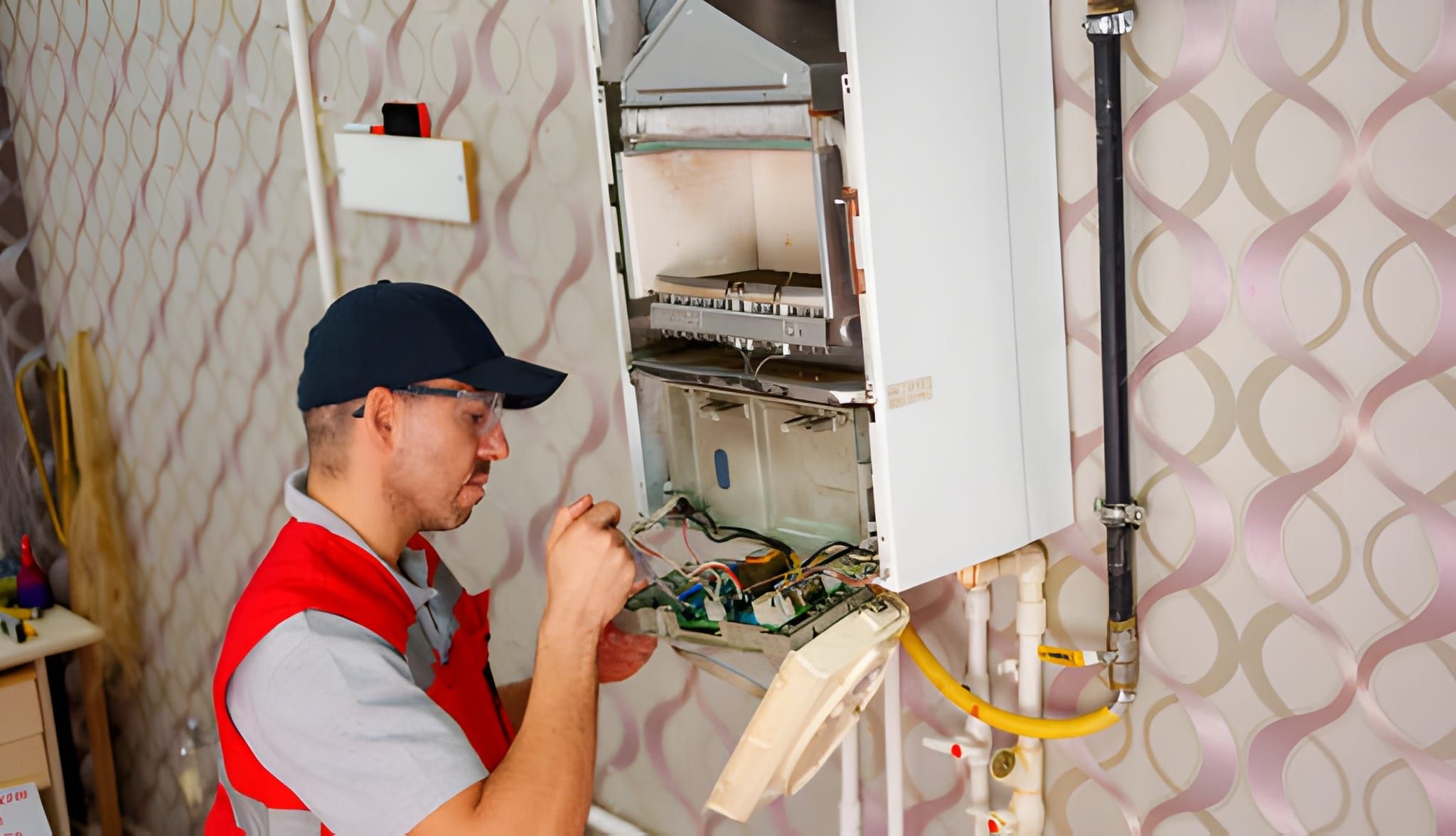
Heating Tune-up in Cypress, CA
A seasonal heating tune-up keeps your home warm, safe, and efficient when you need it most. In Cypress, CA, winters are mild but unpredictable—cool nights, occasional cold snaps, and intermittent wildfire smoke or dust mean many homeowners rely on their heating system during parts of the year. A professional heating tune-up in Cypress helps prevent breakdowns, reduces energy waste, and protects against safety hazards like carbon monoxide and heat exchanger failures.
Why a tune-up matters for Cypress homes
- Mild winters often lead homeowners to neglect annual service; that can allow small problems to grow into system failures during a cold snap.
- Regional issues such as dust, pollen, and seasonal wildfire smoke increase filter and coil loading, reducing airflow and efficiency.
- Coastal proximity and salt air in parts of Orange County can accelerate corrosion on outdoor components and venting.
- Proper maintenance extends equipment life and maintains factory efficiencies that save energy in the long run.
Common heating systems in Cypress, CA
- Gas-fired furnaces (mid- and high-efficiency)
- Heat pumps and electric forced-air systems
- Packaged rooftop units on multi-family or light commercial buildings
- Ductless mini-splits in newer or retrofitted homes
Most Cypress homes will benefit from at least one annual inspection and cleaning before the heating season begins.
Standard inspection checklist
A complete heating tune-up includes a thorough inspection of critical components and safety systems:
- Air filters: Check condition and replace or document next replacement interval.
- Burners and heat exchanger: Visual inspection for corrosion, cracks, misalignment, and proper flame characteristics.
- Ignition and pilot systems: Test electronic ignition, pilot light, flame sensor, and safety shutoffs.
- Electrical connections and controls: Tighten connections, inspect wiring, test relays and limit switches for safe operation.
- Blower assembly and motor: Inspect and clean blower wheel, check motor bearings, belts, and mounting.
- Ductwork and vents: Visual inspection for disconnected joints, obstructions, and excessive dust buildup.
- Flue and venting: Check for secure attachment, corrosion, blockages, and correct draft.
- Thermostat: Verify calibration, programming, and compatible control signals.
- Condensate system (high-efficiency units): Inspect drain lines, traps, and condensate pump operation.
Typical cleaning procedures
- Remove and clean burners, pilot assembly, flame sensor, and combustion chamber soot or debris.
- Clean or replace the air filter and clean around the filter housing to reduce recontamination.
- Clean the blower wheel and housing to restore proper airflow and reduce noise.
- Vacuum and brush accessible duct intake and return areas; recommend deeper duct cleaning if heavy contamination or smoke residue is present.
- Flush or clear condensate lines on high-efficiency units to prevent blockage and water damage.
Efficiency and safety tests performed
Technicians perform objective tests to verify performance and safety:
- Combustion analysis: Measure CO, O2, and stack temperatures on gas-fired equipment to confirm efficient combustion and safe emissions.
- Carbon monoxide test: Measure ambient CO levels near the furnace and in the return plenum to detect leaks.
- Temperature rise check: Verify the temperature increase across the heat exchanger matches manufacturer specifications.
- Airflow and static pressure: Measure supply and return airflow and static pressure to diagnose restricted ducts, clogged filters, or fan issues.
- Electrical load testing: Measure motor amperage and voltages to ensure components run within safe limits.
- System control checks: Verify safe operation of limit switches, rollout switches, and emergency shutdown systems.
These tests identify safety concerns (like a cracked heat exchanger) and efficiency losses that increase operating costs.
Common adjustments and recommended repairs
- Calibrate thermostat and program schedules for optimal comfort and economy.
- Tighten or replace loose electrical connections and worn terminals.
- Adjust gas pressure and burner alignment for stable, blue flame combustion.
- Clean or replace flame sensors, ignitors, and pilot assemblies to improve reliability.
- Seal or insulate duct leaks identified during testing to restore airflow and reduce heat loss.
- Replace aging filters with higher-MERV options when indoor air quality or wildfire smoke is a concern.
- Recommend heat exchanger repair or replacement when signs of cracking or corrosion are present.
Technicians will document required repairs and recommend priorities based on safety and system impact.
Membership and package options (what to expect)
Maintenance plans typically provide structured, recurring service rather than a one-off visit. Typical package features include:
- Seasonal tune-ups scheduled annually or semiannually for heating and cooling
- Priority scheduling for winter service calls
- Inspection checklists and written reports after each visit
- Discounted diagnostic or repair labor for members
- Filter delivery or replacement programs integrated into the plan
Memberships help homeowners budget for maintenance and ensure timely seasonal service—particularly useful in Cypress where intermittent use can hide developing issues.
Expected benefits after a professional tune-up
- Improved efficiency: Clean burners, calibrated controls, and proper airflow reduce energy use and stabilize indoor comfort.
- Greater reliability: Preventive maintenance catches worn parts before they fail during a cold night.
- Longer equipment life: Proper lubrication, cleaning, and adjustments reduce stress on mechanical components.
- Enhanced safety: Combustion and CO testing reduce the risk of hazardous exhaust or leaks.
- Better indoor air quality: Fresh filters and cleaned blower assemblies reduce dust and smoke residue circulation.
What to expect during a tune-up appointment
Appointments typically last 45–90 minutes depending on system complexity. A trained technician will:
- Review the home’s heating history and any recent symptoms
- Run through the inspection checklist and perform diagnostic tests
- Clean components accessible without disassembly
- Provide a written summary of findings with recommended next steps and urgency levels
Homeowners should ensure access to the furnace, clear the area around the unit, and note any unusual noises or performance issues to share with the technician.
Seasonal maintenance tips for Cypress homeowners
- Schedule tune-ups in early fall before significant heating demand begins.
- Replace filters more frequently during wildfire season or periods of heavy pollen/dust.
- For homes with heat pumps, consider dual-season maintenance (fall and spring) to optimize both heating and cooling modes.
- Keep outdoor intake and vent clear of debris, leaves, and lawn trimmings that can restrict flow.
- Use thermostat setback schedules to reduce runtime but avoid extended cold periods that may allow moisture buildup in ducts.
Customer
Testimonials
Our customers consistently praise the exceptional service and professionalism of our team. They appreciate the honest advice, meticulous work, and the care taken to ensure their satisfaction.

.webp)
Service Areas
